




For filmmaker Alexander Raye Pimentel, the idea behind Cyborg Recall began as a collection of “sticky note” inspirations—moments, technologies, and questions that slowly connected into a larger story about identity in a tech‑dominated future. Influenced in part by the multiverse concepts explored in Philip K. Dick’s Electric Dreams and his own experience working with early virtual‑reality projects, Pimentel built the film around a deeply human dilemma: what happens when systems begin to measure people more by data and productivity than by their humanity. Produced as a microbudget feature with a volunteer creative team and planned for distribution through Buffalo 8 and BondIt Media Capital, the project aims to be more than a film—it’s a collaborative launchpad for emerging artists and a reminder that the future of technology will ultimately reflect the values we choose to build into it.
Alexander, for readers who are just discovering your work, how did the idea for Cyborg Recall come together, and what personal or creative questions were you hoping to explore through this story?
Cyborg Recall came together through a series of inspirations that I like to think of as sticky notes. Anytime I ran into something that genuinely grabbed me – an idea, a character, a genre – I’d mentally “write” it down and set it aside. Over time, as enough of those notes accumulated, they started connecting into a bigger picture, and that picture became Cyborg Recall.
One of those notes was an episode of Amazon Prime’s Electric Dreams. I was fascinated by the idea of multiple realities, and what it does to a person when they’re forced to choose between them. Another note is something we’re all living through right now: the accelerating pace of technology and what it’s doing to our sense of humanity. I’ve been lucky to have some once-in-a-lifetime experiences, including getting to manage and develop a commercial virtual reality experience at a time when VR was still brand new for the public. Watching people from all kinds of walks of life step into that technology, and seeing how quickly it reshaped their attention, emotions, and expectations stuck with me.
But the note that really anchors the film is the feeling of being treated like a number. I’ve explored that theme before in my work, like Rattle-Can, but never at this scale. In Cyborg Recall, you feel what it’s like to be inside a system that weighs you by your “stats” and your output instead of your humanity, and I think a lot of people recognize that feeling, even if they’ve never said it out loud. Ultimately, I’m drawn to human stories that let me explore what it really means to be human – the good, the bad, and everything in between. And the question I keep coming back to is simple: Are you seeing the same thing I’m seeing, and what do you think it means for us?
At its core, the film explores identity, humanity, and what it means to be reduced to a number in an increasingly tech-driven world. Why do you think these themes feel especially urgent right now?
Our world is changing fast. In my lifetime alone, the speed of technological progress has been unreal. If I zoom out to my family history, starting with my grandfather coming to this country, the contrast is even more dramatic. That kind of advancement is incredible, but it also puts pressure on the parts of us that aren’t as evolved: the ways people can use each other, manipulate, or reduce someone to a “less-than” when it’s convenient. Human nature has real duality, and we’re all more nuanced than a headline.
These themes feel urgent because every new system we build creates consequences – intended or not. When technology moves faster than our ethics, it becomes easy to measure what’s efficient and ignore what’s human. So I think it’s essential to keep shining a light on the process: how we’re treating people, what we’re normalizing, and whether we actually agree with the direction we’re heading.
Cyborg Recall is being produced as a microbudget, under-$20k B‑movie with a volunteer-based creative team. What have you learned about collaboration, leadership, and creativity through building a feature film in this way?
Building a microbudget feature with a volunteer team has taught me that passion is real currency, but it only holds value if you protect it. When people show up with no paycheck, they’re not just donating labor, they’re handing you trust. And trust doesn’t come from big speeches. It comes from whether the set feels safe, organized, and respectful, whether people feel seen, heard, and set up to succeed.
What I’ve learned about collaboration is that the job isn’t to “direct people,” it’s to remove friction so artists can do their best work. That means having a clear plan, communicating early, and being honest about constraints before anyone spends their time. On our sets, process is a form of empathy: call sheets that don’t waste people’s day, expectations that are stated instead of assumed, and a culture where questions aren’t punished. When something shifts (and it always does) the goal isn’t to assign blame, it’s to keep everyone informed so they can adjust without chaos.
Creatively, this approach has made the work sharper. With limited resources, you don’t get to hide behind scale, you have to be intentional. You learn to listen harder, to let your DP, sound, makeup, or production design solve problems from their expertise, and to make decisions that respect the whole team. The best ideas on a project like this aren’t owned by one person; they’re earned in the room through trust and momentum.
Leadership, for me, has been about accountability in real time. If I’m asking people to volunteer their craft, then I have to be the first person to show up prepared, the first person to own a mistake, and the first person to adjust when a plan isn’t serving the team. That also means protecting the standards, not through ego, but through clarity: what we’re making, why it matters, and what “good” looks like today. When everyone knows the mission and the process, people stop feeling like helpers and start feeling like collaborators.
And the most meaningful lesson has been watching emerging artists flourish when they’re treated like professionals. When you build a set where people are respected, communicated with, and trusted to be experts – and where feedback is direct but human – you don’t just make a film. You build confidence, community, and a launchpad. That’s the part that stays with me: the idea that a feature film can be both a story on screen and an experiential learning space where people leave with stronger work, stronger skills, and a footprint they didn’t have before.
You’ve emphasized the project’s educational mission—giving artists hands-on experience and portfolio credits while partnering with local businesses and creators. Why was it important for you to structure the film around opportunity and community impact?
Over the years, I’ve had countless people tell me, “I want to work on films,” and I’ve learned that the talent is out there, yet the bottleneck is access. A lot of emerging artists aren’t missing passion, they’re missing a real door to walk through: set experience, professional expectations, and a chance to prove what they can do with a team that takes them seriously. I know what it feels like to be on the outside of the industry looking in, and I also know how one legitimate opportunity can change the entire trajectory of someone’s confidence and career.
That’s why it mattered to me to structure Cyborg Recall around opportunity and community impact. I believe in mentorship that isn’t purely transactional – not “what can you do for me,” but “how do we build something together that leaves you stronger than when you arrived.” “Leave Your Footprint” is a real operating philosophy for me. If people are donating their time and skills to tell this story, then my responsibility is to make the experience worth something: clear roles, real credits, hands-on experience, and a set culture built on respect, communication, and accountability.
Partnering with local businesses and creators fits that same mindset. I don’t want this film to be a one-off production that comes through and disappears. I want it to circulate value back into the community that makes it possible. When local brands, artists, and filmmakers rally around a project, it creates an ecosystem: people meet collaborators, build portfolios, learn professional process, and realize they’re not alone in trying to make something meaningful. That’s the kind of community I want to help build, where opportunity is designed into the work, and the impact lasts longer than the shoot.
With distribution planned through Buffalo 8 and BondIt Media Capital, a 2027 release, and proceeds benefiting nonprofits supporting education, the arts, and veteran suicide prevention, what do you ultimately hope audiences take away from this film beyond the screen?
I’m not trying to give people answers. I’m trying to get them to notice what they’ve been agreeing to without realizing it. Beyond the screen, I hope Cyborg Recall leaves people with a sharper awareness of how easily we slip into measuring human worth like data, and how quickly that can become “just the way things work” when it benefits us. I want audiences to sit with the uncomfortable truth that opting out is still a decision, and that the future is shaped as much by what we allow as what we do.
That’s also why the nonprofit proceeds matter to me. “Leave Your Footprint” is how I operate, and to me that means the story should leave something real behind, something bigger than a watch-time metric, for education, the arts, and the work of keeping people here. What does the future look like if we accept a world where people are reduced to metrics?
Links:
- IMDb: https://www.imdb.com/name/nm5403004/
- Instagram: https://www.instagram.com/filmsofpimentel/
- Facebook: https://www.facebook.com/alexrpimentel/
- LinkedIn: https://www.linkedin.com/in/alexanderrayepimentel/
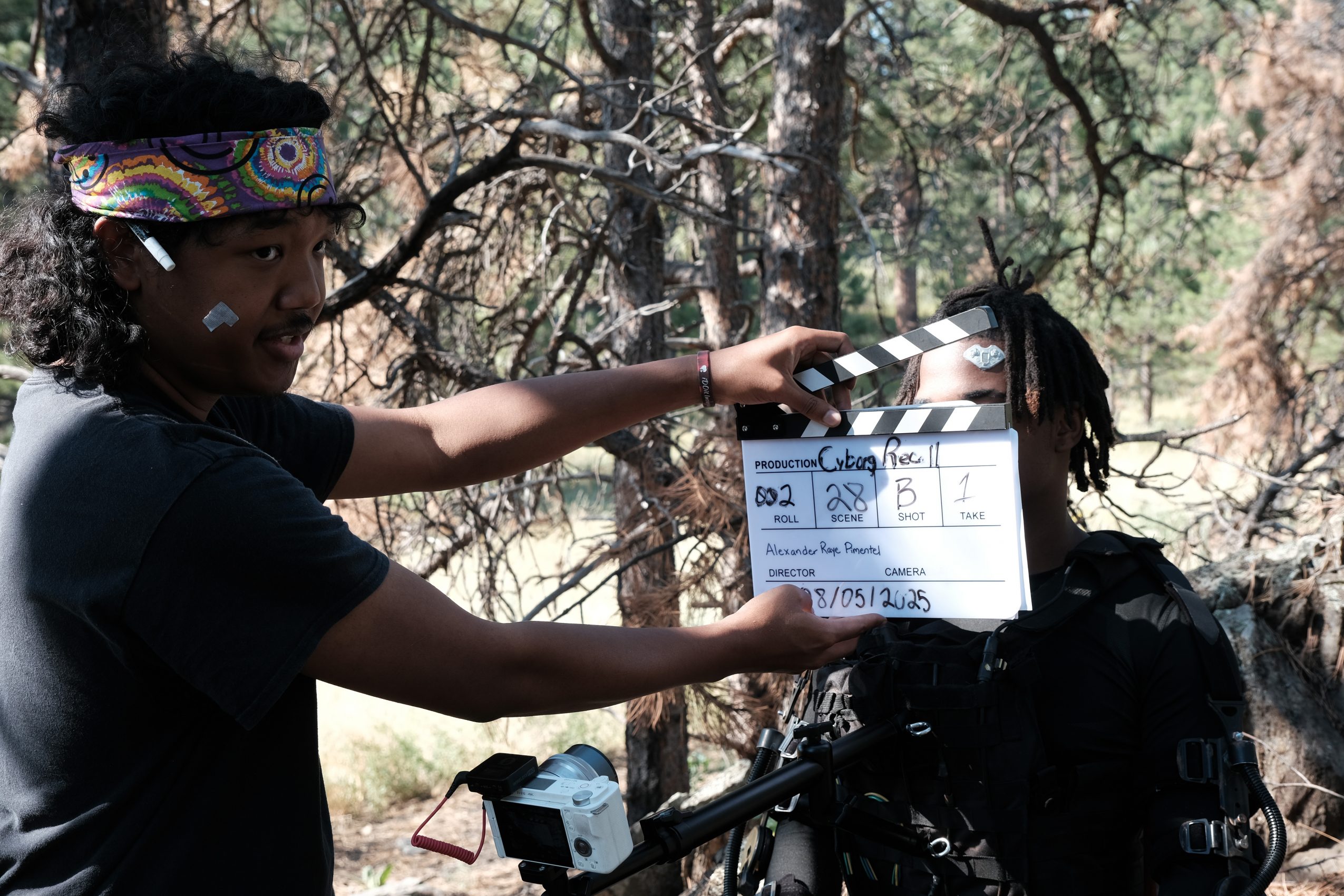
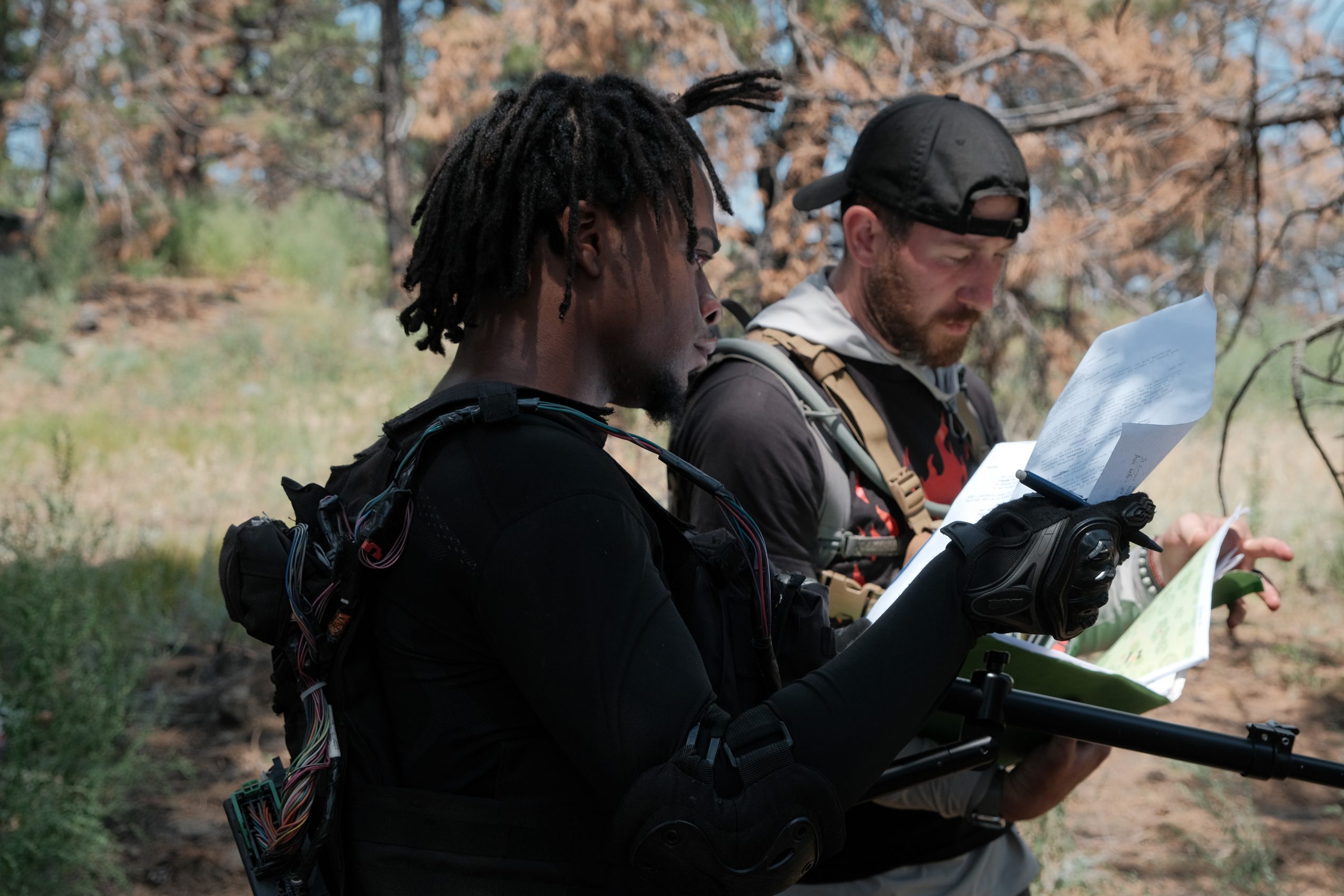
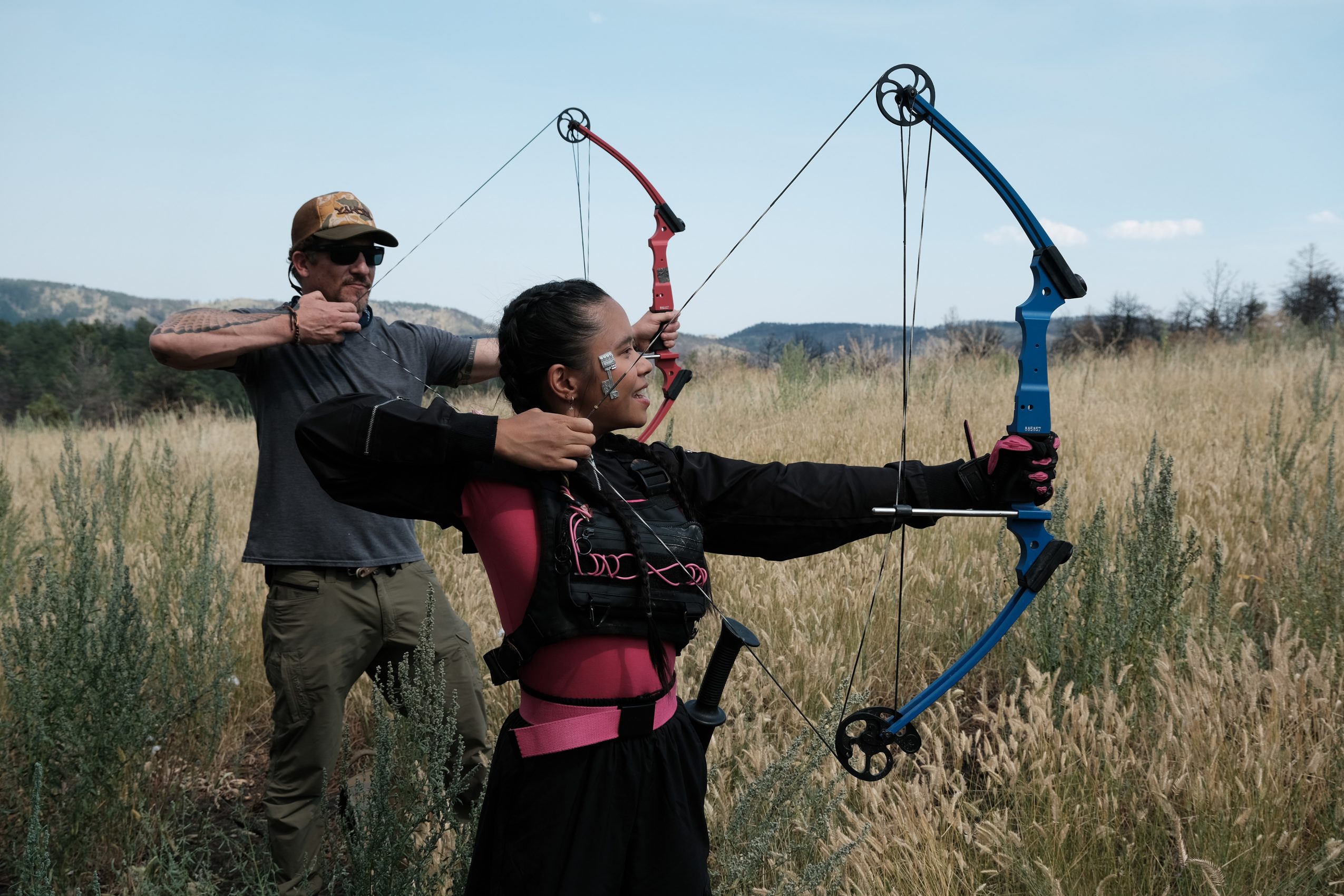
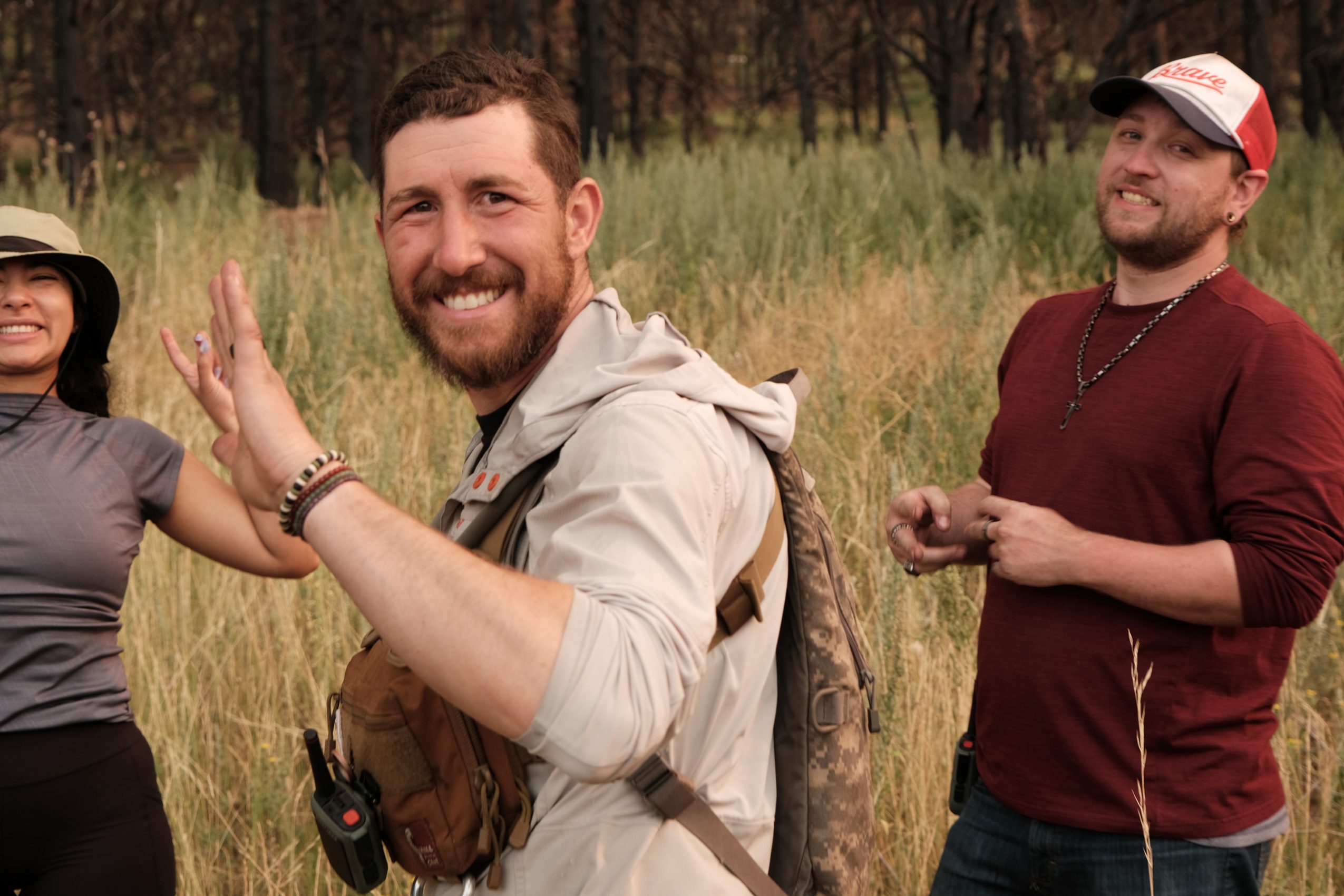
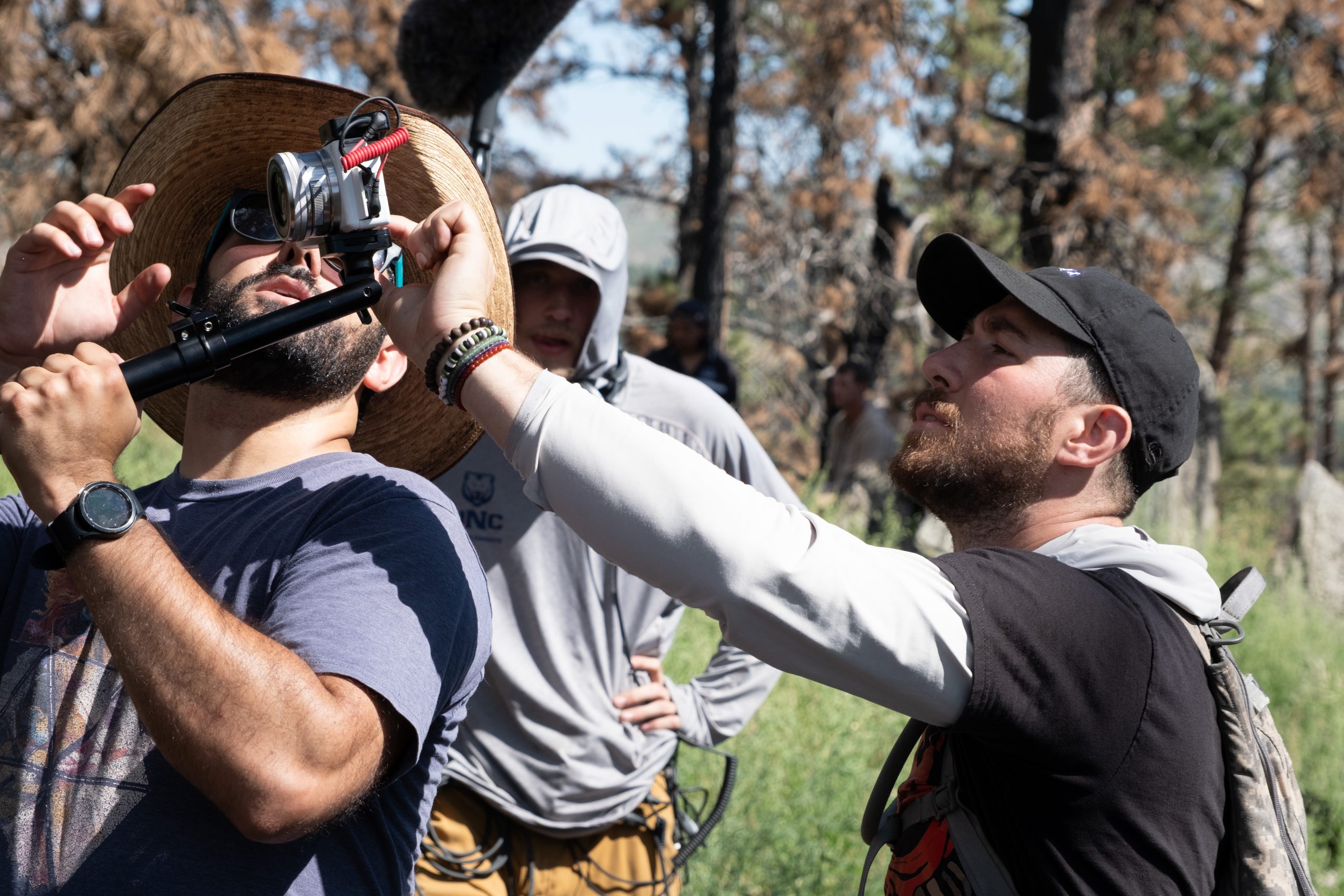
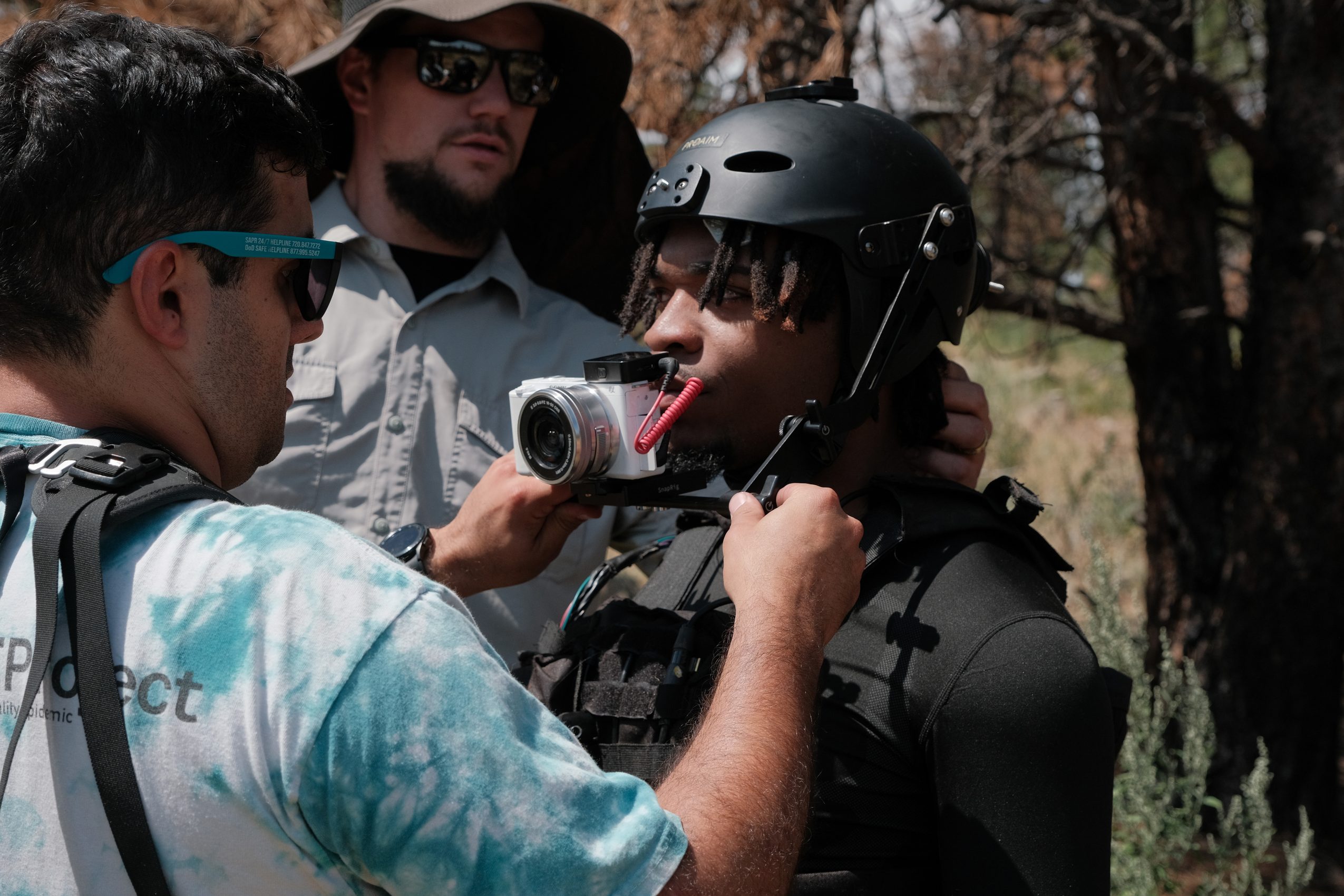
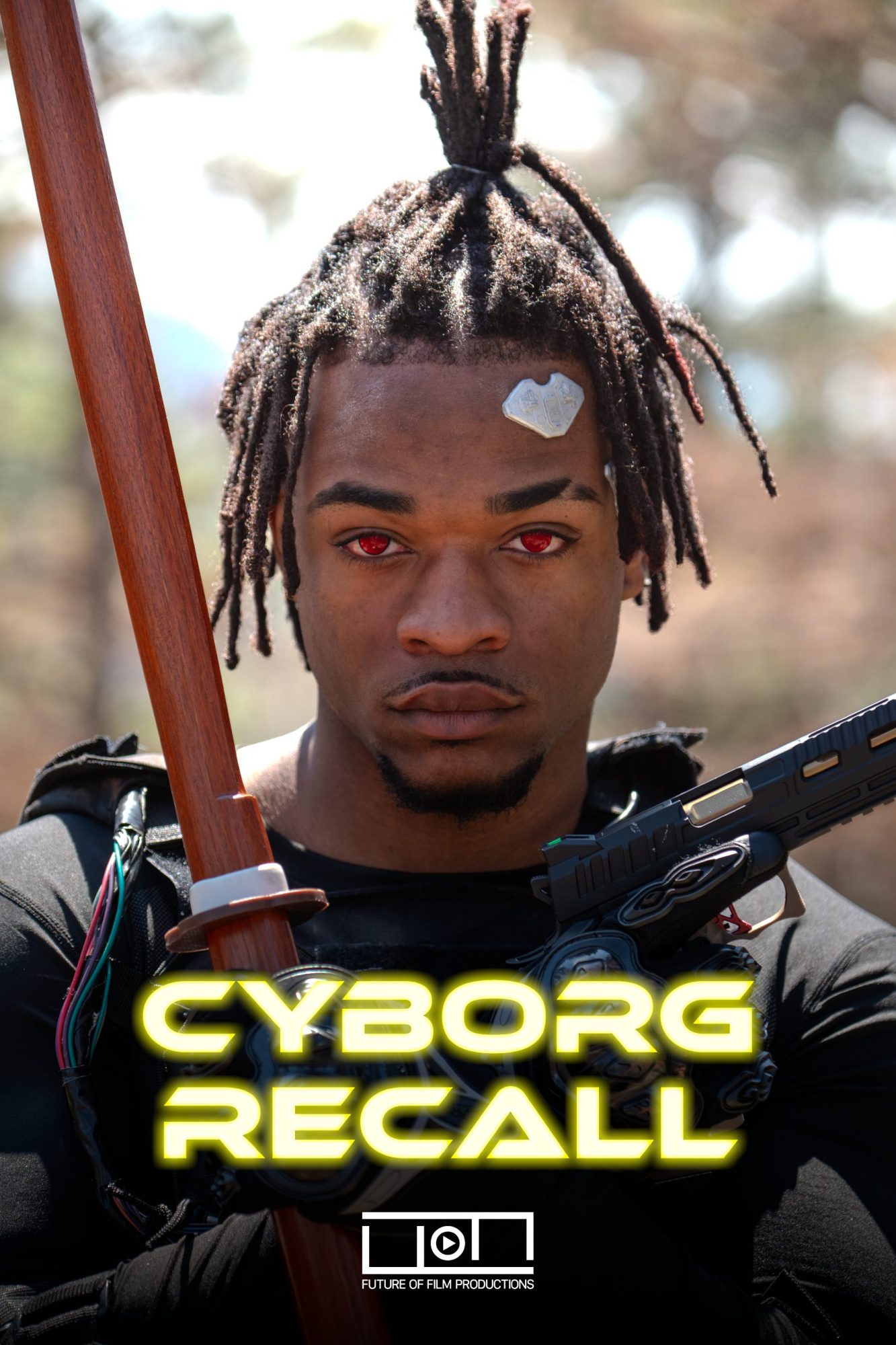
Image Credits:
CyborgRecall_BTS: John Lansford / FoF Productions, AlexanderRayePimentel_Headshot: FoF Productions, CyborgRecall_Poster_KeyArt: FoF Productions, CyborgRecall_Poster_KeyArt_VariantCover: FoF Productions
Popular
-

The Trailblazers: Rewriting the Narrative
-

Celebrating the Spotlight: Kaytee Shashore Turns Milestones Into Momentum
-

Humanity in the Machine: Alexander Raye Pimentel’s Cyborg Recall Questions the Cost of a Data‑Driven World
-

Raemi Anderson on Courage, Caution, and Answering the Call of the Landscape
-

Hidden Gems: Local Businesses & Creatives You Should Know