

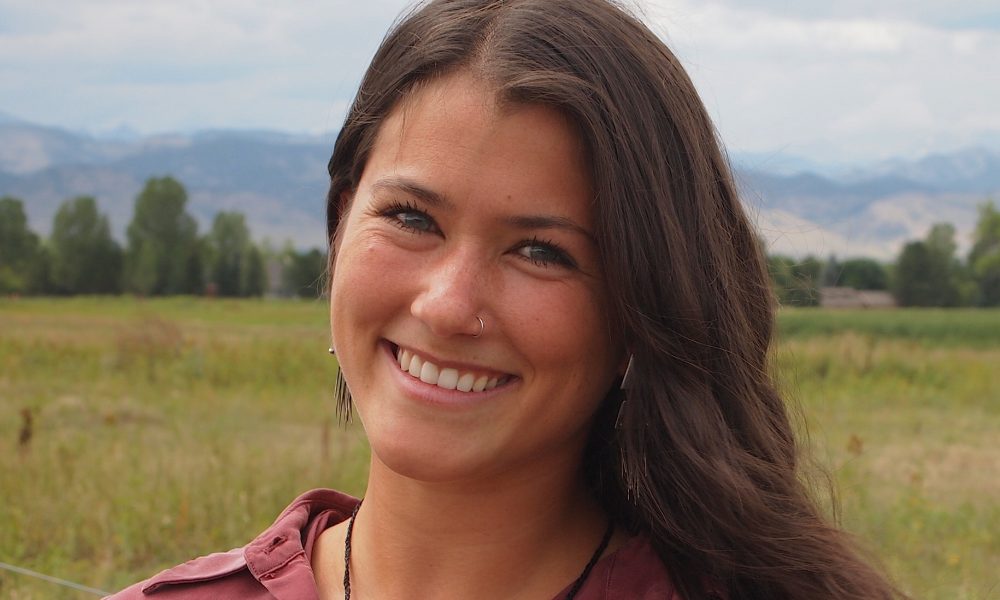
Today we’d like to introduce you to Nicole Nakamura.
Nicole, please share your story with us. How did you get to where you are today?
Becoming a therapist truly began when I was at the ripe age of 15. Like many teens, I was going through a painful time in my life and slipping into depression and isolation. I had experienced the loss of trust, control and safety in my body and didn’t know how to reach out for help. I turned to art-making as a way to process my pain and was introduced to an all-girls camp called Maui Surfer Girls. This camp showed me what connection was, how it felt to be seen by others and empowered me to express myself. This camp left an imprint and a strong pulse toward helping others find their way to their true Selves. It was as if this camp had unlocked hidden parts of myself, and I had a felt sense that others probably had areas to unlock as well.
I learned that art-making was therapeutic, that deep connection with others was hard to come by and being seen was a craving all humans shared. I found out about art therapy while looking for colleges one day and it was an instant knowing that this was what I WAS GOING TO DO. I started the master’s program at Naropa studying Transpersonal Psychology and Art Therapy in 2012. I learned about being with others suffering, my own pain and discomfort, the unknown and how to blend this into creative process. This program was a lot to digest and unraveled a lot of preconceived ideas about who I am, what an art therapist is and what healing looks like. I find that even now, I am constantly reflecting and asking myself what it means to be a therapist. I think this is a question I will always be asking and the answer will continually evolve over time.
The therapist I thought I was going to be and the therapist I am, are very different people and that was a painful lesson to learn. It took most of four years post-graduation to figure out how to maintain sustainability, how to serve clients the best and how to be okay with everything that showed up in the process. Private practice was always a long-distance goal (you know after I served 10+ years in the community?) but, I have learned that it is exactly the way I need to do it right now. I am learning more about what I am passionate about, other modalities, where I excel and where I could use some work. I could never have envisioned co-creating with teens, their parents and adults “on my own”. But here I am, helping teens find their voice and strengths while helping adults in peeling back their layers of protection to find their instinctive, true Selves. I couldn’t be more grateful for this hard, curious, connected and unique line of work!
Overall, has it been relatively smooth? If not, what were some of the struggles along the way?
It has been full of ups and downs and various barriers. Many struggles, but a few that stand out. At age 20, I was diagnosed with chronic Lyme disease. This threw a huge wrench on my whole sense of self and outlook on life. I questioned my ability to do what I felt I was supposed to do. With chronic illness, there is chronic inflammation and this impact on the body and mind had a lot to do with my struggles throughout my journey of becoming a therapist and maintaining being a therapist.
During grad school, I had some of the biggest setbacks with my health due to the influx of workload and stress. I quickly learned that I would have to decrease my stress, increase my communication and advocacy of needs in order to maintain overall wellbeing. This was always a challenge for me and is an ongoing edge I continually face. Living with chronic illness constantly tests my capacity, my beliefs of what my capacity should be and acceptance of wherever I am at.
As shared previously, the identity crisis of becoming a therapist has been one of the most painful struggles for me personally. I wanted to be this social justice warrior who worked in community mental health and save the world! (Lofty goals much?)
I dove into working with community mental health around trauma, substance use and chronic illness. I quickly learned that my body could not sustain full-time work and I had to reroute what being a therapist would look like for me. I became unemployed and groundless in what I thought my path of becoming a therapist was. During this time, I also endured a lot of loss and my health plummeted leaving me feeling even more confused on what this was all for.
As with every journey, I eventually found my footing and regained passion and excitement for the next opportunities and made my way to private practice. This brought in a lot of my own internal struggles around fear. I have learned since doing this that I am more capable than I could have ever imagined. And I am always reminded that it is okay to reach out for support and back off when I have reached my limit. I have found comfort in naming my uncertainty in the room with clients and that we get to explore the unknown together. Owning my messy human-ness has been the best part of this process!
Please tell us about Wild Instincts.
I work with adolescents and adults starting from age 14 and up. I am most passionate and excited in working in areas of trauma, depression, attachment, anxiety and substance use. I love working relationally, experientially and creatively with my clients. I am pretty organic in my process, not super structured, which, some people just don’t like and that is OKAY. In a way, I am the flowy therapist who brings excitement and compassionate honesty. Art, the body and the relationship are what I draw from in session, and this manifests differently with each person.
I specialize in art therapy which is a form of art-making combined with the therapeutic relationship. Art therapy can be utilized to enhance a positive experience or be utilized to deepen into a difficult feeling, memory or sensation and help digest that experience in a new way. I also utilize Sensorimotor Psychotherapy for working with the body’s sensations in order to process trauma and other difficult experiences. I love blending relational, creative and mindful- somatic oriented experiences into my sessions and it varies from person to person, session to session. The name Wild Instincts came from the belief and notion that we are all instinctively capable and driven towards healing. Even our adaptive strategies of coping with the hard stuff is instinctively useful. We do what we have to, to survive in this world, and I aim to support individuals in their innate wisdom and nature. It is not my job to tell you what to do or how to heal, that is your path and journey.
Often teens are brought into therapy to “fix behavior”, and I like to get underneath that and work with them emotionally and relationally. The more I get to know about how they engage, the more I can serve as a bridge to the parents in helping them communicate and understand their teen. I think teens have immense inner wisdom, but it gets lost in the midst of what parents tell them to do and be, who their peers are telling them to be and let’s add social media to the mix. What a hard time! I aim to get to the root of who that person is. This process is hard and complex and confusing for both parent and teen. There are a lot of emotions getting activated and I like to help teens trust the process of digesting those emotions.
Every 5-6 sessions, I will bring the parent(s) in and explore the relationship and communication between the teen and parent. This is not family therapy, but a rich experience to support the adolescent in their individuation and growth process. I aim to help parents be curious about the budding young adult in front of them and ideally help them connect on a deeper level of respect, support and tolerance in their differences.
How do you think the industry will change over the next decade?
Rates of suicide in adolescence is higher than ever. The cause is unknown, but there are increased rates of stress, depression, substance use, etc. As we begin to understand the impacts of technology on the developmental brain, I think we will be able to better serve our youth. Because they are so inundated with technology, I wonder if there is a way to reach more teens and increase support to them. I’m not sure that this IS a shift that will come to the industry, but my hope is that we can find ways to connect with our youth and create more resources for them. Now that there are many options like Open Path (affordable therapy), online therapy and other apps for mental health, I think it would be prudent to think about how this can be directed towards teens.
Pricing:
- $85-130.00 per hourly session
- See me on Open Path for income based fees! $30.00-$60.00 per session
Contact Info:
- Address: 1919 7th St Boulder, CO 80302
- Website: www.wildinstincts.org
- Phone: 815-703-4387
- Email: nakamuracounseling@gmail.com
- Instagram: @wildinstinctstherapy
- Facebook: https://www.facebook.com/wildinstinctstherapy/
- Other: https://www.psychologytoday.com/us/therapists/nicole-nakamura-boulder-co/314573


Suggest a story: VoyageDenver is built on recommendations from the community; it’s how we uncover hidden gems, so if you or someone you know deserves recognition please let us know here.