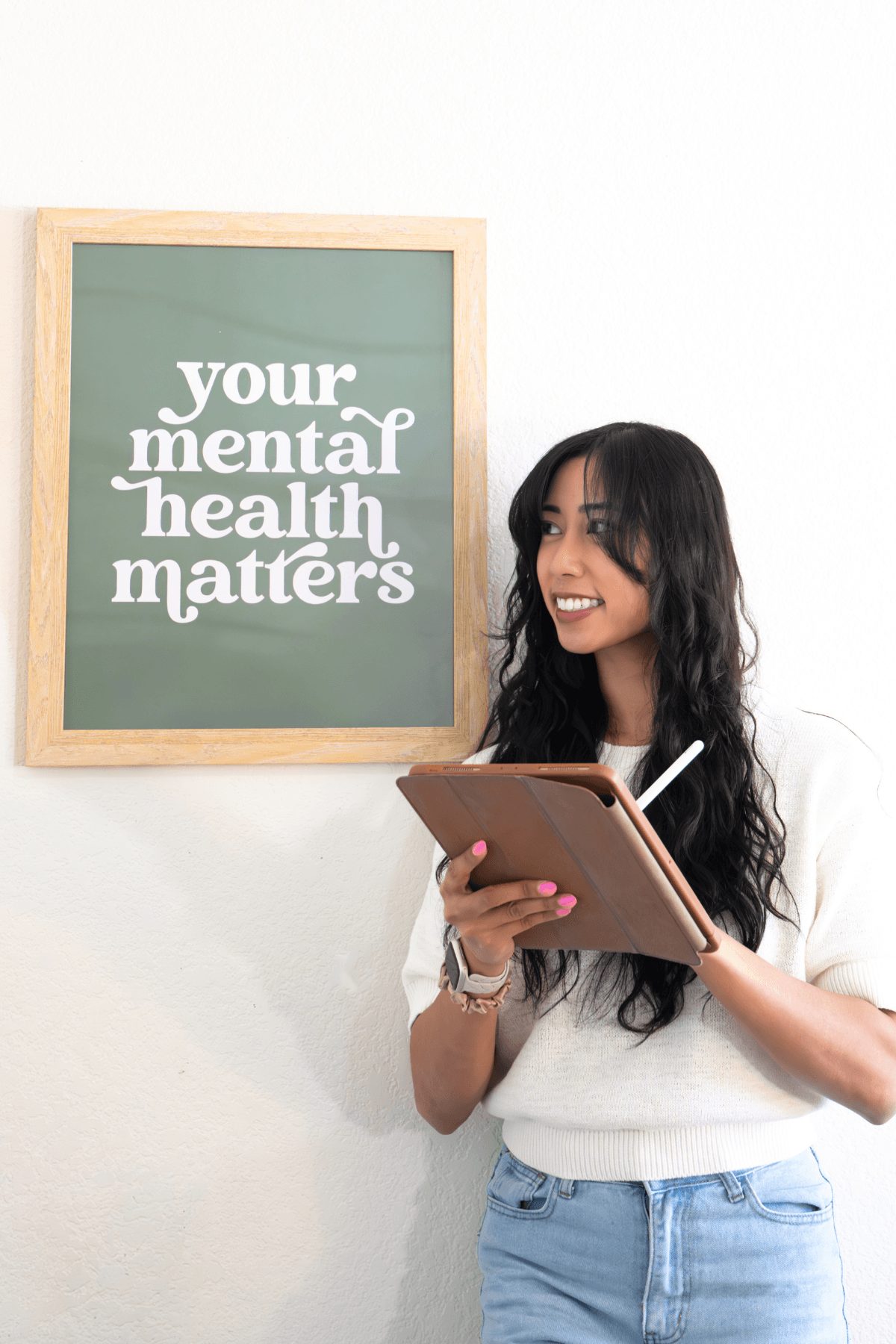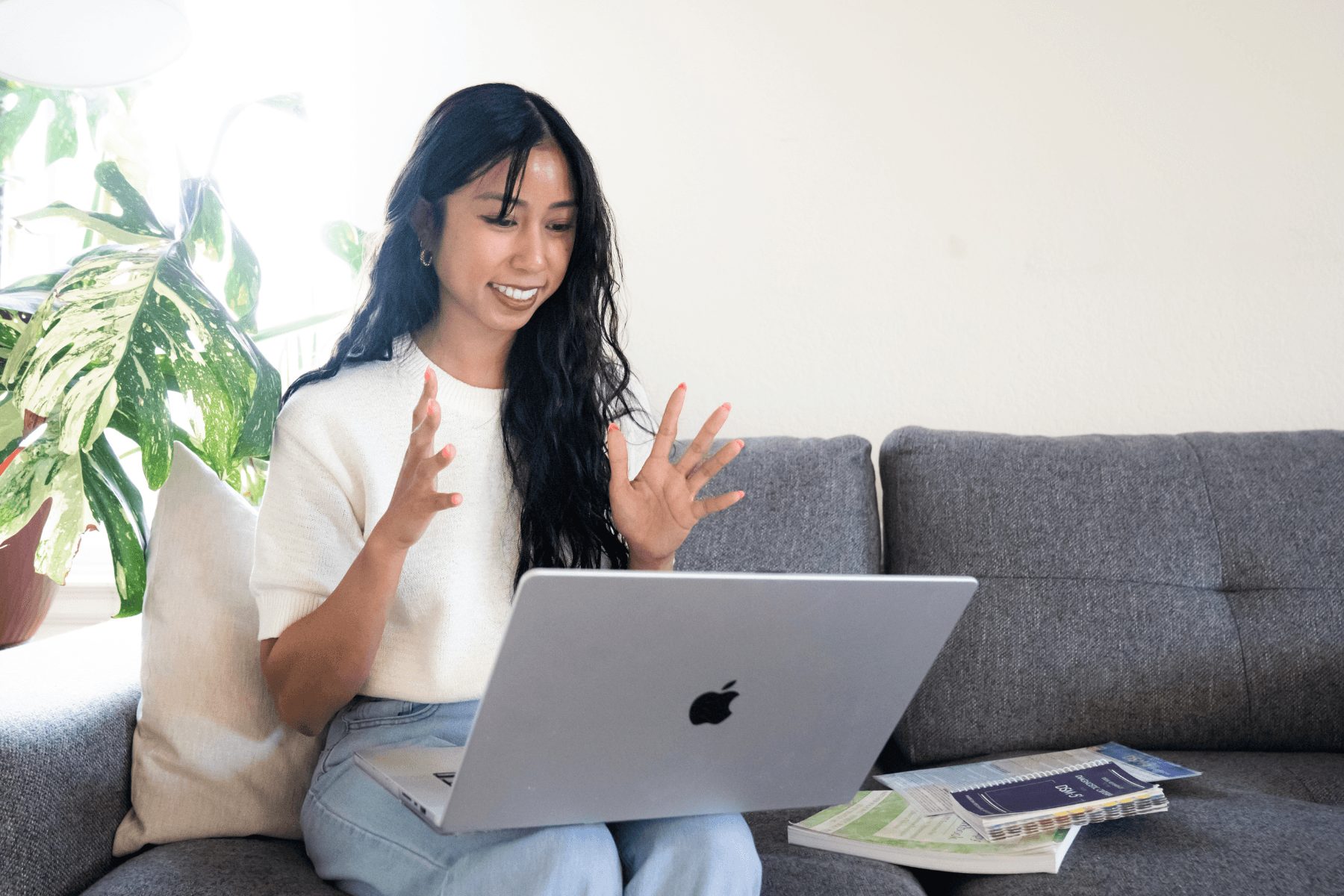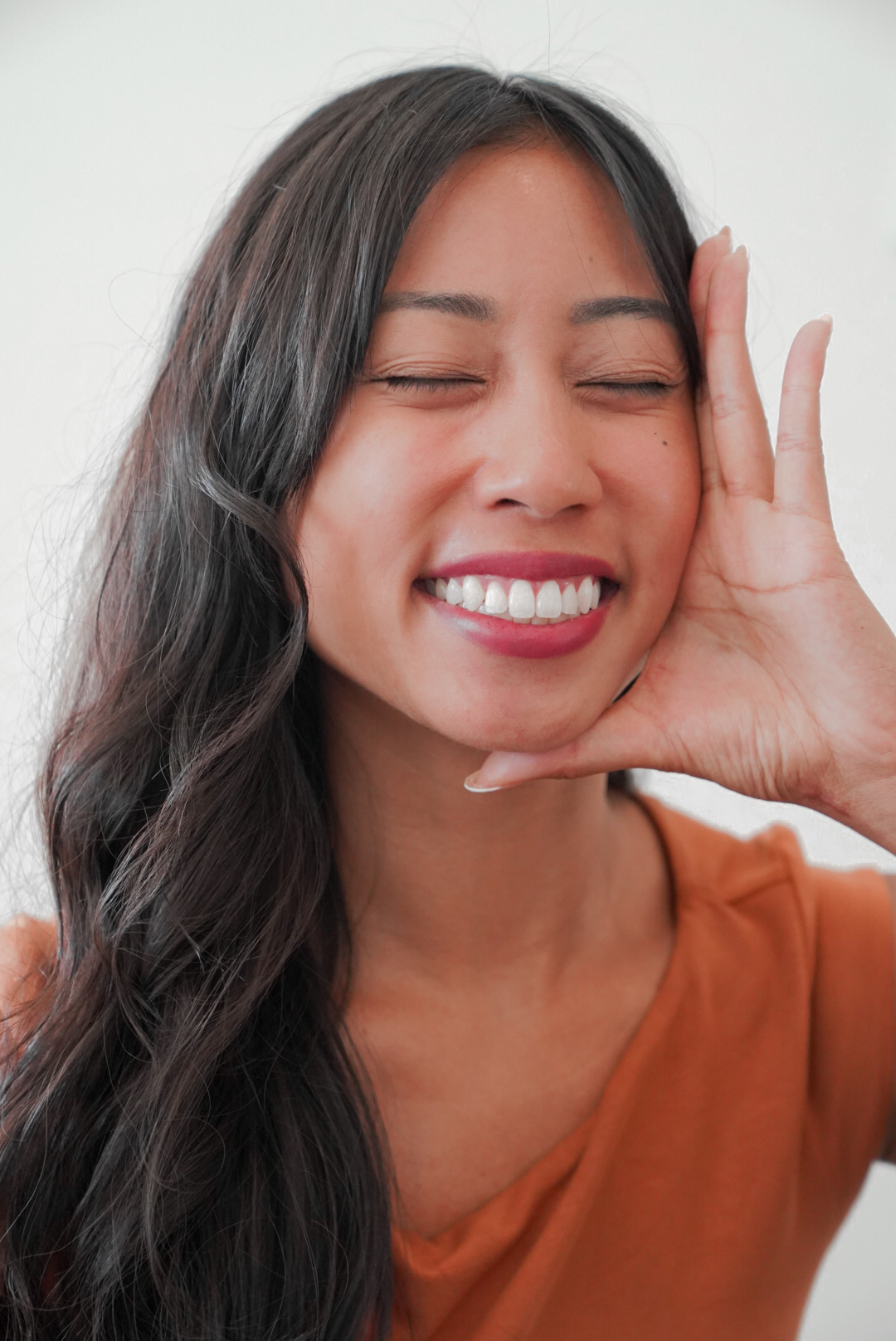


Janelle Aguilon APN, PMHNP shared their story and experiences with us recently and you can find our conversation below.
Good morning Janelle, it’s such a great way to kick off the day – I think our readers will love hearing your stories, experiences and about how you think about life and work. Let’s jump right in? What do the first 90 minutes of your day look like?
Starting my day with movement is a practice I actively maintain as it sets the tone for everything that follows. I’ve found that if I don’t work out in the morning, it’s much harder to stay consistent. I usually start with a blend of strength training, pilates, or yoga depending on what my body needs that day. After that, I head outside for a walk or jog with my dog. It’s a great way to clear my mind and soak in that endorphin boost that helps me stay energized and grounded throughout the day.
Can you briefly introduce yourself and share what makes you or your brand unique?
I’m a psychiatric nurse practitioner and the founder of Summit Together Mental Health, a virtual psychiatry private practice in Colorado that offers mental health evaluations and medication management for children and adults. I created this practice to have more independence in how I care for patients and to provide the kind of support that I believe truly makes a difference.
What sets me apart is my dual background: I’m a medical provider with prescribing expertise, but I also have an educational degree in social work. I approach each patient with both clinical insight and deep empathy. I don’t just focus on what medication someone is taking. I want to understand who they are, what they’re going through, and how we can work together to support their overall wellbeing.
Right now, I’m continuing to grow my practice and expand access to compassionate, person-centered psychiatric care.
Okay, so here’s a deep one: What’s a moment that really shaped how you see the world?
As an Asian American, I come from a background where mental health was rarely discussed and when it was, it was quickly dismissed or not seen as real. I had a natural curiosity about psychology growing up, but a turning point came when a close friend confided in me about her mother’s experience with psychosis. Seeing the profound impact it had not only on her mother, but on my friend as well, opened my eyes to how deeply mental health challenges affect individuals, but families and communities.
We’ve made a lot of progress over the years, but stigmas surrounding mental health still lingers. I’m grateful to be in a position where I can not only support others during some of the most personal and vulnerable parts of their lives, but also stand as an advocate for more open, compassionate conversations about mental health.
If you could say one kind thing to your younger self, what would it be?
I would tell my younger self: Don’t be so hard on yourself. It might sound cliché, but it’s true that progress is not linear. I never imagined I’d end up in the mental health field. Even though I minored in psychology in college, it was more out of personal curiosity than a plan to support my career. My path to where I am now hasn’t been traditional, but every detour taught me something valuable. Looking back, I’m grateful for those unexpected turns because they shaped who I am and how I show up for others today.
Sure, so let’s go deeper into your values and how you think. What important truth do very few people agree with you on?
That people can have different opinions and that doesn’t automatically make one person right and the other wrong, or make one person better and the other worse. Social media specifically has done a lot to give people a voice, which is powerful and important. But it’s also created echo chambers that constantly validate our own perspectives and make it harder to engage with differing views in real life.
I think we’ve become so focused on being right that we’ve lost sight of the fact that many topics don’t have one clear answer. I’ve experienced in my own work how much that mindset can create conflict in communication and relationships. It’s okay to agree to disagree. If we could embrace that idea to be more open-minded, I think people would feel more at peace living in alignment with their own values and without the constant pressure to prove themselves right.
Thank you so much for all of your openness so far. Maybe we can close with a future oriented question. When do you feel most at peace?
I feel most at peace when I’m with my closest friends and family. As I’ve grown older, I’ve realized that nurturing meaningful, longstanding relationships is just as healing for me as it is for the people I care about. I’ve moved around a lot throughout my life, so staying in touch with those I really care about isn’t easy. There’s something incredibly moving about reuniting with someone after a long time apart and feeling like no time has passed. Those moments of genuine connection bring me a deep sense of calm and inspiration that life is beautiful.
Contact Info:
- Website: https://www.summitmhealth.com
- Instagram: https://www.instagram.com/summit.mhealth
- Facebook: https://www.facebook.com/profile.php?id=100092438785284
- Other: Email: admin@summitmhealth.com
Phone: 720-994-4810