


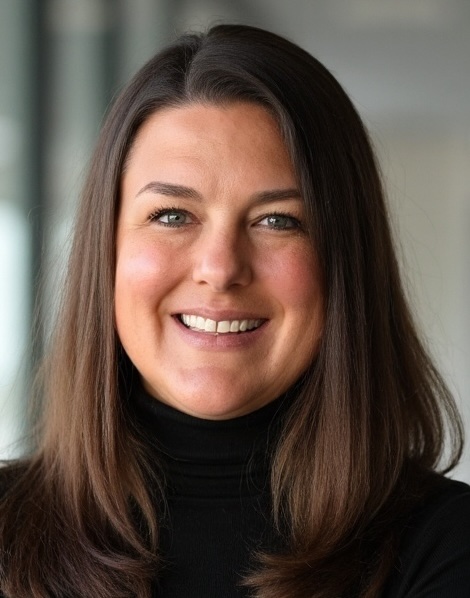
Today we’d like to introduce you to Jenna Candreia.
Hi Jenna, please kick things off for us with an introduction to yourself and your story.
I left corporate America in 2014 after realizing I needed a change. While I didn’t yet have clarity on what that new path would be, I knew I wanted my work to have deeper meaning. I took time to reflect on what the next chapter of my life could look like, personally and professionally. During that time, one of my daughters struggled with suicidal ideation, and the other came out as transgender. Those experiences opened my heart and my eyes. I immersed myself in research and began connecting with people doing the work, mental health professionals, suicide prevention advocates, doctors, and LGBTQIA+ leaders. I wanted to understand their lived experiences and gain insight into how I could truly be of service.
That journey of discovery led me to nonprofit work, and in 2019, I joined a small, struggling organization that provided free mental health therapy to young people experiencing suicidal ideation. At the time, funding was scarce, and the doors were closing. After witnessing what my daughter experienced with suicidal ideation, I was determined that no other child should ever feel that alone, and if they did, they should have the same support and resources that helped her through it. I was committed to these youth and determined to find a way forward; we needed to be serving more than 50 kiddos a year. With my background in business, I focused on stabilizing operations and building a sustainable model for growth. Over time, we created a blueprint that not only kept the organization alive but also expanded its reach and deepened its impact. By the time I transitioned out, the organization was financially stable and serving 540 kiddos a year who were working through their suicidal ideation, a milestone that brought me deep joy and pride.
Unwavering in my commitment, I dedicate my work to youth suicide prevention and the empowerment of LGBTQIA+ youth. What began as a personal journey has continued as my professional calling. Today, I serve as Executive Director of The Liv Project, where I continue this mission on a larger scale. At The Liv Project, we focus on youth-driven, creative approaches to mental health and suicide prevention, meeting young people where they are and equipping them with the tools and language they need to navigate life’s hardest conversations. Our vision moving forward is to break down barriers by offering our programs for free, especially in non-traditional and rural communities where youth often have the least access to mental health resources.
These experiences have revealed both my strengths and areas for growth, and I’ve embraced both with humility and gratitude. I’m a perpetual learner, always seeking to grow so I can better serve the communities I care about most. Because the work of supporting young people is urgent, evolving, and incredibly worth it.
Can you talk to us a bit about the challenges and lessons you’ve learned along the way. Looking back would you say it’s been easy or smooth in retrospect?
It has definitely not been a smooth road. Working in youth suicide prevention is emotionally intense and deeply challenging. I’ve met far too many families who’ve lost a child, sibling, or friend to suicide. It’s devastating. I’ve also worked closely with many young people who are grieving the loss of friends to suicide. Through those conversations, I’ve learned a difficult truth: when someone dies by suicide, their pain may end, but that pain is transferred to the people they leave behind. It lingers, and it shapes their lives.
In particular, my advocacy work with LGBTQIA+ youth has been both one of the most meaningful and most heartbreaking parts of this journey. These kids are disproportionately at risk. Many face bullying, feel unsafe at school or in their own homes, and are often unsure where they belong in society. They’re navigating a world that too often tells them they don’t fit, and that’s not just unfair, it’s dangerous.
Educating others about the realities LGBTQIA+ youth face can be difficult. Sometimes it feels like the message falls on deaf ears, especially when people are uncomfortable confronting topics like gender identity, sexuality, and suicide. But that’s exactly why I keep showing up. These young people deserve to be seen, heard, and fiercely protected.
One of the ongoing challenges in these fields is funding. Suicide, mental health, and the LGBTQIA+ community remain topics that many people are afraid to face. It makes them uncomfortable, it brings up fear, vulnerability, and even personal grief. But that discomfort is exactly why we need to keep showing up, and the work needs to be funded. These fearless conversations matter, and so do the lives behind them.
Appreciate you sharing that. What should we know about The LIV Project?
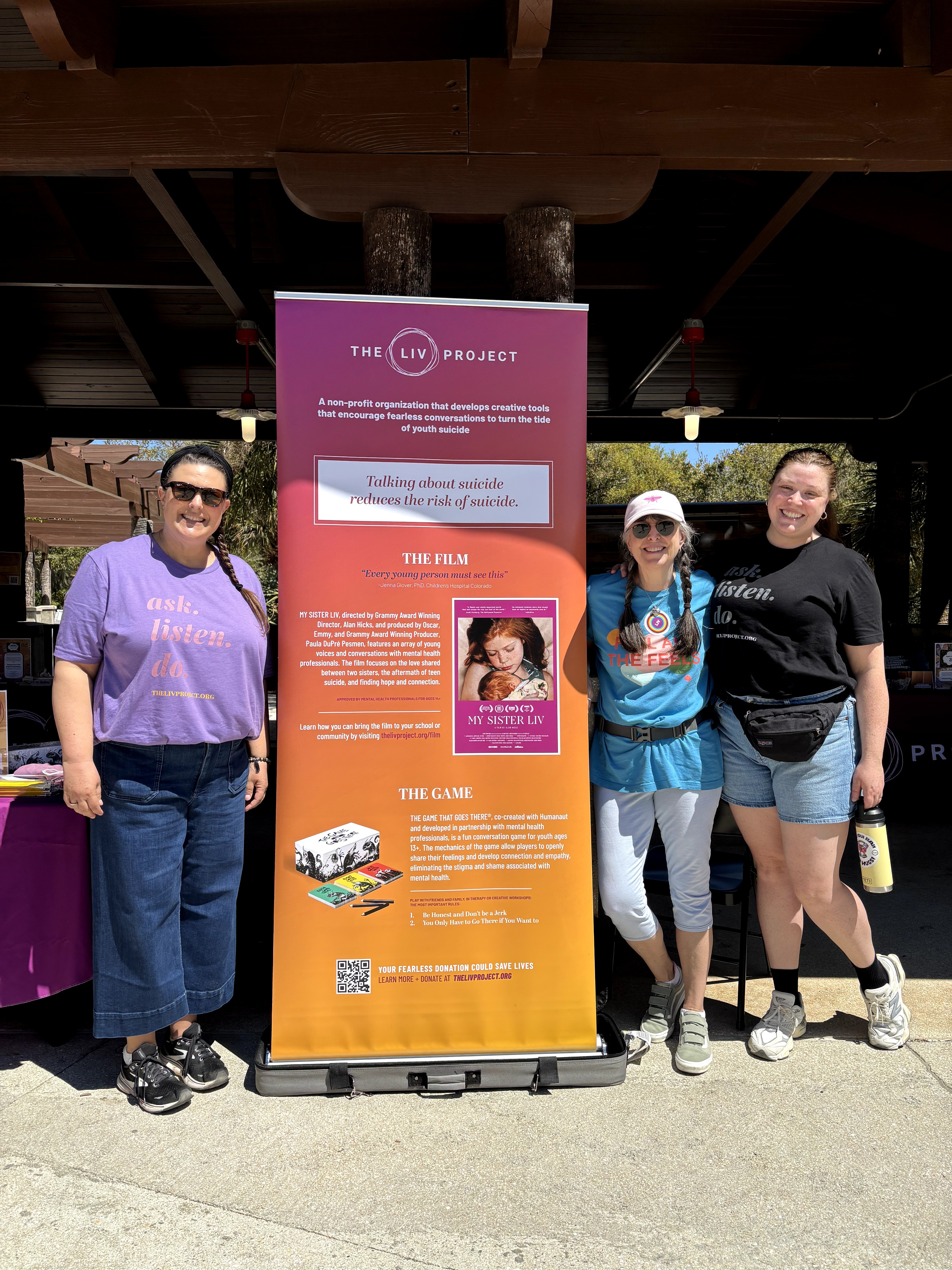
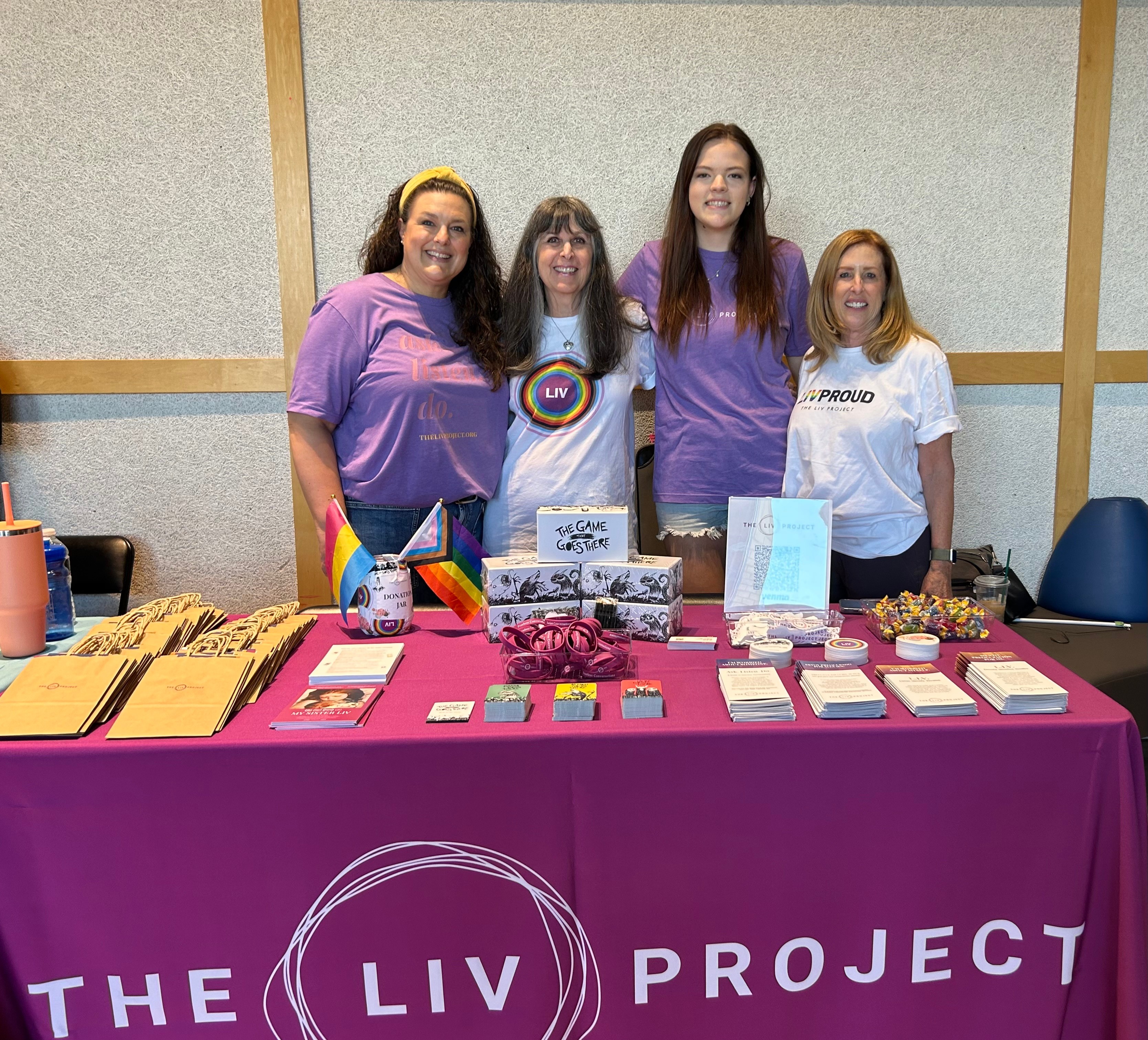
The Liv Project is a nonprofit organization fiercely dedicated to youth suicide prevention and mental health awareness. Our mission is to disrupt the silence around suicide through creative, conversation-starting tools and resources that meet young people, families, and communities exactly where they are.
What sets us apart is our use of creative storytelling and design to make the topic of suicide and the tough conversations that come with it more approachable and less stigmatized. We’re not a clinical organization; we’re a conversation-starting one. We believe that prevention starts with talking, listening, and understanding, especially when it feels hard.
Some of our signature tools include:
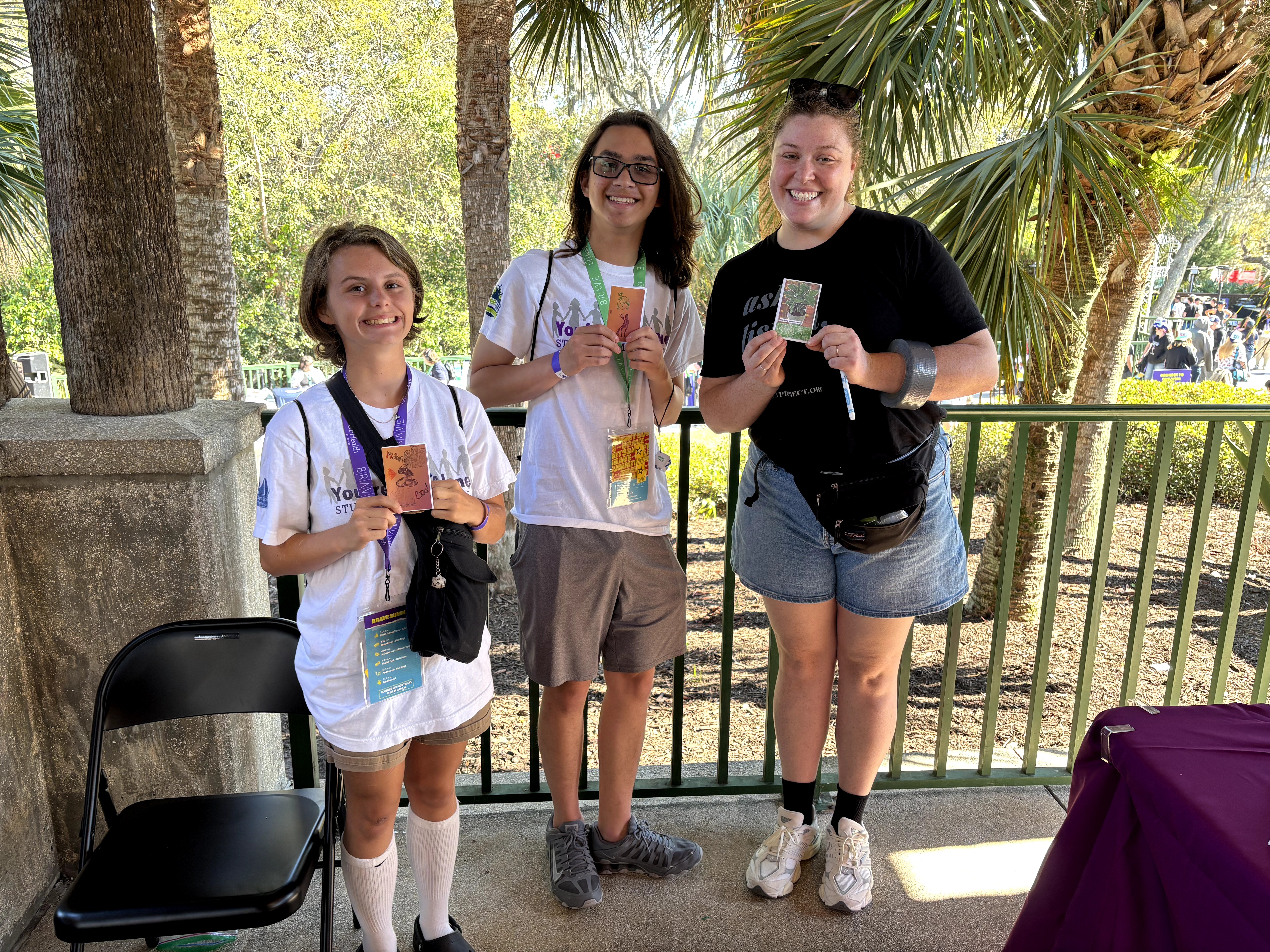
“The Game That Goes There®” – a conversation-based card game designed by youth for youth that helps spark fearless, meaningful dialogue about mental health, identity, and suicide. Two rules apply: Be Honest, Don’t Be a Jerk, and You don’t have to go there if you don’t want to
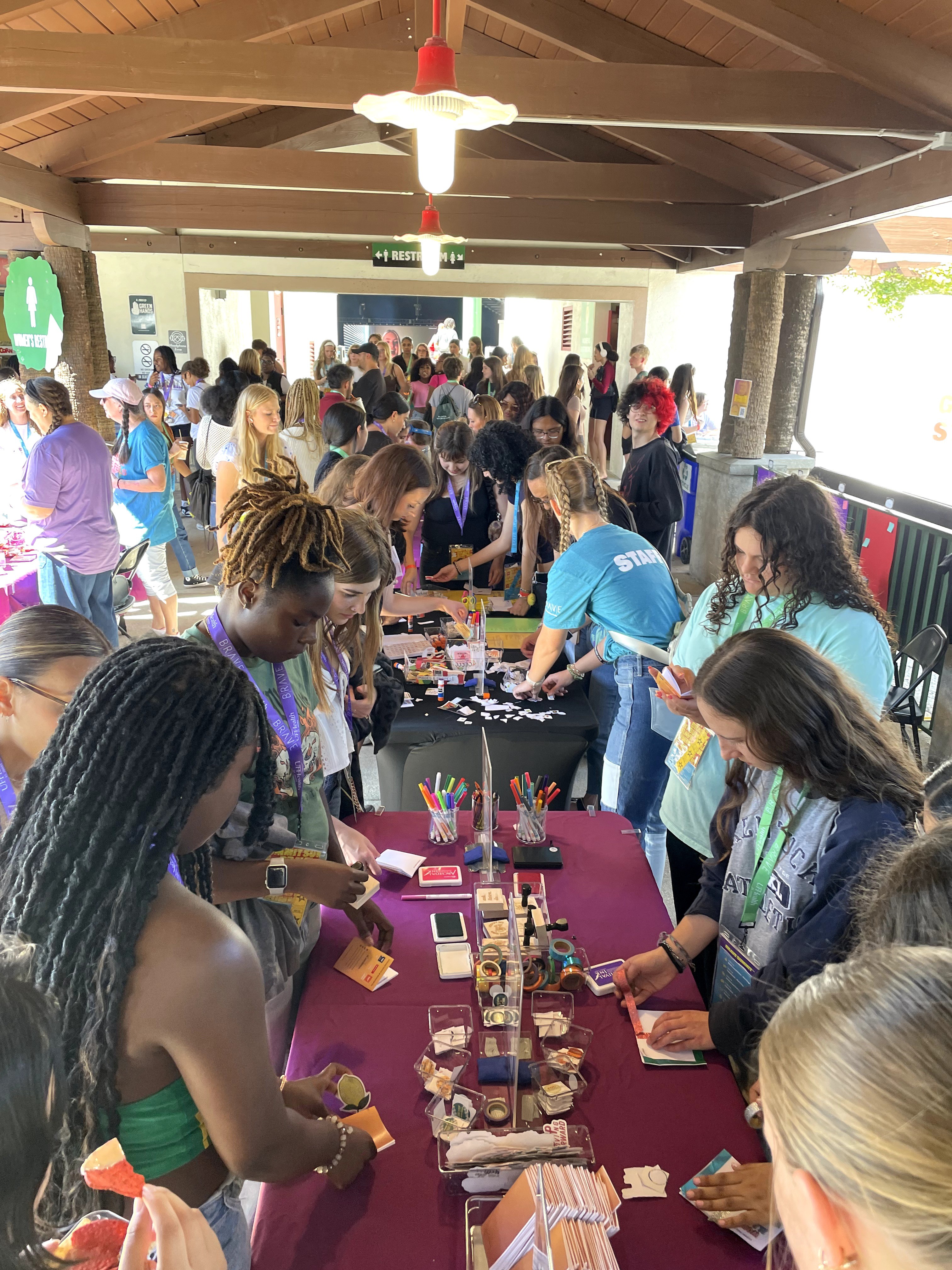
Tess Workshops – creative, youth-centered workshops that empower young people to explore mental health and emotional resilience through writing, storytelling, art, and so much more.
My Sister Liv – an award-winning and powerful documentary film and screening experience that explores suicide through the lens of one family’s story, designed to ignite open dialogue and awareness in schools, communities, and at home. It sparks fearless conversations.
Professional Development & Discussion Guides – for educators, mental health professionals, and medical providers seeking to deepen their understanding of youth suicide risk and support systems.
We are proud to center youth voice in everything we do. Our work is created with young people, not just for them. We actively listen to their stories, needs, and ideas, and we turn that into tools that spark real connection and fearless conversations.
What I’m most proud of, brand-wise, is that The Liv Project brings humanity and creativity to a space often filled with fear and silence. We’re not afraid to talk about the hard stuff, and we help others feel less afraid, too.
Ultimately, we want readers to know: You don’t have to have the perfect words, you just have to be willing to start the fearless conversation. And we’re here to help you do that. You can reach us at: hello@thelivproject.org.
If we knew you growing up, how would we have described you?
I was outgoing as a kid, always nervously talking and surrounded by friends. But looking back, I realize a lot of that energy was masking something deeper. I lived with undiagnosed depression, anxiety, and trauma throughout my childhood. I didn’t have the language for it back then, but I remember constantly feeling uneasy, overthinking everything, and worrying about things that didn’t always make sense.
Basketball had been a lifeline for me growing up. My dad put a basketball in my hands when I was in second grade, and I instantly fell in love with the game. When I was on the court, I wasn’t in my head; I was present, focused, and free. It became one of the few places I felt peace before I ever understood what was really going on inside me. I played through high school and also competed in basketball leagues outside of school. I was proud to serve as the captain of my teams, where I learned discipline, teamwork, and leadership.
That drive to lead also showed up in other areas of my life. In high school, I attended leadership camps and served on the student council. I was active, social, and seemingly thriving—but internally, I was still carrying the weight of unspoken pain.
Outside of basketball and school, I had fun riding bikes, exploring the outdoors, and spending time with friends. But now I recognize that I was also carrying a quiet struggle. That experience shaped the deep empathy I bring into my work today. I know what it feels like to look fine on the outside while wrestling with something hard on the inside, and I understand how important it is to create safe spaces where young people can show up as their full, honest, and authentic selves.
Contact Info:
- Website: https://thelivproject.org
- Instagram: https://www.instagram.com/the_liv_project/
- Facebook: https://www.facebook.com/TheLivProject/
- LinkedIn: https://www.linkedin.com/company/the-liv-project


Popular
-

The Trailblazers: Rewriting the Narrative
-

Cutting Through the Noise: How Audrey Kerchner Is Helping Businesses Beat AI Paralysis
-

Deb Matlock on Reconnecting with the “More-Than-Human World” Through Deep Listening and Nature-Based Practice
-

Denver’s Most Inspiring Stories
-

Hidden Gems: Local Businesses & Creatives You Should Know


