

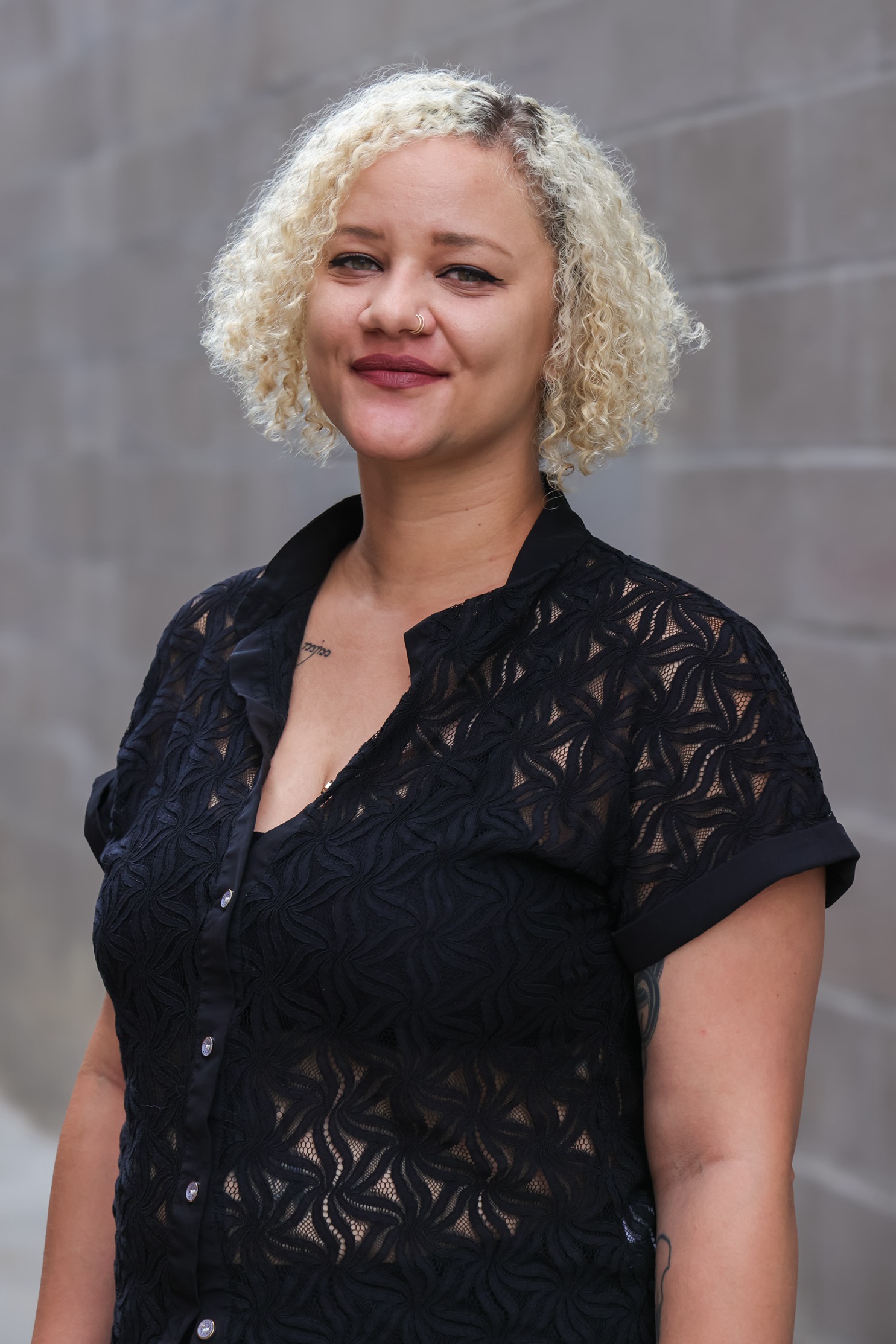
Today we’d like to introduce you to Erika Gill.
Hi Erika, we’re thrilled to have a chance to learn your story today. So, before we get into specifics, maybe you can briefly walk us through how you got to where you are today?
I’ve been a writer as long as I can remember – I think my earliest surviving short story is from when I was about 8 years old. I’ve always been creative: I also paint, do fiber arts and play music, but I always come back to writing. I started publishing when I was in college. In 2009, I won first place in my community college’s poetry contest, which was a bit of a shock to me. I had never considered myself a poet until that point. I was obsessed with fantasy and focused on fiction writing – poetry was an afterthought. Throughout college I continued to write poems and hoarded them.
Sometime in my mid twenties I had stopped feeling like an artist. Work was dragging me down, and I missed the connection the came from sharing my writing with the world, so I began submitting my work to publications. I sold my first poem in 2017, to a Denver magazine called Birdy. I still have the paper check framed on my wall. The poem is called “Stargazing at the lake” and is about the nighttime view of Sloan’s Lake and the nerves of a new relationship.
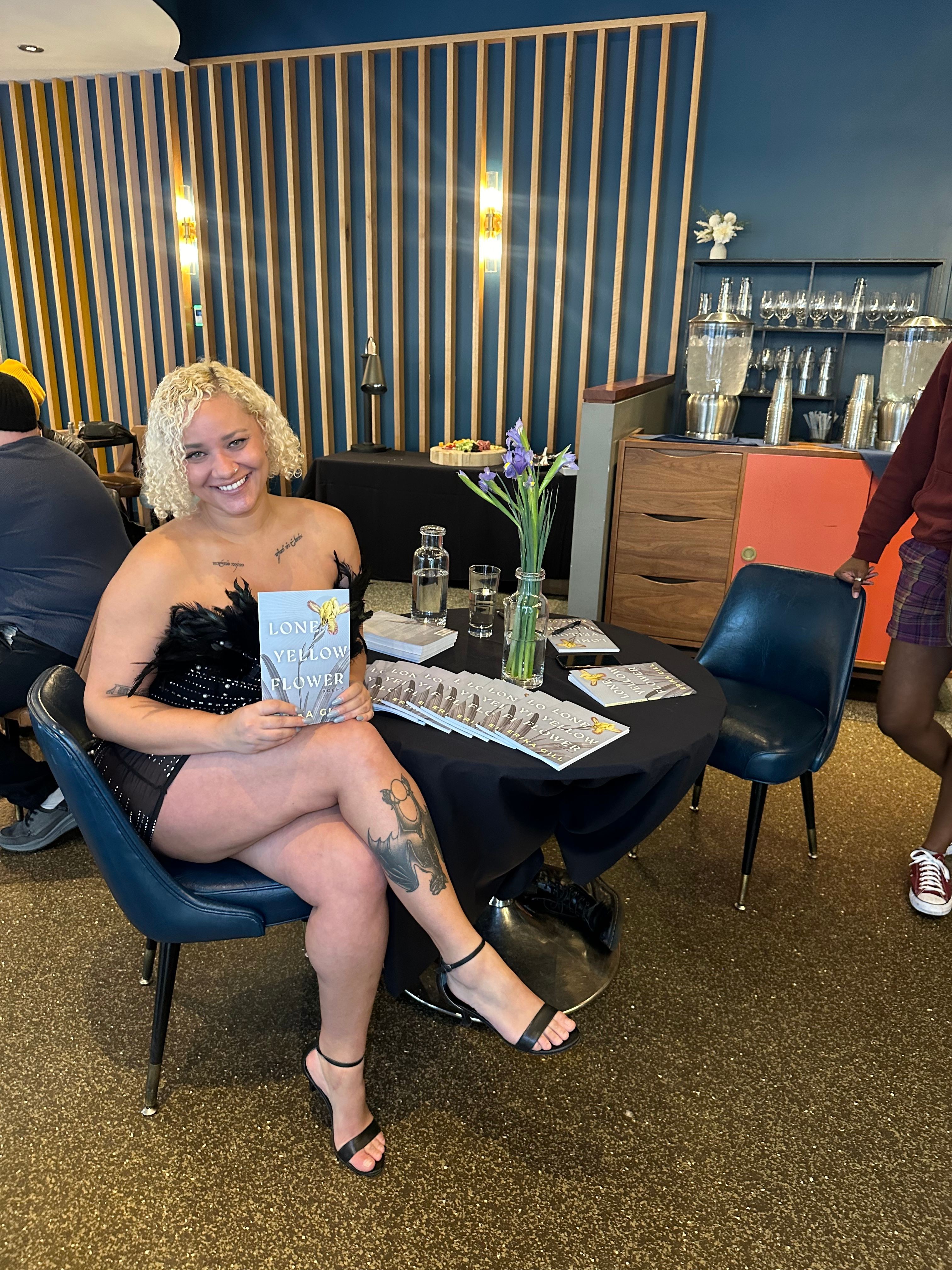
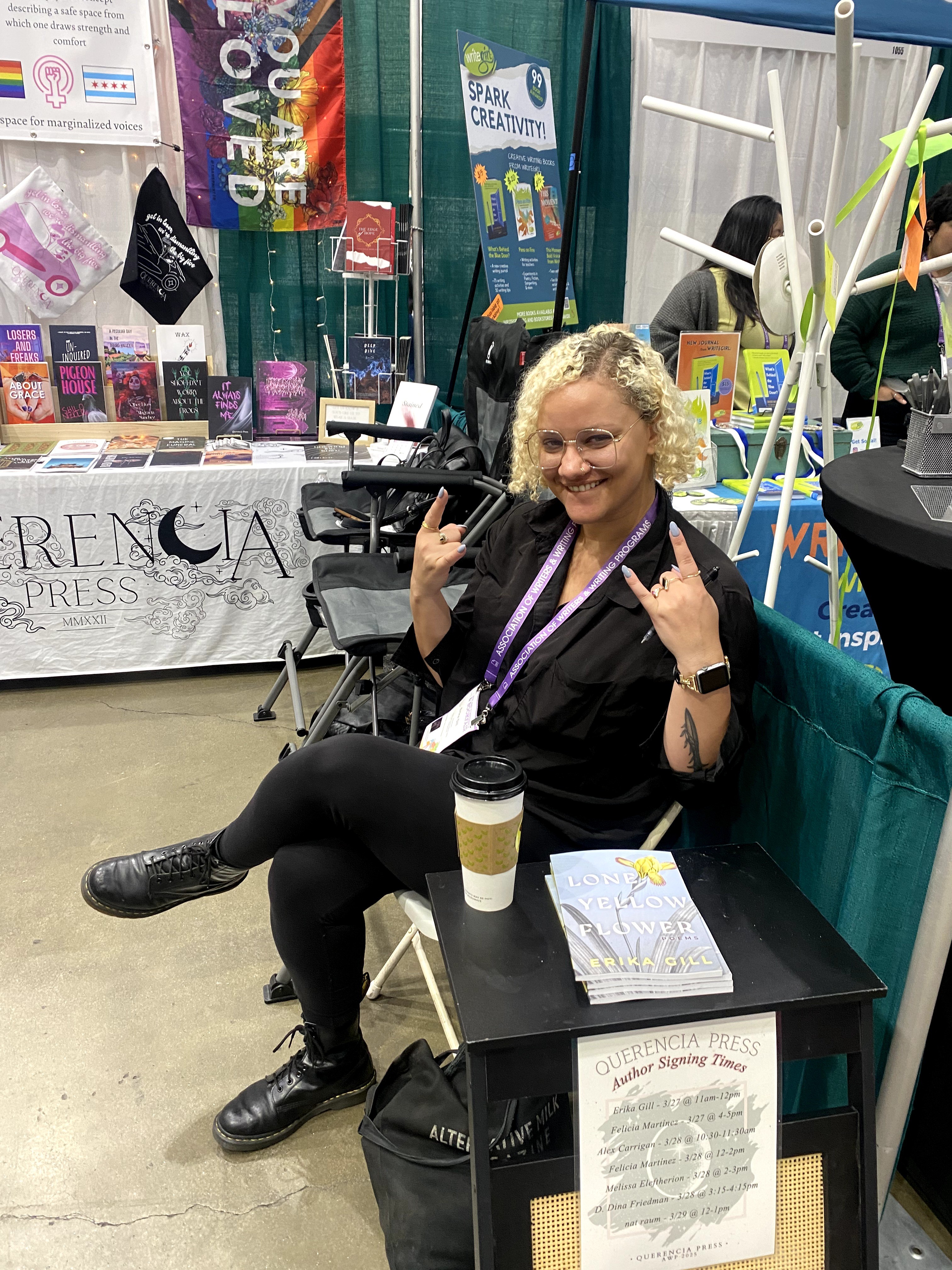
In 2021 I began submitting what would become my debut poetry collection: Lone Yellow Flower. The title comes from horsewoman Brianna Noble’s statement to KQED during the Black Lives Matter protests in 2020: “Everywhere I go, it’s like I’m the one yellow flower among the field of red roses, you know?”. I did know. It was a feeling I’d spent most of my life writing about as a biracial Black femme-presenting person. Many of the poems in the collection are about racism, systemic injustice, and joy as resistance.
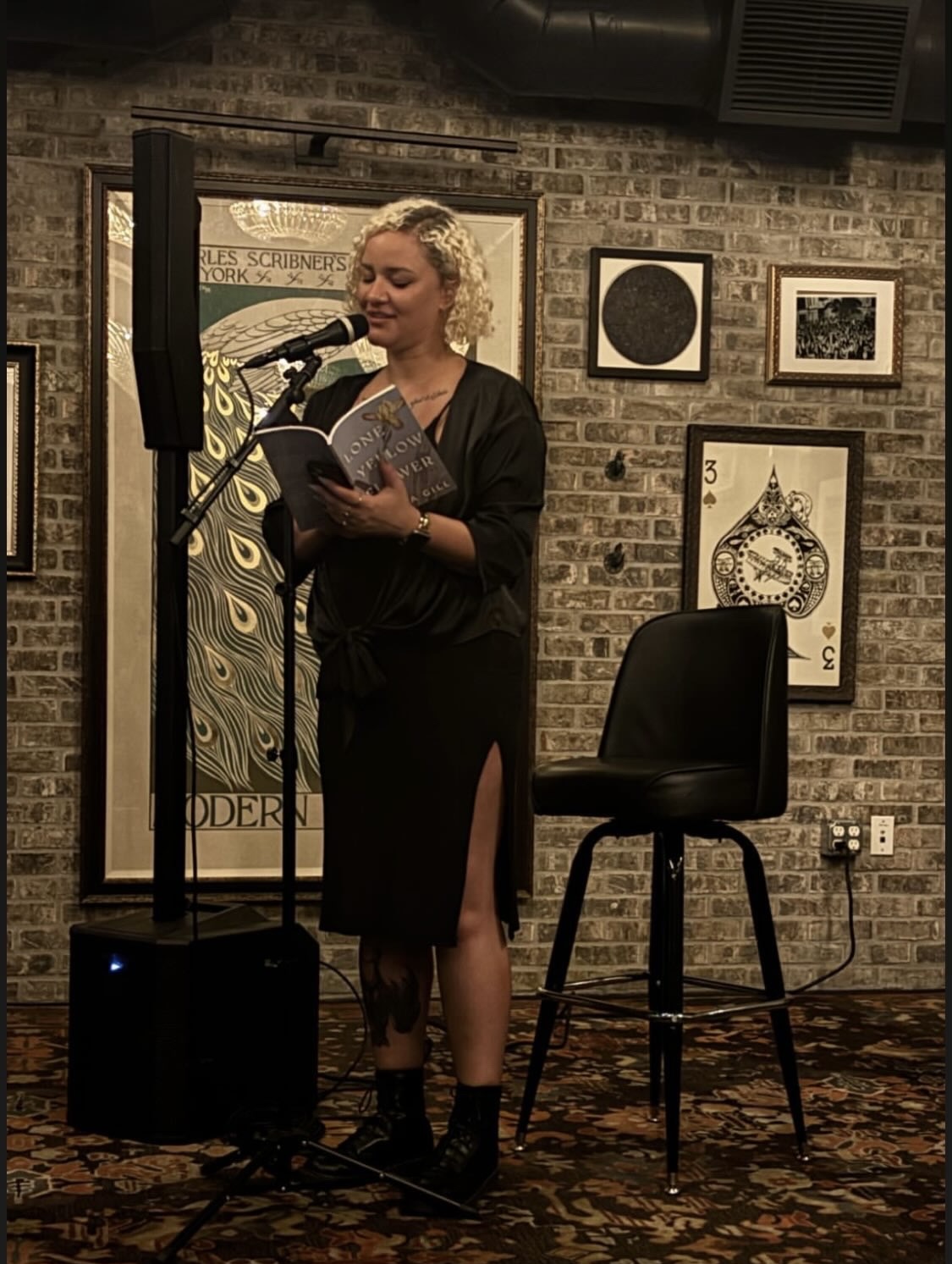
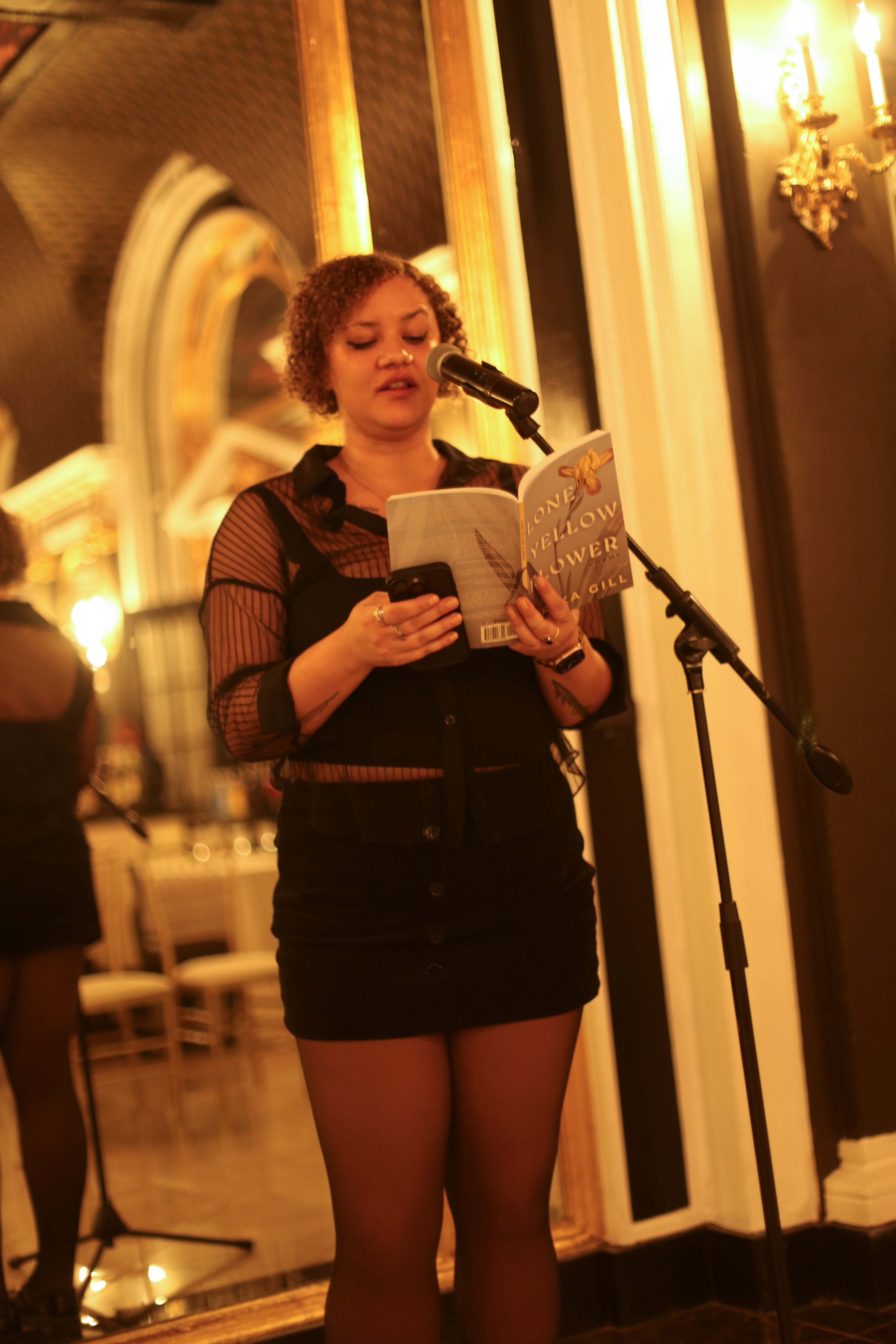
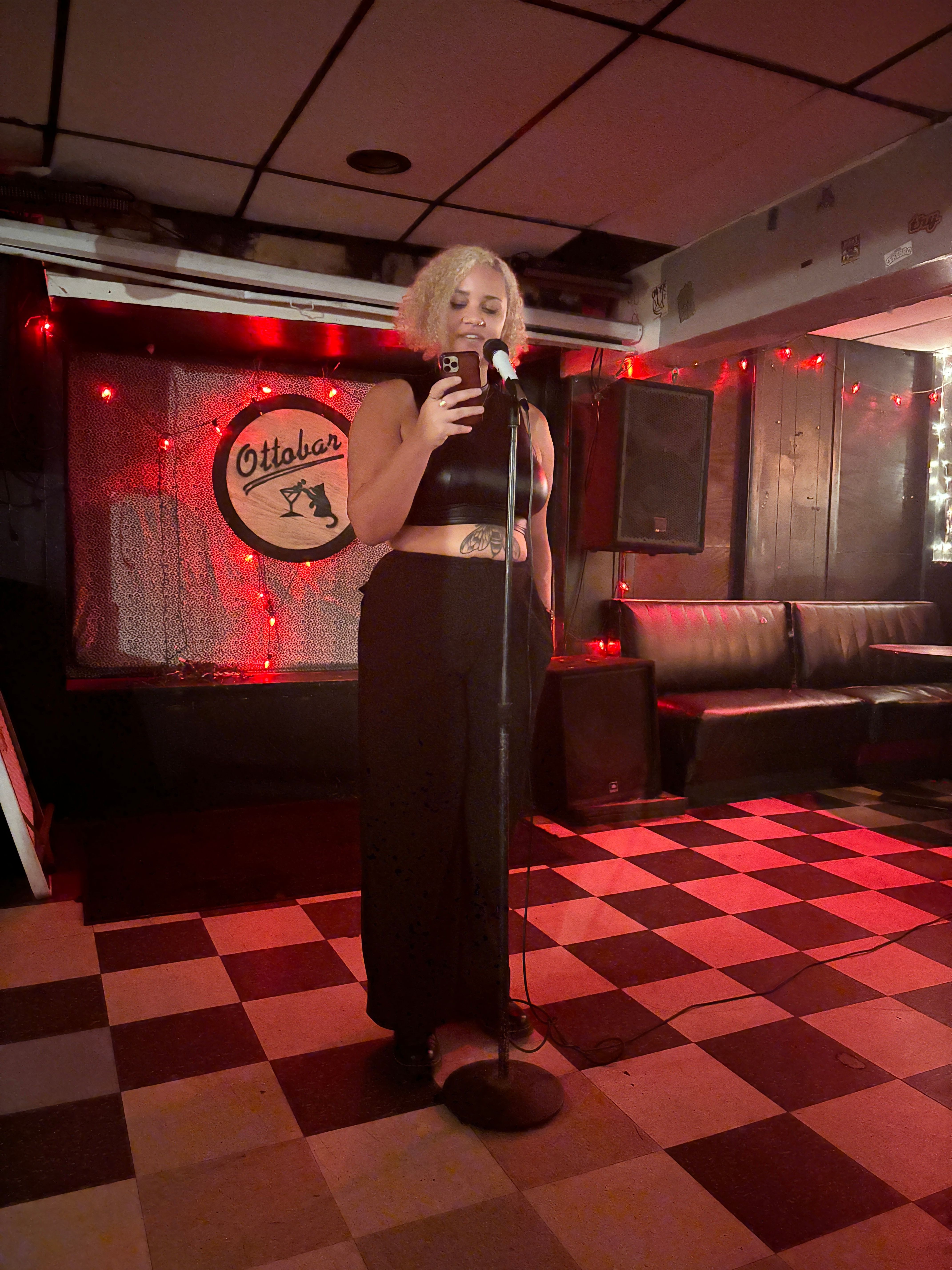
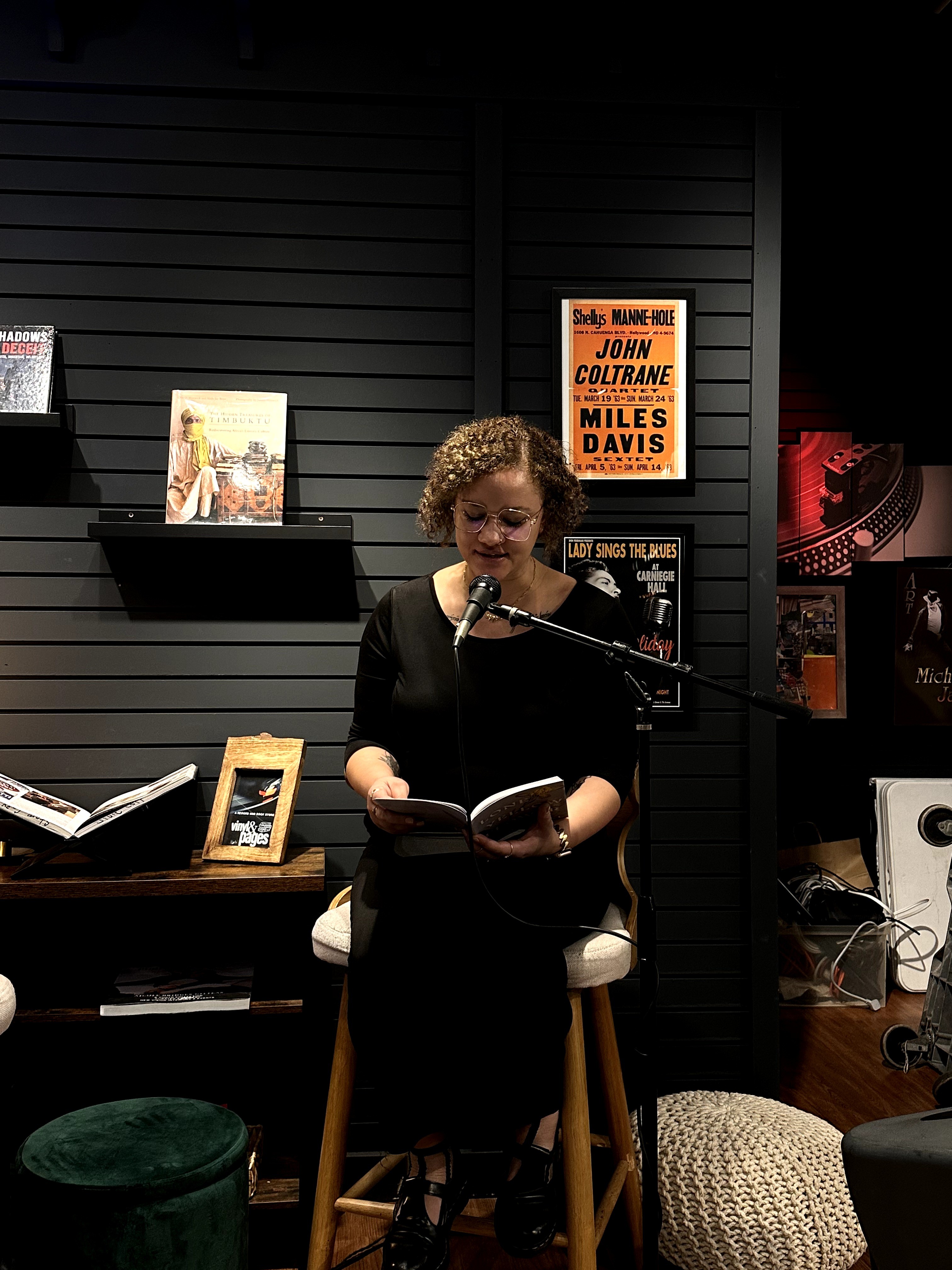
Lone Yellow Flower was published in April of 2025 by a small independent press out of Chicago called Querencia. The achievement still feels somewhat unreal, even though I have another completed collection of poetry in the barrel. Since its publication, I’ve been able to travel around the US reading from the book to big and small audiences. The connections I’ve made to readers and fellow writers is one of the most fulfilling results of this endeavor, I wouldn’t trade it for the world.
I’m sure it wasn’t obstacle-free, but would you say the journey has been fairly smooth so far?
The road has definitely not been smooth. Writing is subjective, and rejection is an integral part of the process. In addition, finding your own voice and writing for yourself is a big part of how one develops as an artist,
I am a classic example of an adult who was a child in the “gifted and talented” program at school. I was lauded and encouraged to reach for the stars, and then right around puberty I found myself encountering challenges I had never experienced, as well as a larger pool of kids who were just as smart as I was. It is disorienting, especially during the time in your life when you start to decide who you want to be.
Along with the usual existential dread, unbeknownst to me I was also dealing with the challenges of being neurodivergent. As an adult I’ve been diagnosed with and treated for ADHD, but as a teenager I had no idea that my inability to complete my homework was a symptom of executive dysfunction, or that my many, embarrassing, social faux pas were because I likely have autism. There is a good chance I would have struggled even without these additional challenges, no one has it easy during adolescence.
I had a number of supportive teachers in school, but I’ll never forget running into my sophomore year English teacher outside of my hometown’s biggest bookstore. She expressed surprise that I was pursuing a degree in English Literature, and made a comment that it was something she had expected from my friends rather than me. I held onto that disbelief for years as a motivating factor.
If you were to take a look at the total number of rejections I’ve received from publications since I began publishing, you’d find yourself somewhere in the small hundreds. I am not someone who obsesses over rejection, even though it seems fairly common among my peers, but each time I send a packet of poems to a publication tailored specifically for them, a rejection is a bitter sting.
I have struggled with chronic depression for most of my life, and finding the motivation to continue working on my writing career has definitely been a challenge. These days, my condition is well managed, but there have been weeks and months in my life where I was unable to do anything but sleep. Finding the inner resources to continue to write despite the crushing weight of depression is a skill I’ve been lucky to be able to hone.
Appreciate you sharing that. What else should we know about what you do?
I write poetry, short fiction, and novels – mostly what I enjoy reading, so: high fantasy and paranormal romance. I’m best known these days for being a poet.
I’m most proud of some of my recently published poems. I have not been shy about difficult topics, and the weight of what is happening in the world is heavy in my mind. My earlier work could be easily categorized as feminist, and while it still is, I have embraced more nuance in my observation of life and current events. I published a poem with BRAWL lit in 2025 called “What is a legacy” (https://www.brawllit.com/2025/erika-gill), reflecting on my decision to not have children, my writing career, and the various horrors of current events.
I think what sets me apart from my peers is a combination of a few neurodivergent special interests, namely vocabulary and etymology, as well as my own unique lens from which I view the world. I have a litany of identities: Black, queer, femme, nonbinary, neurodivergent, and more. There are likely very few people in this world who will tell a story the way I would. I find that to be very valuable.
What would you say have been one of the most important lessons you’ve learned?
The most important lesson I’ve learned along my journey is to be true to myself. Intuition is powerful, and should be listened to. Following the advice of others can be useful, but ultimately when it comes to my writing the best person to listen to is myself. No one benefits from reading something that is a derivation of someone else. My voice is my most powerful asset, and diluting or changing it benefits no one.
Contact Info:
- Website: http://www.erikagill.com
- Instagram: http://www.instagram.com/invariablyso
- Twitter: http://www.twitter.com/invariablyso