

Today we’d like to introduce you to Jason Dennen
Jason, we appreciate you taking the time to share your story with us today. Where does your story begin?
Before I became a celebrated author, inspirational public speaker, and motivational thought leader, I was a trauma patient in the Intensive Care Unit of a hospital fighting desperately for my survival while being trapped in a coma for 8 days.
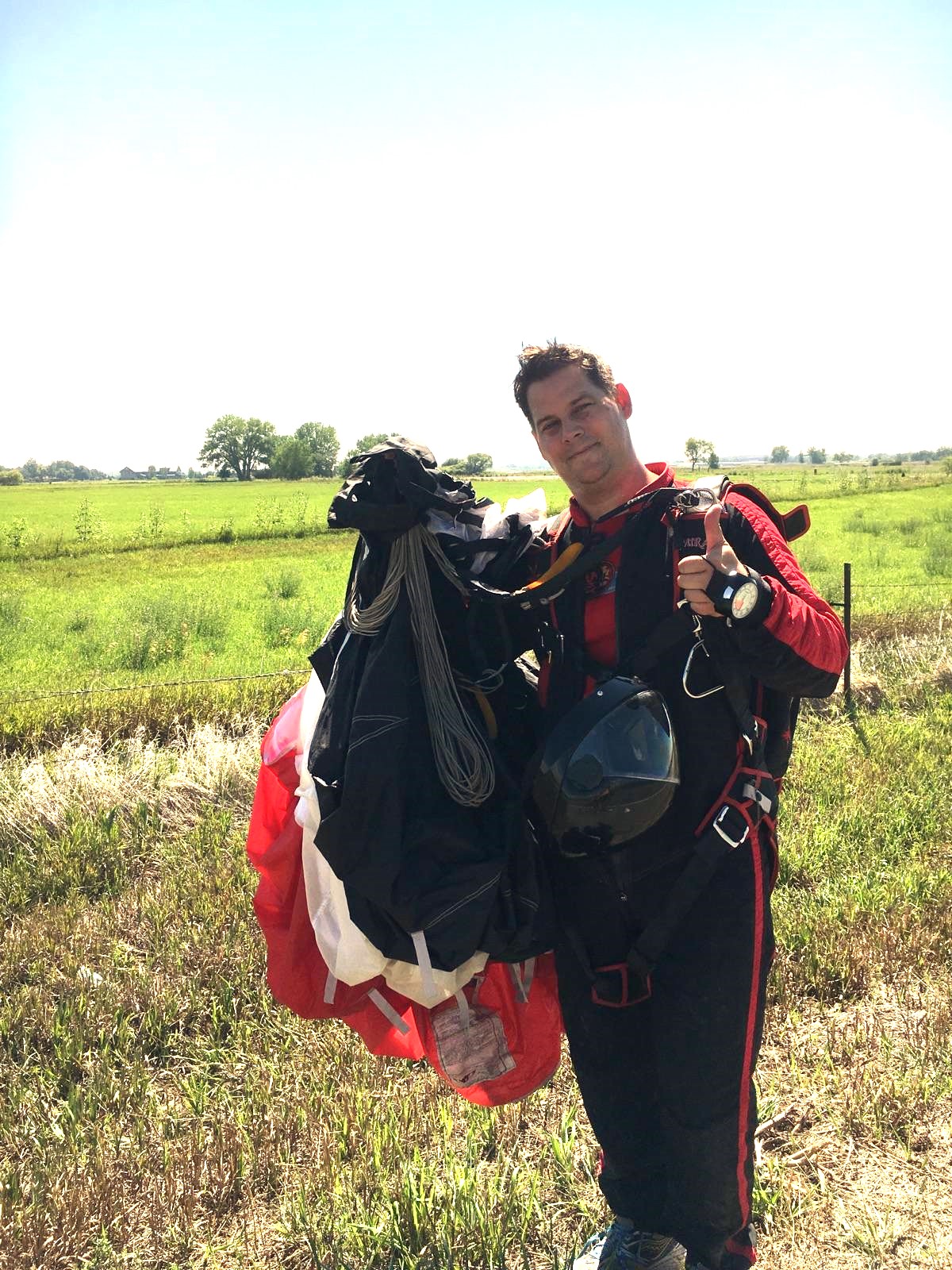
The first time I woke up in that hospital bed, it had been over a week since I jumped out of a plane, violently thrown by the wind, and crashed through a fence, hitting so hard I ripped through the three wire strands of a cattle fence —all before colliding with impact with an exterior metal wall of an airplane hangar at over 30 miles per hour head on. I hit my ribcage so hard that 10 ribs snapped on the left and one on the right. The impact was so great when my ribs snapped, they slammed into my heart so violently that my heart exploded out of where it normally sits onto the other side of my chest. Neither my own surgeon or any other surgeon in the hospital had ever seen a patient in similar condition make it to the operating room alive. I had to have multiple surgeries, with operations to repair my collapsed lungs, spleen laceration, fractured L5 vertebrae, and ruptured diaphragm on top of a concussion. My colon had to be moved back into place. My left femur, pelvis, right wrist, and left elbow had all endured massive fractures. It would be more than 14 weeks before I was allowed to leave the hospital.
Life had looked a lot different before the accident. Raised on the East Coast, I grew up with four siblings and spent my childhood in the familiar suburbs of New Jersey. In 1998, I entered the workforce with a nagging sense that I wasn’t where I needed to be. I worried that I might never leave New Jersey if I didn’t pursue my own wanderlust and start exploring. I was sick of the traffic and overpopulation, I quit my job and moved to Colorado, where I didn’t know a living soul. On the weekends, I embraced my surroundings, climbing, running, and competing in races and Ironman triathlons. (To date, I have completed more than 50 multisport endurance races.) During the week, I devoted most of my waking hours to work in financial services. My determination and ambition earned a coveted promotion at the office, but success came at a cost. Soon, I was logging 70-hour workweeks.
Life was becoming a series of oppressive deadlines and seemingly uncontrollable stress. I was headed for an early heart attack as I transitioned from being in the top 1% of fittest people on earth to getting blood work done and finding out I had prehypertension and pre-Diabetes. I could no longer find the time to train for races or climb on the weekends. Desperate for a release, I considered how else I might challenge himself. I needed to find something I was passionate about that helped relieve stress and didn’t require as much time and energy as training for races, as I no longer had that luxury. I found it thousands of feet in the air, jumping out of planes. The stakes gave me the sense of calm I was after, freeing me from more quotidian worries. It’s hard to fret about a 401(k) in freefall! Little did I know that my newfound habit would soon give me no choice but to be present. I had to remain in the moment and focused. This time, on survival.
In June 2018, I prepared for a weekend jump. The flight up had proceeded without incident. My parachute inflated as usual. But in the last few seconds before I landed, a freak gust of wind hurled me violently towards a fence and building at dangerous speeds. The accident itself is a blur, but I remember a brief moment in the helicopter that ferried me toward the nearest trauma center. I could hear the rotor blades above me. At least for that moment, I knew I was still alive.
At the hospital and in the coma in which doctors placed me in an attempt to help me survive, I was in a world of uncertainty with no assurance of survival. I had horrific nightmares, imagining myself in situations where people abandoned me and left me for dead. Doubts crept in. How was I going to survive? With all of my resolve, I vowed to fight.
I battled panic attacks and brusque doctors in the hospital after I was brought out of the coma. One said I wouldn’t walk for at least six months. Another suggested I might never run again. A team of therapists even told me there was no way I could walk out of the hospital on my own and would need a wheelchair. My prospects seemed dire. It was a visit from my sister that prompted my eventual revelation: I had survived for a reason. Now I had to consider what I wanted to do with a second shot at life.
As my mind cleared, I started to notice something, even from within the isolating confines of my hospital bed. The more I recounted my ordeal, the more other people opened up to me—not just friends, but hospital staff and medical professionals. Nurses confided their doubts—the nagging regrets that kept them up at night. Doctors confessed their own fears and talked about their families. So did ambulance drivers and fellow patients. I was sharing doubts and insecurities with people that I would not have shared prior to the accident. I was more open to expressing my feelings than before. I was delving deep. Sometimes, the frequent retelling triggered my PTSD, but the reaction that it provoked in others was undeniable. As I shared, people offered up their own struggles. It struck me that I could now connect to people to an extent I would never been able to. I realized I was given a gift – a gift that allowed me to connect to others in a way I had not been able to before. Going through the most difficult circumstances in my own life allowed me to connect to others going through difficult challenges in their own lives.
The accident had almost killed me. That much was obvious. But it had also granted me a perspective that too few people in life get: the chance to change my life before it was too late.
Rehabilitation took 11 months. I beat doctors’ predictions, walking in just three months and going back to work five months ahead of schedule. One year after the accident (364 days, to be exact), I raced in a triathlon because my doctor said I wouldn’t be able to, and I wasn’t going to accept limits that others were trying to place on me. Later that summer, I completed two more.
There have been countless impressive stories of survival and no shortage of accounts of beating the odds, but I have something unique to offer audiences: I have tied my own personal narrative of hardship to a greater purpose. My mission is now to impart the hard-won wisdom that the accident gave me to help others live lives of meaning, compassion, and conviction. With the help of my deep faith in God, I am doing just that.
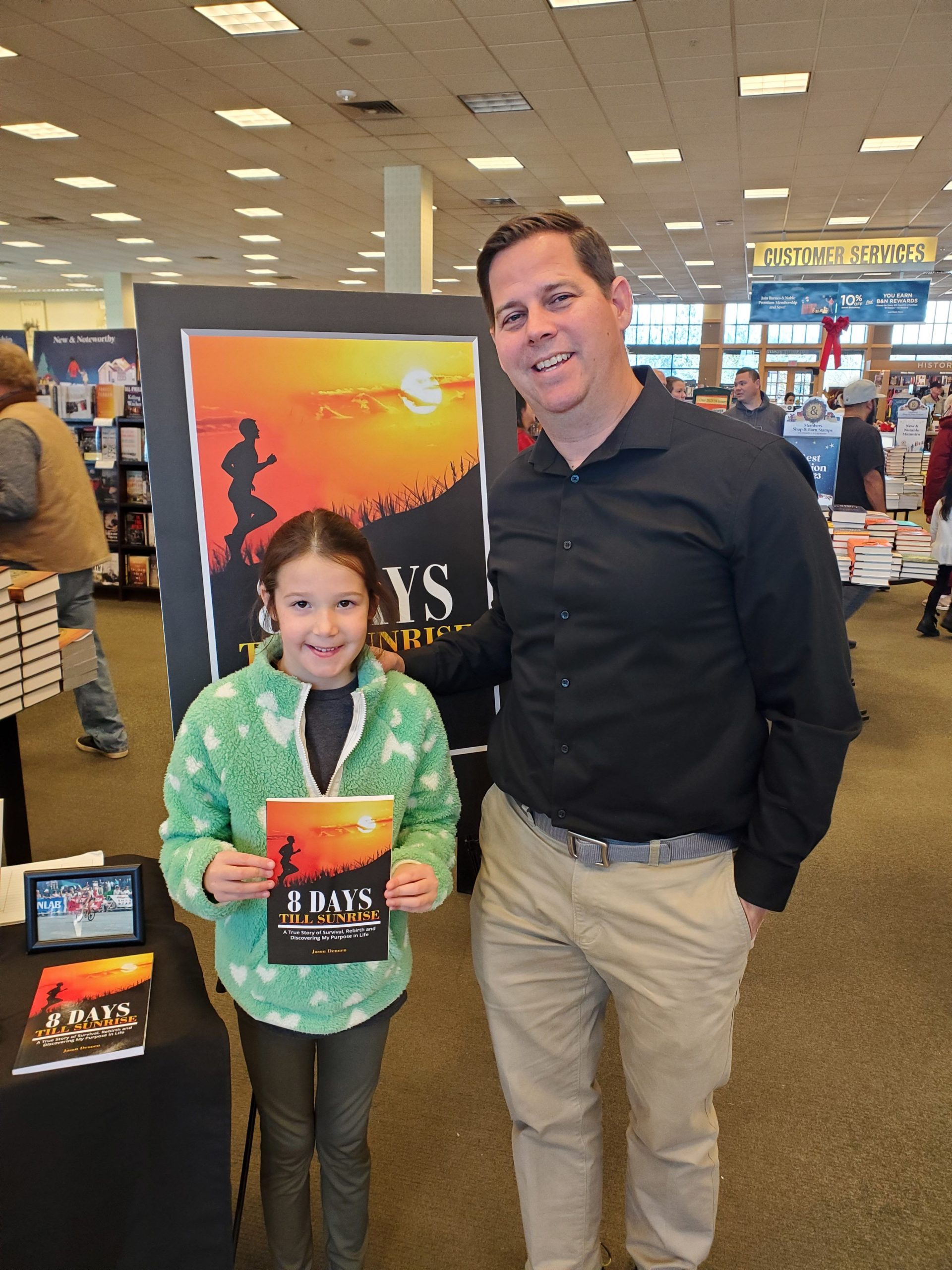
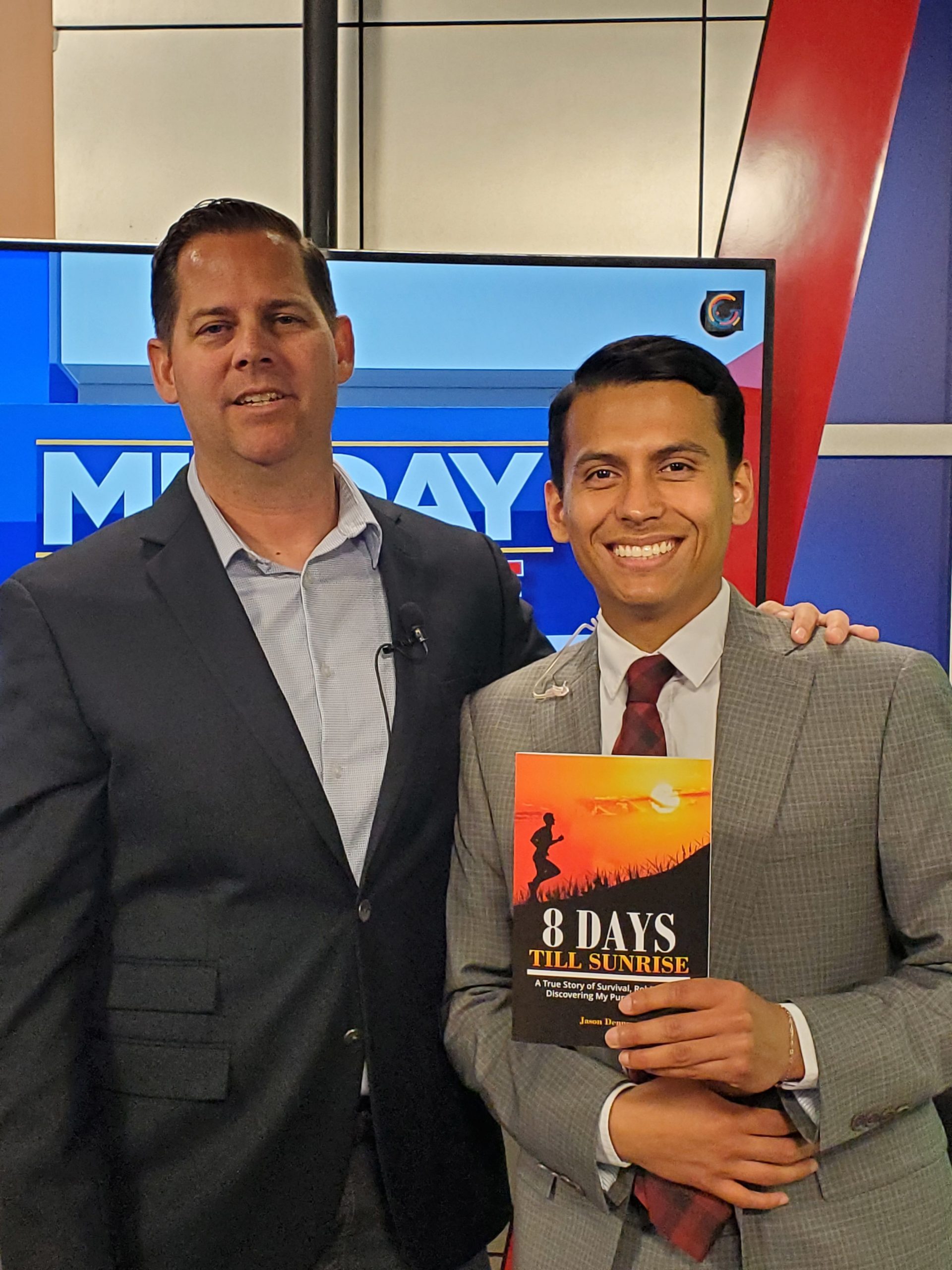
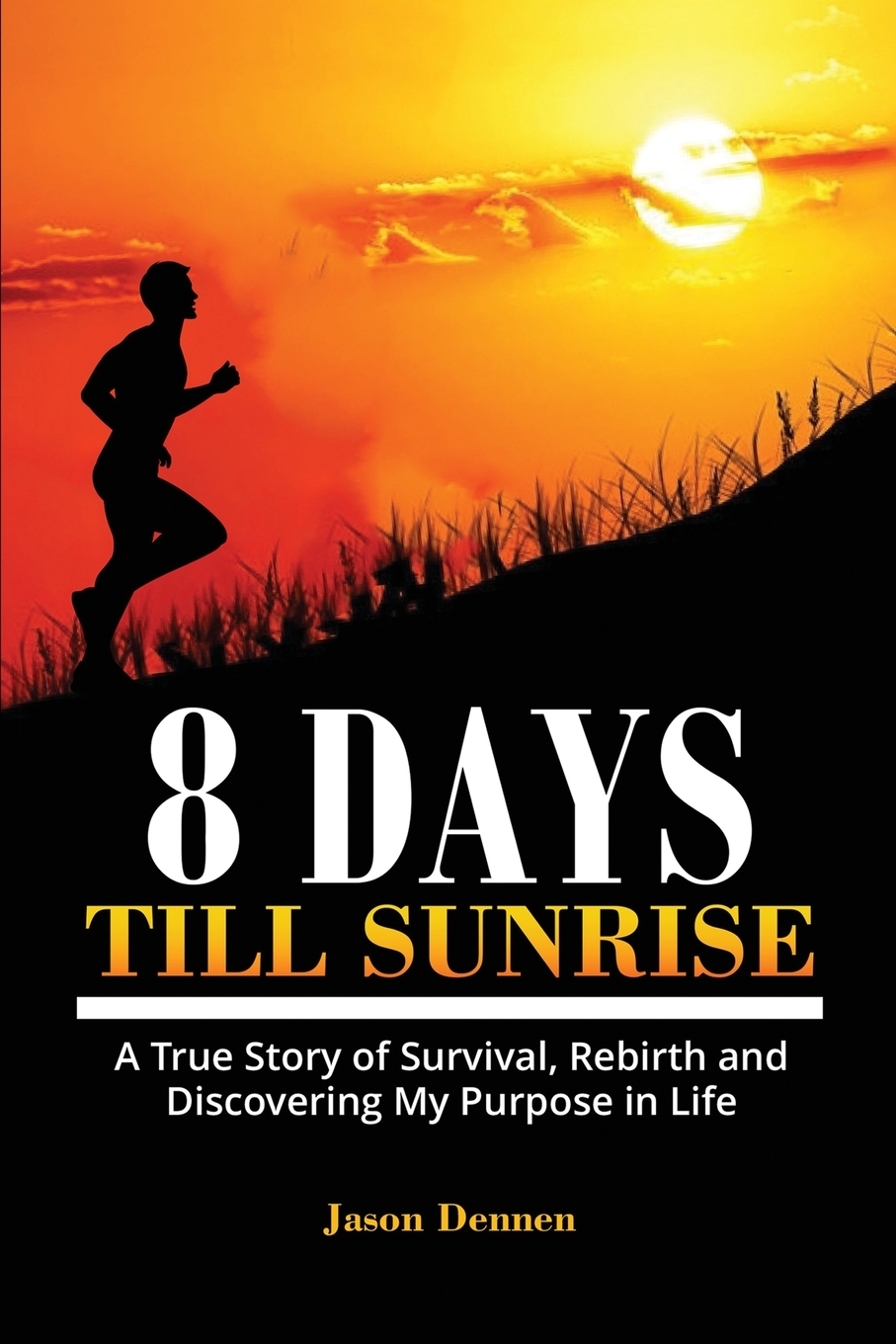
In 2022, I released 8 Days Till Sunrise: A True Story of Survival, Rebirth and Discovering My Purpose in Life. My memoir has a five-star Amazon rating and continues to appeal to readers nationwide. On the speaking circuit, I am regularly asked to talk about healing and recovery, my enduring faith, and the power of connection. For individuals and couples, for men and women, for those just starting out in their professional lives and those reflecting on decades of experience, my introspection resonates. My ordeal forced me to ask the questions that most are too scared to contemplate: What does it mean to live a good life? What is the value of true connection? Which pursuits leave us feeling hollow? And which imbue our lives with meaning?
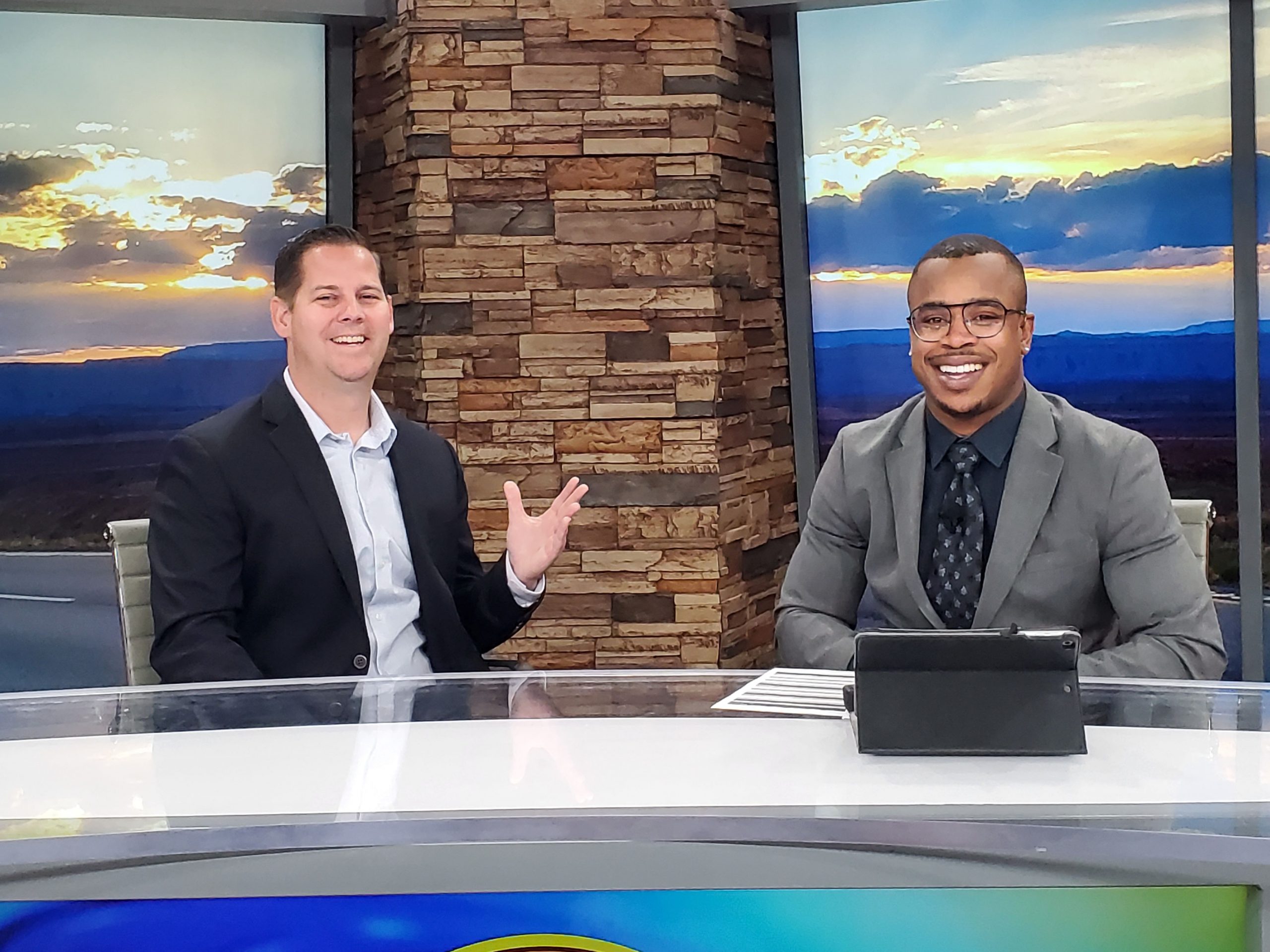
In interviews, in my book, and public appearances I share more than my hard-earned answers. I help facilitate a conversation that helps audiences find their own.
Would you say it’s been a smooth road, and if not what are some of the biggest challenges you’ve faced along the way?
Here are 5 actions that I took to persevere through adversity and come back from my accident. These actions can be used by anyone to help them battle through the difficult challenges they are experiencing.
1. Never accept the limits other people try to place on you. After my accident, there were medical professionals that all made predictions of what I was going to be capable of in my recovery. Whether it was telling me that I wouldn’t walk out of the hospital on my own, that I probably would never run again, that certain parts of my body would never fully recover and get as strong as they were pre-accident, and that I would never be able to squat 250 pounds again. They didn’t bother to predict if racing a triathlon or mountain climbing was possible as they didn’t consider it worth predicting as it was out of the question. If I listened to all the predictions made about what was possible and what wasn’t, I would have never made the recovery that I made. The only way you are going to find your limits is if you go out and test them.
2. Every day find a way to make a small improvement as small improvements every day make huge improvements over time. I started coming back from my lowest depressed state after the crash when I permitted myself to find a way every day to make just a small improvement each day because that is what I was capable of at the time and it was manageable and realistic to make a small improvement each day that would create momentum and those small changes would create big changes if I made enough small increases each day and did that for a long enough period.
The first day, when I saw a big improvement, was when I was able to open the top of my yogurt at breakfast after the casts on both arms were removed, then I saw progress when I pushed my wheelchair for the first time and then a little bit further each day and slowly increased the strength in my legs each day for 40 days. Then, I got an x-ray that said I was healed enough to try to walk, then walked a few steps, then progressed to walking a little further each day until I could walk a few stairs then little by little I progressed from a walker to crutches, to one crutch, to a cane, to no support to running and then running 6.2 miles and then beyond that distance just by concentrating on getting a little better each day.
3. Test yourself often and assess where you are. You can’t determine if you are making progress unless you are willing to test yourself and potentially fail. When I had trouble walking when I first got home from the hospital I couldn’t walk very far because of my limited endurance. One day, I decided to see how far I could walk with my crutches. I went outside to a trail and walked it. It took far longer than I expected and my pelvis and legs were in pain after the walk but I realized I had just created my weekly test that I would measure my progress by. It started with crutches, then progressed to one crutch, then to a cane then with nothing helping me with my balance, and then eventually running the trail. As time went on and as I got rid of all the tools I used to help me walk the time to finish the trail continued to plummet. Each time, I tested myself I tracked what was working and what I needed to change to improve for the next time I tested myself.
4. Build a strong foundation and it will guide you through the storm. I woke up from my coma and within a few minutes the nurse came into my room and told me I needed to start drinking something since I was dehydrated. I took a sip from the straw and I asked what I was drinking because it was the best thing that I had ever had to drink in my life. The reply from my Dad was that I was drinking water and he chuckled. Instantly, I had deja vu. While I was in a situation I had nothing to compare it to and was lying there broken in my ICU bed I felt a calm coming over me. I had never been in this broken position before but something felt familiar to me. I had been in challenging unknown life-threatening situations in the mountains before where survival was not guaranteed. I felt comfortable because I had taken on those unknown challenges before and had survived and made it through so if I could survive through those situations why couldn’t I survive this situation?
Months later, I realized why drinking that water made me feel deja vu. I had that same feeling when I first started climbing when I moved to Colorado. I went out on my first big winter climb to Longs Peak by myself. I summited the mountain in poor conditions that continued to deteriorate as I descended the mountain. After night fell I continued exhausted until I couldn’t wade through the thigh-deep snow any longer. I hid behind a rock to wait out the storm and wait until sunrise to continue down the mountain. During the 12 hours of darkness and the subzero temperatures that I endured without a sleeping bag or tent, I started to wonder if it was possible that I might not make it through the night and freeze to death before morning.I decided to stay awake the entire night as I thought if I stayed awake I could not freeze to death. Every few seconds I would wiggle my toes and fingers otherwise they would go numb and I didn’t want to get frostbite so I kept moving my toes and fingers which helped keep me awake. As the sun finally rose, I stood up again and started walking back to the trailhead through the 3 feet of new snow that had fallen in the storm. After hours of wading through the snow I got back to my car and I was starving so I headed to the first place that I could find food at which was a fast-food restaurant.
I proceeded to tear through the wrapper and take a bite of food and that bite of food tasted like the most fantastic food I had ever eaten which couldn’t have been true as that fast food could not have possibly tasted better than other food that I had eaten. That amazing taste of water felt as amazing as that first bite of food after getting off that mountain that I was unsure that I would survive. Going through difficult challenges in life before the accident guided me through the challenges I would face once the accident occurred. I had an understanding and confidence that I could get through difficult circumstances because I had done it before.
5. Fear can either protect you or hold you back from things you are capable of accomplishing. I chose the triathlon as a goal because I wanted to feel normal again to strive to do something I was able to do before the accident. Was I sure I could accomplish it? No. Was I going to give it everything I had? Yes. There were no guarantees that I was going to finish the race because of the distance or could I finish before the time cutoff? I couldn’t let the fear of re-injuring myself or not finishing the race stop me from doing the race.
The fear of failing at my goal was the fear that could hold me back not the fear that was trying to protect me. So, I decided to race because I couldn’t risk not testing myself or not having the courage to fail. Whatever the outcome it was worth breaking through the fear to find out what was possible.
Thanks – so what else should our readers know about your work and what you’re currently focused on?
I am on a mission to inspire people by sharing my story of survival and to empower people to get through life’s most difficult hardships by utilizing the lessons they have already learned throughout their lives and by taking advantage of the strength, they already possess inside themselves.
I have written a book called 8 Days Till Sunrise to help get my message into the hands of people struggling in life that need to be reminded that they are strong enough to make it through their hardships. I also share my story with audiences and groups that would like to hear my story of survival. I am often asked to speak about healing and recovery, my enduring faith, and the power of connection.
My accident forced me to ask questions about my life that before my accident I avoided or was too scared to contemplate: What does it mean to live a good life? What is the value of true connection? Which pursuits leave me feeling hollow? And which imbues my life with meaning? Those are questions I share the answers to with my audience and challenge my audience to answer those questions for themselves.
Can you talk to us a bit about happiness and what makes you happy?
Testing myself and exploring the limits of what I am capable of and proving others wrong who doubt me makes me happy. Most of the challenges I undertake start in a similar fashion. I feel the need to try something new to test my limits and to make myself feel uncomfortable and question whether I have the ability to take on the new challenge.
Every doctor, physical therapist and nurse I came in contact with while I was in the hospital after my skydiving accident tried to temper my expectations of what I would be physically capable of doing for the remainder of my life. They kept telling me all the things I wouldn’t be able to do. I had crashed through a cattle fence and into the side of an airplane hangar going 30 mph. I broke 20 bones, 4 organs had to be fixed, my heart ended up on the wrong side of my chest and I spent 8 days in a coma. Every person that entered my room liked to remind me that I was lucky to be alive. I was happy to be alive but just existing would not be enough for me. Accepting the limits people were trying to place on me would never make me happy. I had to find my limits and that would not be possible unless I was willing to risk failure. I kept proving people wrong each time I did something they said I would never do again. Each time I overcame a challenge the stakes went up as a new challenge presented itself and the likelihood of failure increased as well.
I hadn’t climbed a mountain in years. I had raced in a triathlon and had gone backpacking and hiked mountainous trails since the accident but I had not stepped back onto a mountain that would force me to climb technical terrain. On this technical terrain if my body failed I would be in grave danger. There was only one way to find out if my body could hold up to the stresses I needed to put it under.
My alarm clock went off at 10:00 PM, 3 hours after I went to bed. Truth be told I had been awake for at least an hour just waiting for that sound to give me permission to start my day. It was time to see if I was still willing to take a risk. I microwaved some chicken and rice to get some calories in my body for the upcoming journey. I hopped in my car and headed north. I left so early the bars were still open so the drive through lane of the 24hr fast food restaurant was empty. I left early because I wanted to be alone in the moonless night to decide if I was ready or not to push myself beyond the limits of my comfort. I increased my speed and my shoulders hunched forward in an aggressive position as I quickly turned my wheel back and forth as I drove through the increasingly tight S curves that led me to the dead-end road where the real work would begin.
The parking lot at the end of the road was completely empty. Perfect. I put on my backpack, turned on my headlamp to add a little light to the dark trail. It had been a long time since I had been alone approaching a mountain covered in darkness. The darkness makes me question myself. Am I ready for this? It has been so long. Am I still the guy that can do this? My crampons and ice tools in my backpack rattle as I walk over the snow covered trail. I finally reach the bottom of the ice covered mountain and can barely make out the start of the ice gully where I am supposed to start. I quickly strap my crampons to the bottom of my boots and pull out my ice tools. I look up to the dark unknown, take a deep breath and start climbing. Each step requires a kick of my boot into the ice. To make upward progress I must trust that I have properly kicked hard enough into the ice to stick to it. Each swing of my arms with my ice tool penetrates the ice. I test that the pick of the ice tool sticks enough that I can pull on it hard enough to allow me to make upward progress up the sheet of ice that towers over me.
Doubts start to recede into the back of my mind as I start getting into a rhythm and I memorize the sound that my crampons and ice tools make when they stick in the ice with enough purchase that I can climb upward without my foot slipping or ice tool ripping out of the ice. I am in my own little world, in the present moment, nothing exists beyond the 10 feet that my headlamp illuminates. Slowly I climb deeper and deeper into the danger zone. Cracking sounds from the ice hundreds of feet above grabs my attention. Is that ice going to be funneled down the gully I am climbing and rip me off the mountain? If it does come down at me, I won’t be able to see it until it is too late or not at all with the speed it will build up over those hundreds of feet.
I ignore the crackling of the ice and continue to progress upward until the gully narrows to 10 feet wide and the ice and snow starts to become thinner and thinner until it disappears at a dead end where a rock wall guards additional progress. This is where the real risk starts. Everything up until this point was just a warmup for what was about to come. I was not aware that I was going to have to climb this rock before I started. It had been 18 years since I had climbed this mountain and conditions had changed over the years. Had I changed over the years? Was I still willing to take the risk? One misstep would mean a 2000-foot fall to the bottom of the climb with little potential for survival. The options were retreat down the route on the quickly deteriorating snow and ice which had its own set of dangers or climb my way up this rock headwall and to the summit.
I removed my gloves and hooked my ice tools over my shoulders so they wouldn’t fall down the mountain. Finally, daybreak came which gave me enough light that I could make out the small imperfections in the rock where I could place the metal spikes from my crampons on and grab with my hands to make upward progress. My hands were losing feeling from grabbing onto the cold rock but I was not going to trust my life by grabbing this rock with my hands covered in clumsy gloves. I blew on my hands hoping that feeling would return. I slowly edged my way up the rock and was able to exit the rock face onto easier ground. I thought I was close to the top and through the difficult section until I turned the corner and saw an additional rock wall that I would have to climb to get to the top of the mountain. This time there was no choice other than to climb it as the rock I had just climbed was far too difficult to climb back down.
There were two options: tuck my tail between my legs and make the humiliating 911 call to search and rescue and get plucked off the mountain via helicopter or climb the rock wall. I stared at it for 5 minutes trying to figure out exactly where my feet and hands would need to be placed to surmount the rock wall. I wasn’t 100% sure I had the ability to climb this rock section. It seemed blank without many holds. Adding to the difficulty I had not rock climbed in a few years and had not attempted to climb rock with my big clumsy ice climbing boots with the added difficulty of having these metal spikes attached to the bottom in 15 years. I took a deep breath and started up and slowly progressed. The sun finally rose enough to start illuminating the rock 20 feet above where I was hanging on the wall. As I stared up to see the light shining on the rock it reminded me of the first light I saw shining through my hospital window when I opened my eyes for the first time after my 8-day coma. I had been searching for 8 days in that coma for the light beyond the darkness of the coma and today I had been battling through 8 hours of darkness to get back to the light of the rising sun. I started tapping into that same place in my mind it took to battle through that coma in order to climb that last 20 feet of rock. There was no room for error as the consequence of failure was the loss of my life. I delicately placed the metal front points coming off of my boots onto the dime sized ledges in the rock and clung to the rock with my finger tips and kept 3 points of contact attached to the rock while I moved one limb at a time slowly and with absolute precision as if my life depended on it because it did.
After 15 minutes of slowly inching up rock I pulled on top of a rock ledge and then climbed the last 100 foot incline of snow to the summit. I took a risk battling through the coma as I had no idea what was waiting for me on the other side. I started climbing that rock on this mountain without knowing what was on the other side. Taking risk takes practice. It is not comfortable but by continuing to take risks you start feeling accustomed to the discomfort and have the confidence that you can survive it.
After getting to the summit the heavy weight of the moment lifted as I was safe and all I had to do was walk down the easy side of the mountain, but before leaving the summit I scanned the horizon for the other mountains in the area. After surviving this mountain I started planning next week’s climb and then thought about what I would climb two weeks from today. For the next 6 Saturdays I reacquainted myself with risk until all of the snow and ice melted to the point where there wasn’t much left to climb.
I had just broken through another barrier that people placed in front of me. There would be more challenges and barriers to break through in the future. Doing hard things only prepares you for one thing and that is taking on more hard challenges in the future.
Pricing:
- $19.99 8 Days Till Sunrise
Contact Info:
- Website: https://www.jasondennen.com/
- Instagram: https://www.instagram.com/jwdboulder/
- Facebook: https://www.facebook.com/jason.dennen.5/