

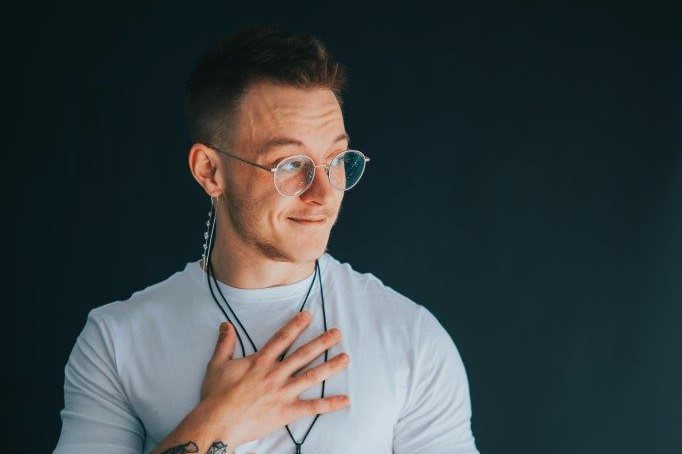
Today we’d like to introduce you to Ren Dawe.
Hi Ren, thanks for sharing your story with us. To start, maybe you can tell our readers some of your backstory.
I’m originally from Shepherdstown, West Virginia, and fell in love with the arts and queer culture in my small hometown through community theatre productions and a small but tight-knit Appalachian queer community. A few years ago, I heard a transphobic joke. While not the first time I’d heard a rude joke featuring a slur related to my identity, this one stung in a different way. I heard it on Netflix, by one of the premier comedians of our time. Upon hearing this joke, I was heartbroken. How could someone that had brought me so much joy in the past, especially during the dark moments of my transition as a trans man, be so smart about the ridiculousness of the world and spew such simple ignorance about me and my community?
. I decided I wanted to tell good trans jokes that were funny for everyone, not because they weren’t dark or dirty or downright crass, but because they were true in illuminating the absurdity I’d experienced in our binary-obsessed society. I set my sights on an open mic at a smoky pub in Atlanta, Georgia, and I went.
Since that day, I helped found the Colorado Queer Comedy Festival, toured nationally, and been featured in comedy festivals from New York to Alaska.
Beyond comedy, I am deeply involved in educational and advocacy work. I serve as the Education Director for the You Can Play Project, creating allyship curricula for major sports leagues in North America. I also hold positions as a Faculty Relations Manager and ERG Chair at edX, where we focus on LGBTQ+ programming, and participate in the Trans Advisory Committee for Out Boulder County, contributing to safety and inclusion for LGBTQ+ individuals in various educational settings. I’ve published several pieces to add to the discourse on trans identities and attempt to blend humor with serious topics to offer a unique perspective that both entertains and educates.
We’ve come a long way from being a little trans kid in West Virginia, to say the least.
Would you say it’s been a smooth road, and if not what are some of the biggest challenges you’ve faced along the way?
Maybe I’m optimistic, maybe it’s luck, but I’ve had a lovely experience as a trans person. I’ve met so many amazing people, and have seen the shift in others when I finally started to give myself permission to be the most authentic version of myself publicly.
It has not all been smooth, however. I spent several years of my life houseless, living in tents and cars and vans, and was only able to secure stable housing in the last 2 years.
Additionally, being a trans comedian–though I feel has been generally well-received–comes with its own risks. The need to take precautions before/after shows is not lost on me. Additionally, I’ve headlined in multiple states that I would also be arrested if caught for using a public restroom. I am privileged in navigating this strange dichotomy–as I walk through this world as a white man–and it’s something that motivates me to keep going despite and in spite of criticism.
Thanks for sharing that. So, maybe next you can tell us a bit more about your work?
I am a writer and I perform my own material — both in comedy, screen/stage work, poetry and essay. I’m mostly known for doing trans content in the comedy world.
After moving to Colorado and surviving a pandemic, I revived my comedy dreams and stepped into the Denver scene. After getting a few gigs and meeting more than a few wonderful people, I started to hear more and more queer comedians expressing their feelings of tokenism being their only avenue to book bigger gigs, feeling disallowed to explore content outside their designated demographical trope, and struggling to gain entry into the “big leagues” of statewide festivals which actually pay moderate wages.
Despite these hurdles, LGBTQ+ performers have pressed on in bars, clubs, open mics, and pallet shows in defiance of unfair treatment and selection. Promoting queer stories isn’t just beneficial for our community–it’s a critical tool in our work in educating allies on inclusivity. Time and time again, I’ve had “straight” allies approach me after shows to express their enjoyment of content focused on the trans experience. I’ve even had people convey that their minds had been changed, that they realized policies barring queer existence from public spaces (that they previously supported) would mean obstructing my jokes from ever seeing the light of stage. This drastic change in opinion, that had occurred in a matter of minutes, has brought me new friends from unexpected places and positions. It has proven to me that comedy is activism, that humor is one of the most powerful tools we have against bigotry, and that laughter can unite us when our country is hellbent on dividing us. It is much easier to learn to laugh together than it is to persist fighting one another.
I think something that sets me apart from other comics–and even other queer comics–is I refuse to punch down, ever. I truly believe that even comedic skills such as “roasting” others can be done in a way that is both crude and polite–that lifts people up and points out absurdity that empowers. I am a firm believer in the good in people, and that optimism has saved my life more than once.
We all have a different way of looking at and defining success. How do you define success?
As an Appalachian, success looks like being stable enough to have fun! I feel very fortunate to make enough from my day-jobs to be able to afford stable housing, travel, etc.
As an activist, success looks like perseverance and continued action. The comedy world is grueling sometimes, but I’m not in the comedy world to “make it” or to become wildly famous. I am dedicated to this craft because I believe that good jokes can save lives, that laughter is the shortest distance between two people, and that we can change hearts and minds through it.
Whenever a queer person comes up to me after a show and tells me how much they enjoyed hearing jokes written for them (often for the first time ever), or when a conservative audience member approaches me afterwards to express how surprised they were to have enjoyed the content and how it changed the way they now think about trans folks entirely — THAT is success to me.
Contact Info:
- Website: www.renqdawe.com
- Instagram: https://www.instagram.com/renqcomedy/
- Facebook: https://www.facebook.com/profile.php?id=100078860258492
- Linkedin: https://www.linkedin.com/in/ren-dawe/
- Other: https://renqcomedy.komi.io/
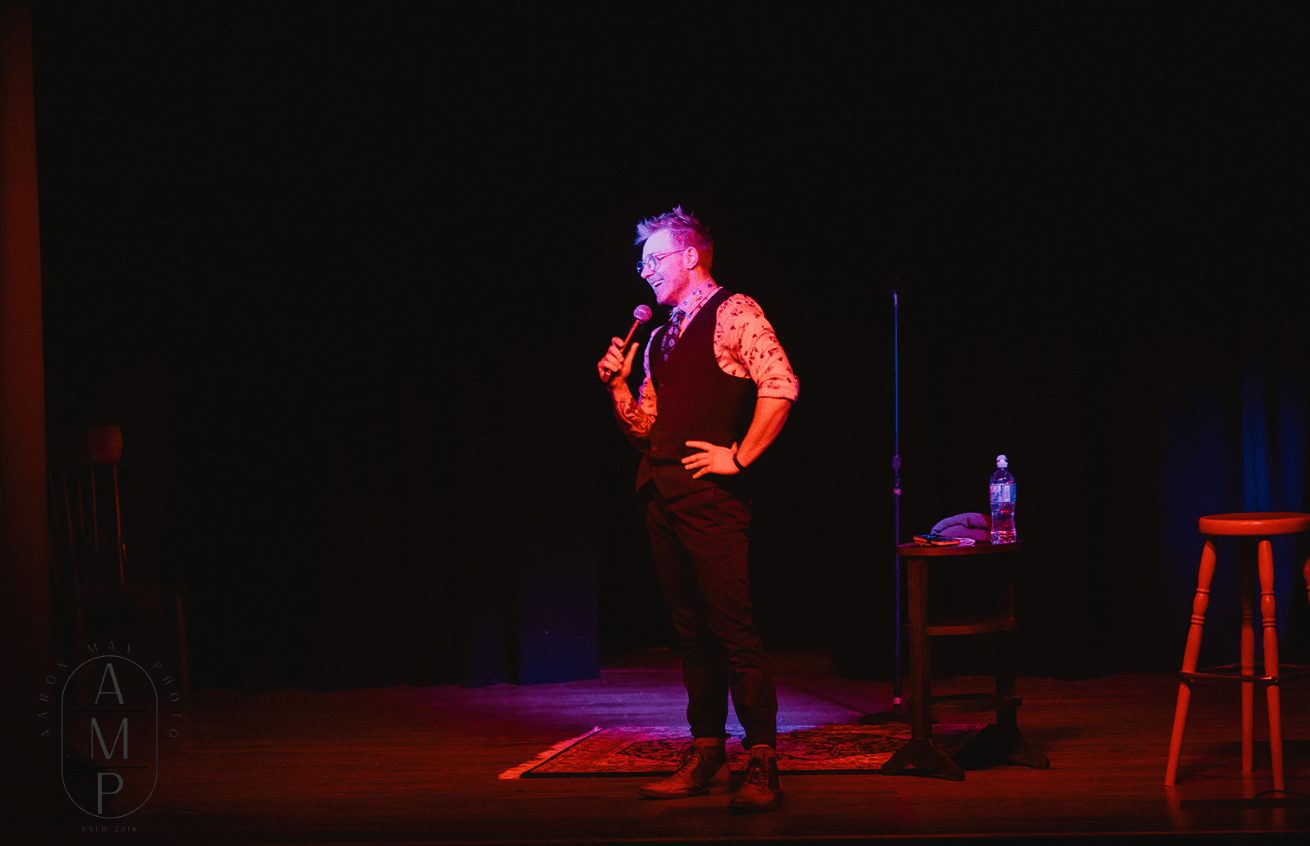
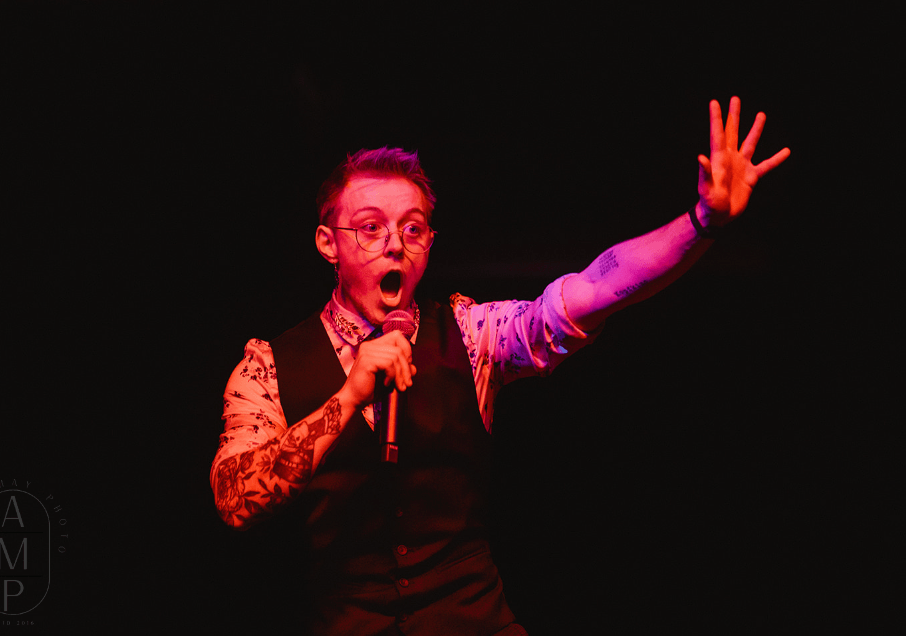
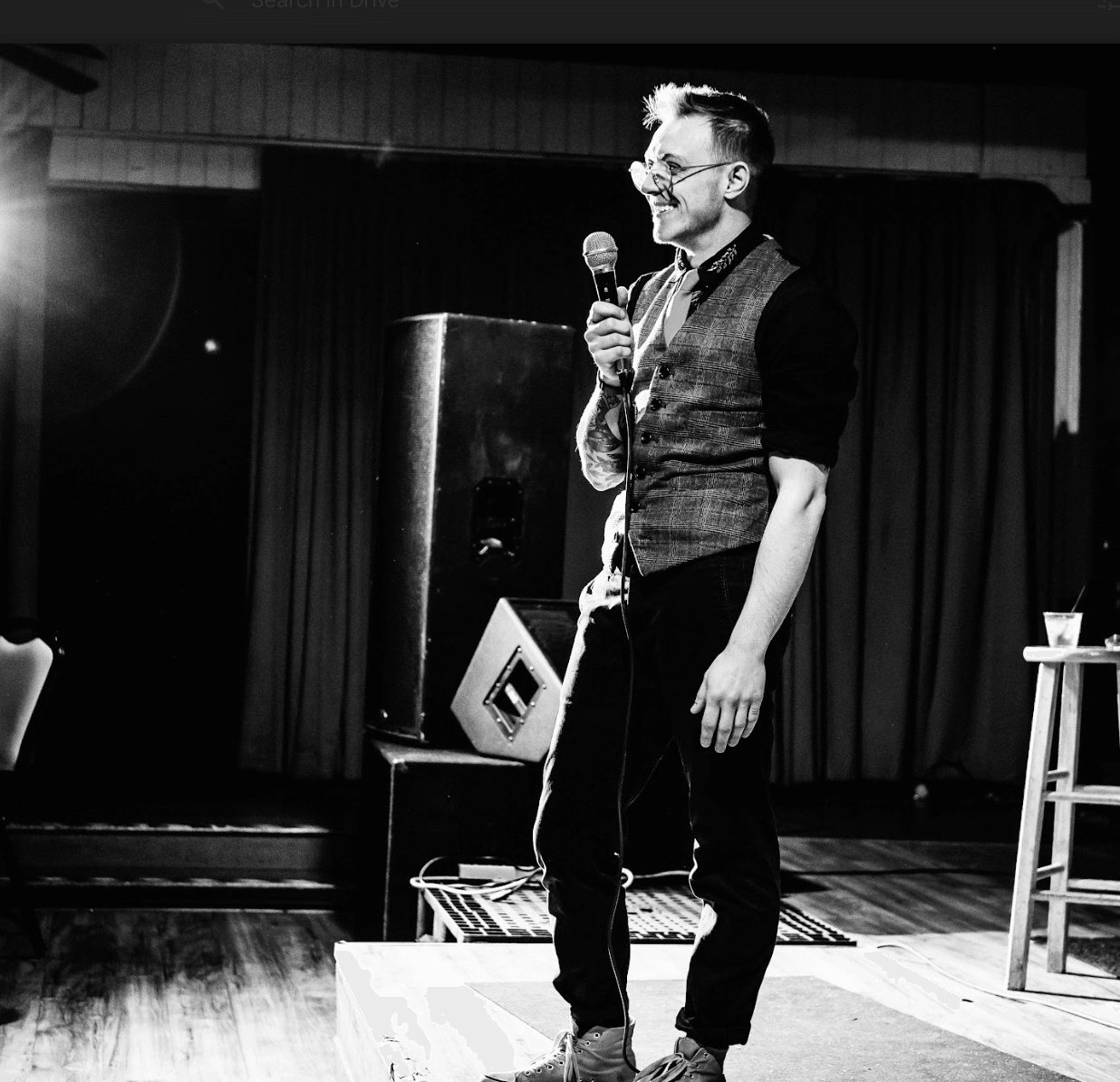
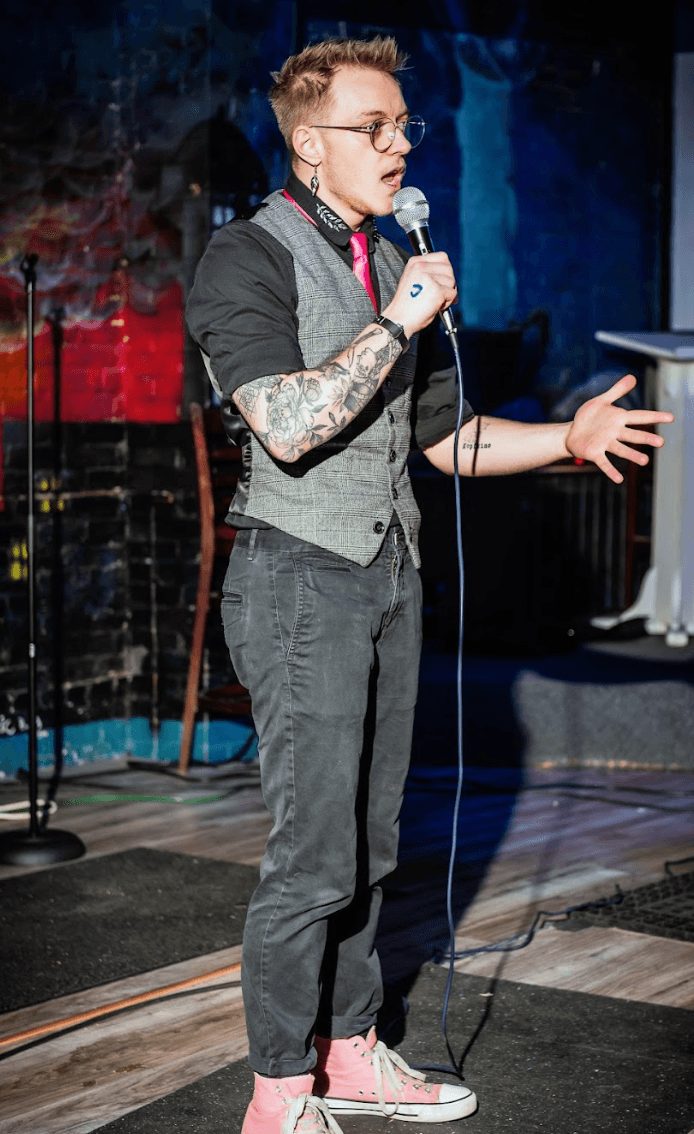
Image Credits
Aaron May Photo Dude IDK Creative Random Eye Candy Photography