

Today we’d like to introduce you to Skip Rohde.
Hi Skip, thanks for joining us today. We’d love for you to start by introducing yourself.
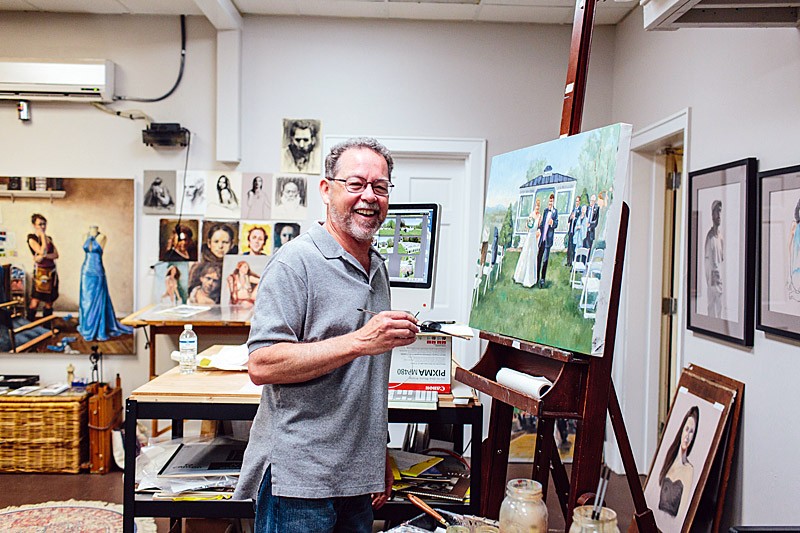
I’ve been making art since I was maybe 4 years old. I wasn’t interested in making it a career, though: I got a degree in engineering and then became an officer in the Navy. That wound up lasting 22 years. I continued making art and taking classes when time permitted. After retiring from the service, I went to the University of North Carolina at Asheville and earned a Bachelor of Fine Arts degree. Then I set up my studio in Asheville’s River Arts District and began life as an artist.
In 2008, I went to Iraq as a temporary State Department officer to help manage reconstruction projects around the country. That lasted 18 months. I came home for about a year or so, then went to Afghanistan as a State Department officer again. This deployment took me to Kandahar Province for a year. Now my wife won’t let me go to war zones anymore.
My studio work has always revolved around people. I’m very interested in learning something about others: who they are, what experiences they’ve had, and how I can capture some of that on paper or canvas. Most of my different series of paintings have explored peoples’ stories, all based on individual experiences that others have shared with me or that I’ve had. The themes of the series have included aging, the lasting after-effects of war, politics, and what might happen in the future. Most of these themes seem to be dark – I don’t know why – but there’s always hope in them.
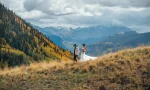
For the past seven years, I’ve also been doing live wedding paintings. These are started at the event, then I take them back to my studio and work on them for another 2-4 weeks to get them up to my standards of finish. These are a lot of fun and also extremely rewarding. If I do my job right, these could be family heirlooms for generations. I like that thought.
I’m sure it wasn’t obstacle-free, but would you say the journey has been fairly smooth so far?
It has NOT been a smooth road. I discovered early on that making a living as an artist is possible only if (a) people want to buy a lot of what you make and (b) you enjoy making things that people want to buy. If the things you want to make are not things that people want to buy, then you have a dilemma: do you make things people want, or do you find another source of income that allows you to create the art you’re called to make? I found that people appreciated what I had to say in paint, but they didn’t take them home.
I decided to separate my income-producing activities from my art-making activities. That approach has worked for me. It has given me the freedom to do whatever I want in the studio, without the stress of having to sell. As a result, I am the greatest collector of my own work, which gives me lots of flexibility when it comes to deciding what to show in an exhibition!
As you know, we’re big fans of you and your work. For our readers who might not be as familiar what can you tell them about what you do?
One of my studio activities is being a live event painter. I go to weddings and other events to create a painting of it as it’s happening. There are a lot of artists doing this now, but my approach is rare. The client and I will determine what the subject of the painting will be. This is something that should be very personal to the bride and groom: the ceremony, the first dance, just the two of them, whatever means the most to them.
I’ll take a ton of photos – typically 200-400 – then load them into my laptop and start working. Of those photos, I’ll use bits from maybe 20-40 of them. I’ll work throughout the reception in oil on canvas (most live artists use acrylics). At the end of the evening, most people think that it’s done, but it’s not even close. I’ll take it back to my studio and continue working on it for another 2-4 weeks.
It takes that long to resolve compositional issues, develop the likenesses, give the figures life (“life” and “likeness” are NOT the same thing), and get it to the level where I’ll put my signature on it. Some artists are very good at capturing life and likenesses through vibrant brushwork, bright colors, and lots of energy, and that’s great. I’m slower with a more conventional fine-art sensibility.
The crisis has affected us all in different ways. How has it affected you and any important lessons or epiphanies you can share with us?
Since I decided years ago to separate my income-producing activities from my art-making activities, the Covid crunch didn’t affect me as much as it did other artists. Most of my scheduled wedding clients either canceled their Big Events or postponed them.
For those who pushed ahead anyway, I canceled to protect my own health. I only did one wedding in 2020 and that was done over Zoom. (Yes, over Zoom. The only ones actually there were the couple, officiant, photographer, and somebody to handle the Zoom stuff. All the guests were on Zoom. I was painting in the studio over Zoom as well!).
The shutdowns let me do a lot of experimentation in the studio. I was able to try new techniques, mediums, subjects, compositions, and lots of other stuff that only artists would appreciate. On the business side, I stepped up my other activities, almost all of which are done remotely, such as writing proposals for firms trying to get federal contracts. I’ve found that to be a creative endeavor in its own right.
Pricing:
- Wedding paintings: $3,000 and up
Contact Info:
- Website: www.skiprohde.com and www.ashevilleeventpaintings.com
- Instagram: @skiprohde
- Facebook: facebook.com/Studio.of.Skip.Rohde and facebook.com/Asheville.Event.Paintings
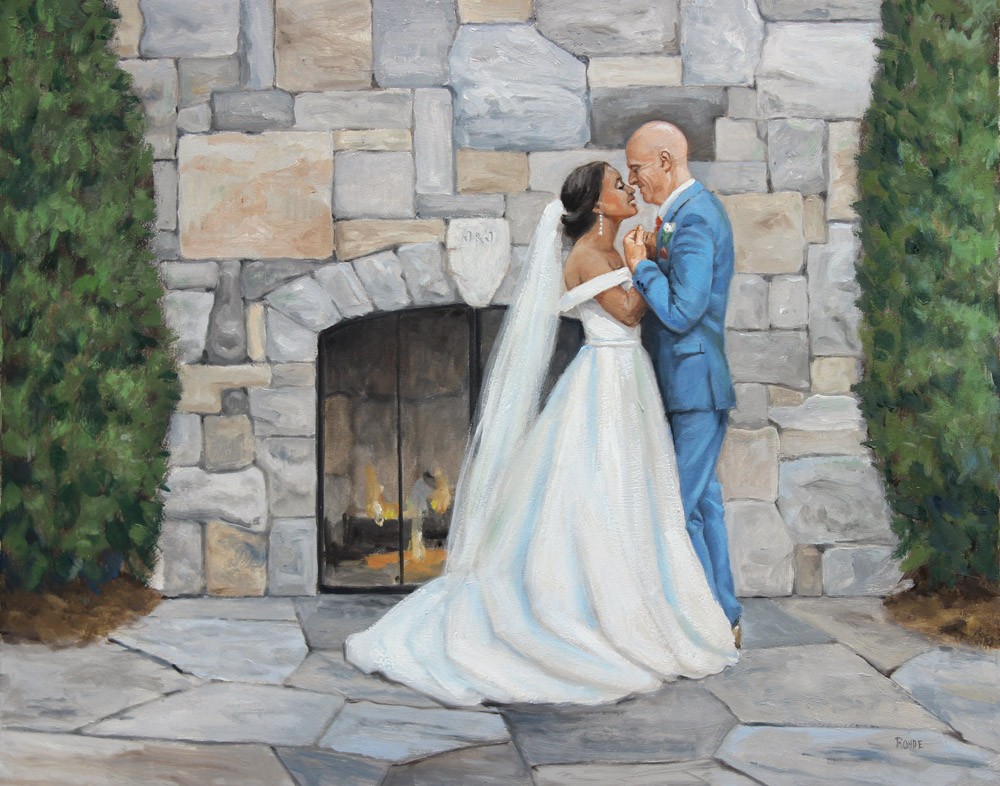
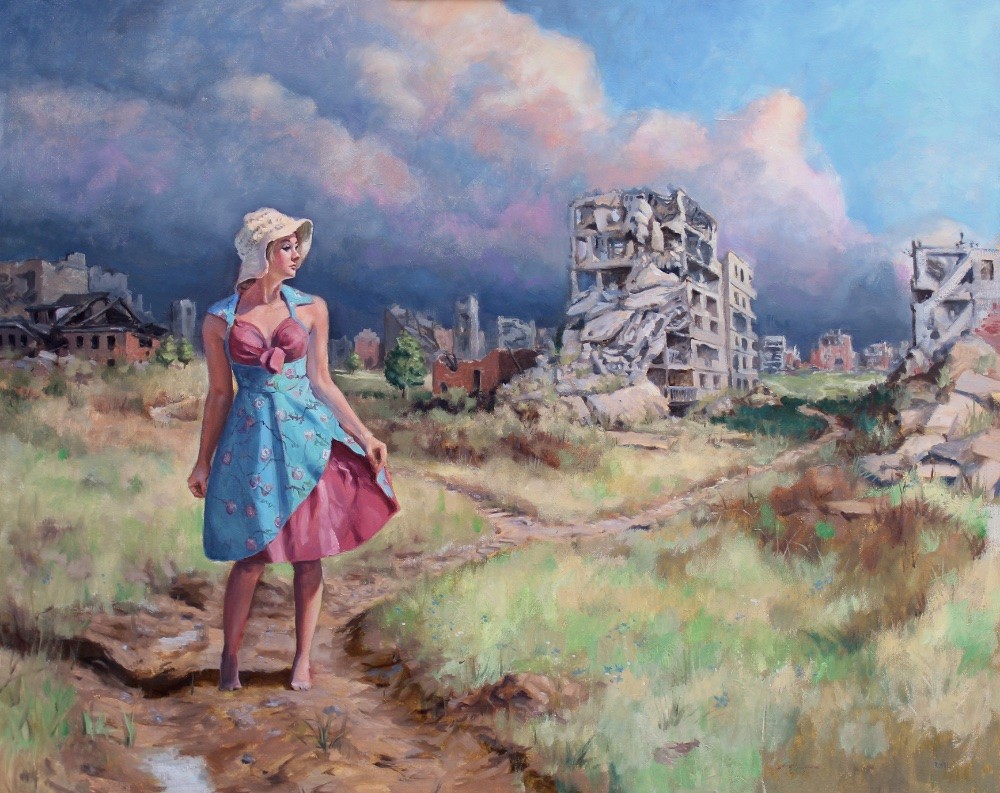
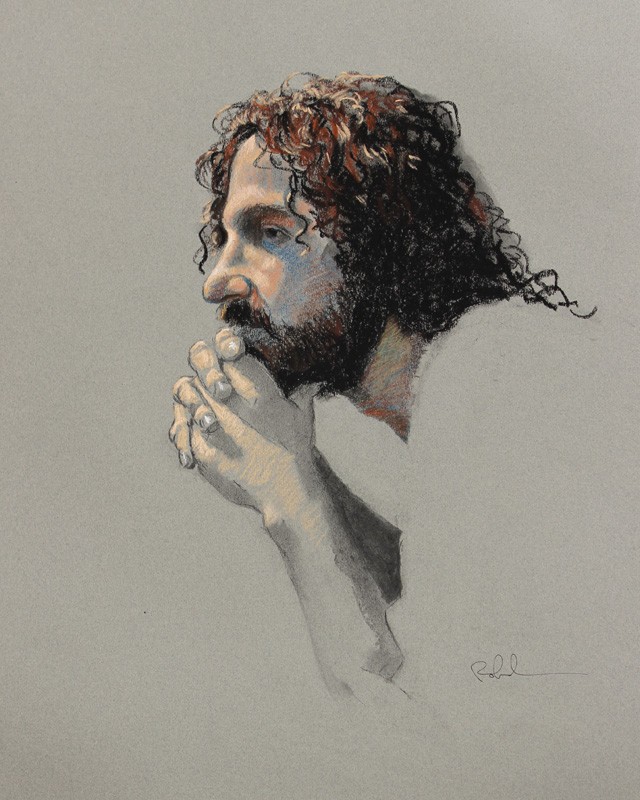
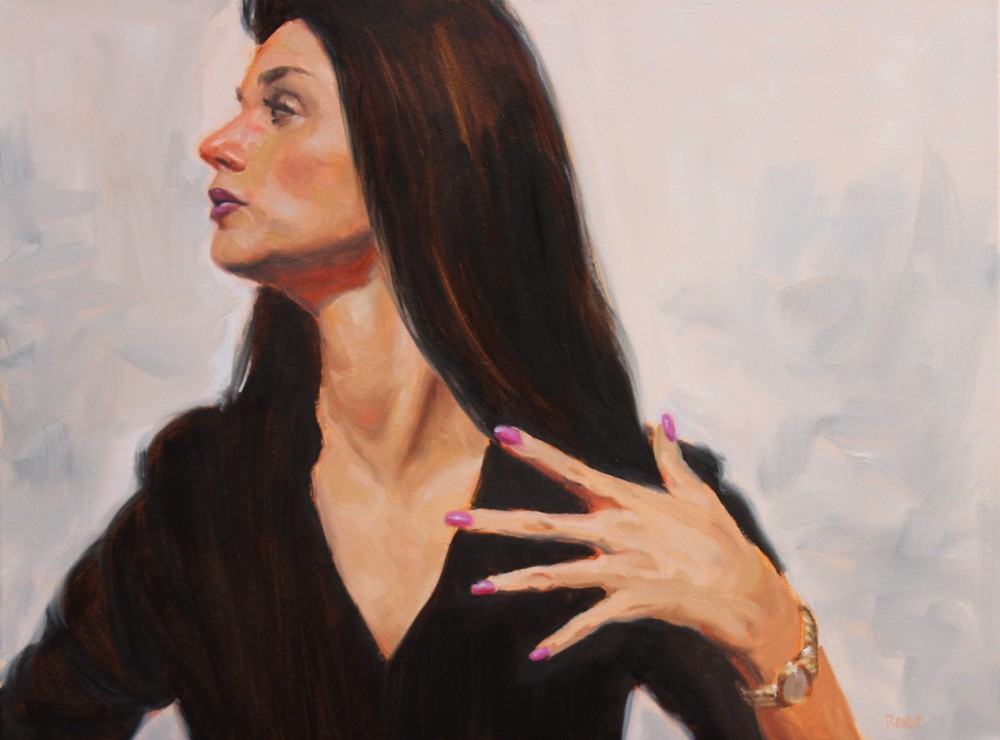
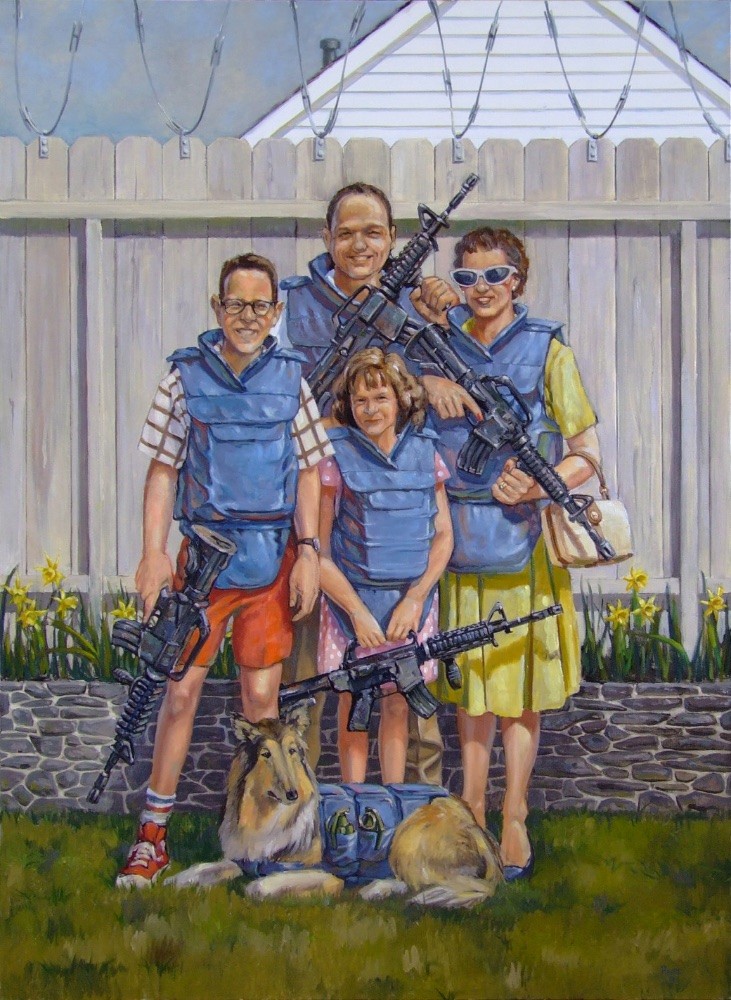
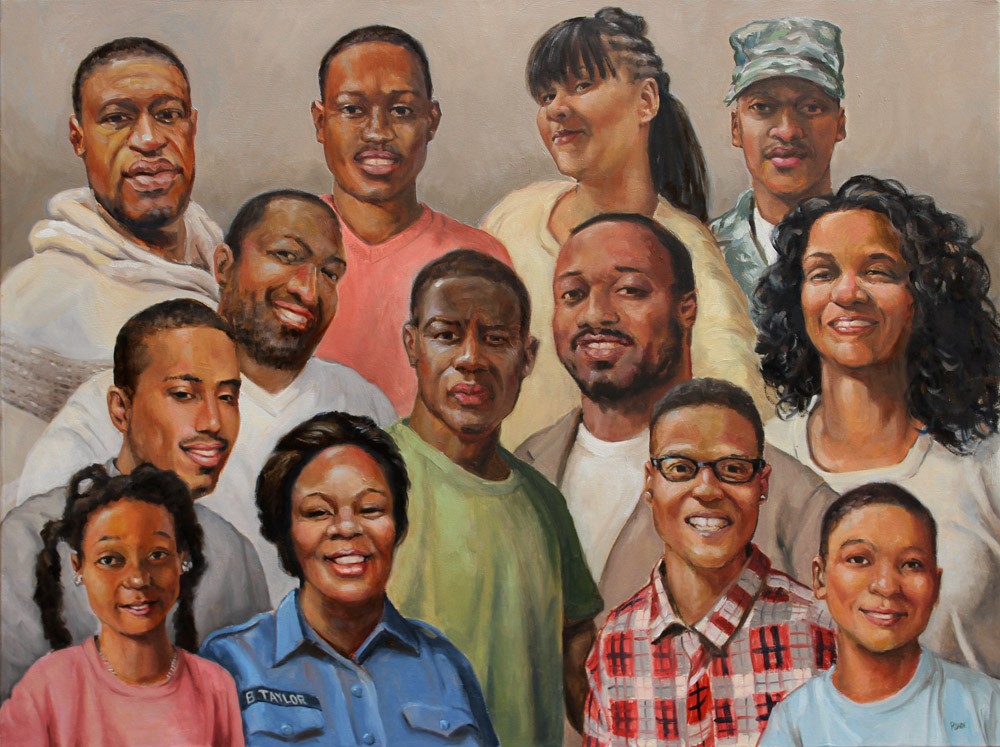
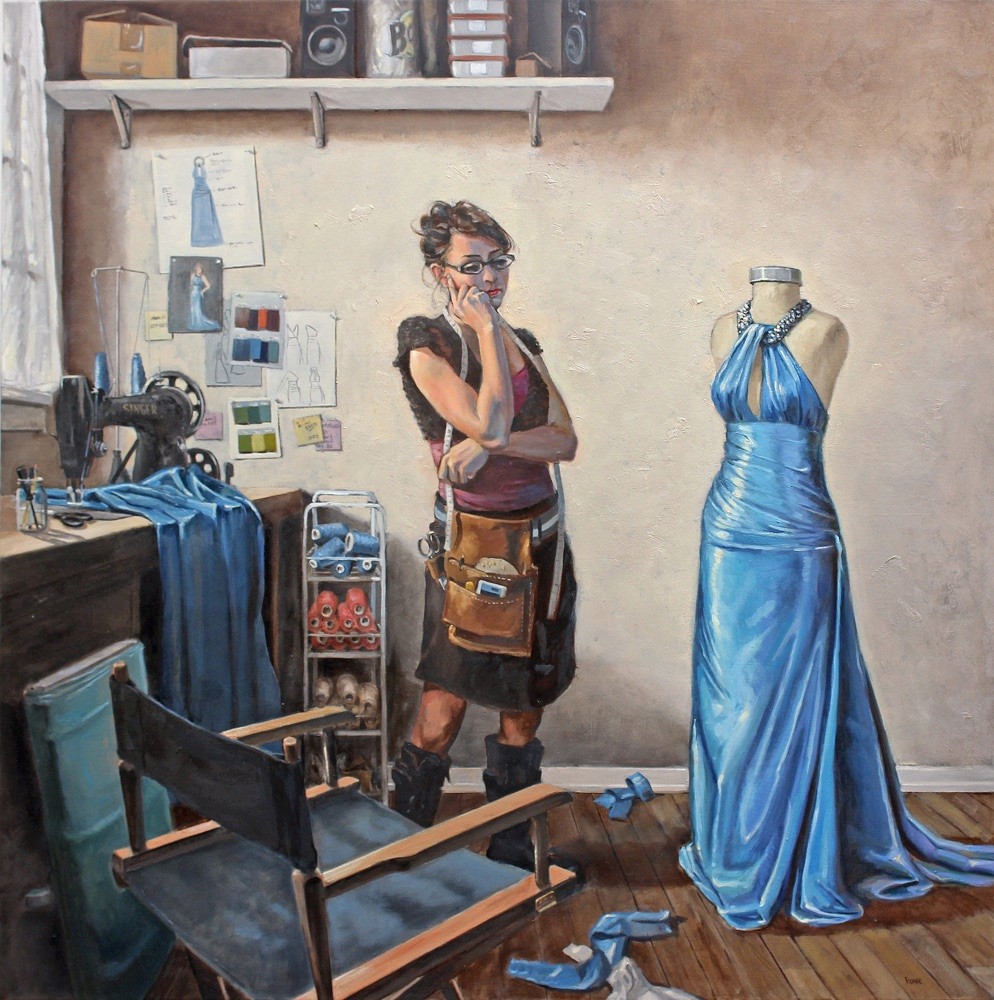
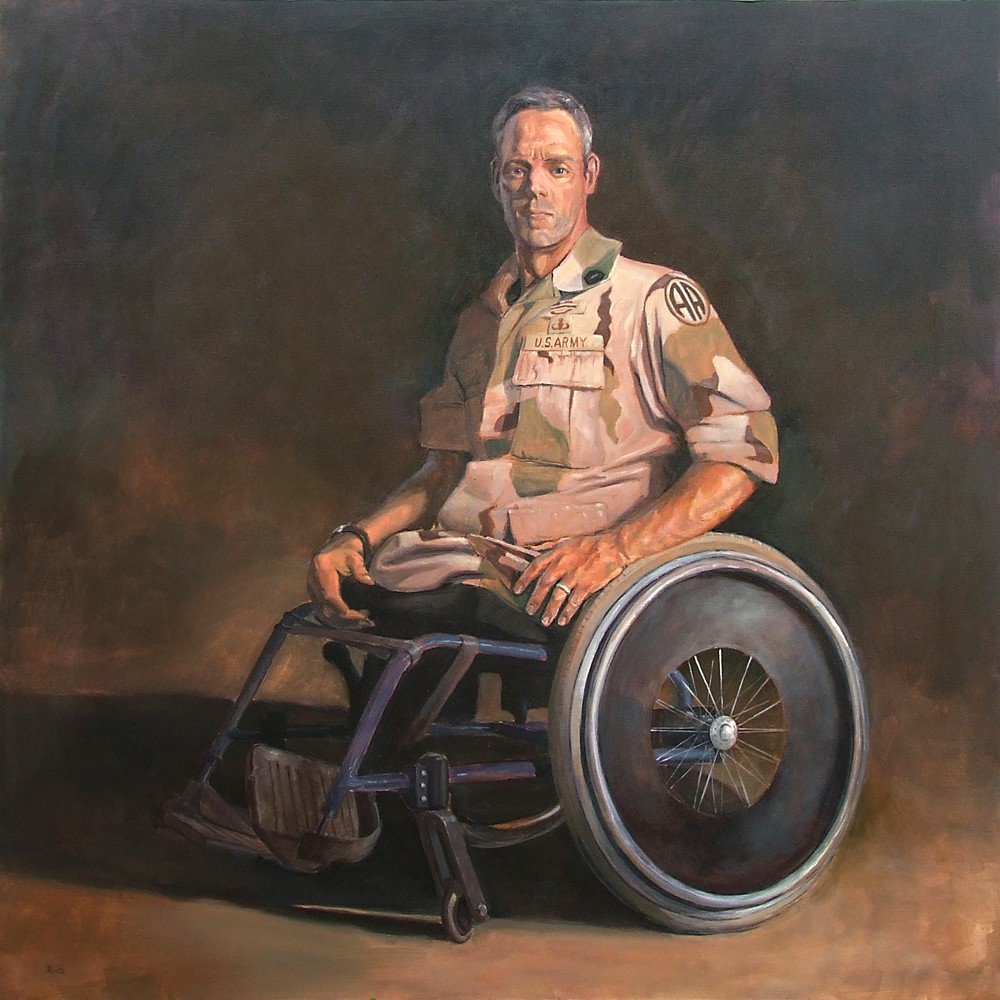 Image Credits
Rachael McIntosh Photography