


We recently had the chance to connect with Dr. Tasha Seiter MS, PhD, LMFT and have shared our conversation below.
Good morning Tasha, it’s such a great way to kick off the day – I think our readers will love hearing your stories, experiences and about how you think about life and work. Let’s jump right in? What do you think others are secretly struggling with—but never say?
I think so many of us humans are secretly struggling with the fear that we’re not truly lovable or that we’ll be abandoned if we show our real emotions. In EFT, we often see this deep, underlying attachment fear show up in the room when we allow the feelings space without judgement, ‘If I really show you my needs or my pain, will you still be there for me?’ Outside of the therapy room, most people don’t name that fear out loud, but it shapes so much of how they move through relationships. They might withdraw to protect themselves or protest when they feel alone, but underneath it all, there’s usually a longing to feel safe, seen, and held. And the heartbreaking thing is that longing is often mutual; we’re all just trying to find a secure place to land with each other.
Can you briefly introduce yourself and share what makes you or your brand unique?
Hi! I’m Dr. Tasha Seiter, a relationship therapist and the founder of Heart of the Matter Therapy, a group practice based in Fort Collins, Colorado and offering teletherapy across the state of Colorado. We specialize in helping couples reconnect and feel safe with each other again through Emotionally Focused Therapy (EFT). This research-backed approach helps our clients get to the root of their disconnection and build secure, lasting bonds.
What makes our practice special is our deep commitment to creating emotional safety, not just for our clients, but also within our therapist team. We believe in practicing what we preach: showing up with authenticity, compassion, and a belief that people heal in connection.
Outside the therapy room, I also share relationship science online, especially through my Instagram and YouTube (@dr.tasha.relationship.therapy) and my blog on Psychology Today (the Mindful Relationships Blog). My goal is to make evidence-based insights feel human and accessible, so that they feel like something you can actually use in your daily life or partnership.
Currently, I’m particularly excited about expanding our team so that we can help more clients!
Amazing, so let’s take a moment to go back in time. What breaks the bonds between people—and what restores them?
What often breaks the bonds between people is disconnection in moments that truly matter. For example, when one person reaches out in pain or vulnerability and doesn’t feel met, seen, or emotionally responded to, it can be incredibly wounding for the relationship. These moments can feel small on the surface, but over time, they add up and start to erode trust and safety in the relationship.
From an EFT lens, it’s not the conflict itself that breaks the bond; it’s the emotional disconnection underneath it. When people start to feel alone, like their partner isn’t emotionally accessible or responsive, it activates attachment fears, fears like: “Am I too much? Do I matter? Can I count on you?”
What restores bonds is creating new corrective experiences of emotional safety where one person risks reaching out vulnerably, and the other responds with care, empathy, and presence. That’s where healing happens. When couples can slow down, turn toward each other, and truly see the longing beneath the distress, they begin to move back into a secure connection. That’s the heart of the work I do. And it’s incredibly powerful to witness.
If you could say one kind thing to your younger self, what would it be?
If I could go back and have a chat with my younger self, I think I’d tell her, “You don’t have to earn your worth by getting everything right. It’s ok to stumble and make mistakes, even to struggle.” I spent a lot of years trying to be good enough by being perfect. I tried to please, perform, and anticipate everyone else’s needs. I wish I could have known earlier that I was already enough, just as I was. That I could be messy, uncertain, even struggling and still be deeply lovable.
I think our readers would appreciate hearing more about your values and what you think matters in life and career, etc. So our next question is along those lines. What are the biggest lies your industry tells itself?
One of the biggest lies our industry tells itself is that clinical neutrality is the gold standard or that we should stay removed, avoid too much warmth, or keep a rigid boundary between our humanity and our role as therapists. Real healing happens in authentic, emotionally attuned relationships! We’re wired for connection, and when a therapist shows up with genuine care and presence, that is often the most powerful intervention. In fact, the research supports that the therapeutic relationship is one of the greatest predictors of change in therapy.
Another lie is that therapists shouldn’t need support themselves or that if we’re good at our jobs, we won’t burn out, doubt ourselves, or struggle. Therapists are also human, and holding space for deep emotional pain day after day can be hard. It’s not weakness to need care, because needing support is natural and necessary.
And maybe the hardest one: that therapists can or should work in isolation. So many of us were trained to be lone wolves in private practice, when in reality, we need community, collaboration, and emotional safety just as much as our clients do. That’s a big reason why I created a group practice, to practice what we preach and give therapists the support they deserve.
Okay, we’ve made it essentially to the end. One last question before you go. What do you understand deeply that most people don’t?
Something I understand deeply that most people don’t always see is that so much of our conflict and reactivity in relationships isn’t about what it looks like it’s about. It’s not really about the dishes or the tone of voice.If you were in my chair, you’d see it’s about our longing to feel safe, valued, and emotionally connected. It’s about wanting to know that someone is there for us, no matter what, and that we are loved for who we are.
Underneath most disconnection is pain that hasn’t had a safe place to land. And when people are reactive, it’s often because they’re protecting something very tender inside, like fear, shame, or loneliness. If we could see each other through that lens, with compassion for what lies beneath, we’d relate to each other so differently. That’s one of the most powerful shifts I see in therapy: when people start to really understand their own emotions and their partner’s, not just intellectually, but in their bones. That’s when everything starts to change.
Contact Info:
- Website: https://marriage-counseling-fort-collins.com/
- Instagram: https://www.instagram.com/dr.tasha.relationship.therapy/#
- Linkedin: https://www.linkedin.com/in/drtashaseiter/
- Twitter: https://x.com/TherapyTasha
- Facebook: https://www.facebook.com/tasha.seiter.7
- Yelp: https://www.yelp.com/biz/dr-tasha-seiter-ms-phd-lmft-fort-collins
- Youtube: https://www.youtube.com/@dr.tasha.relationship.therapy
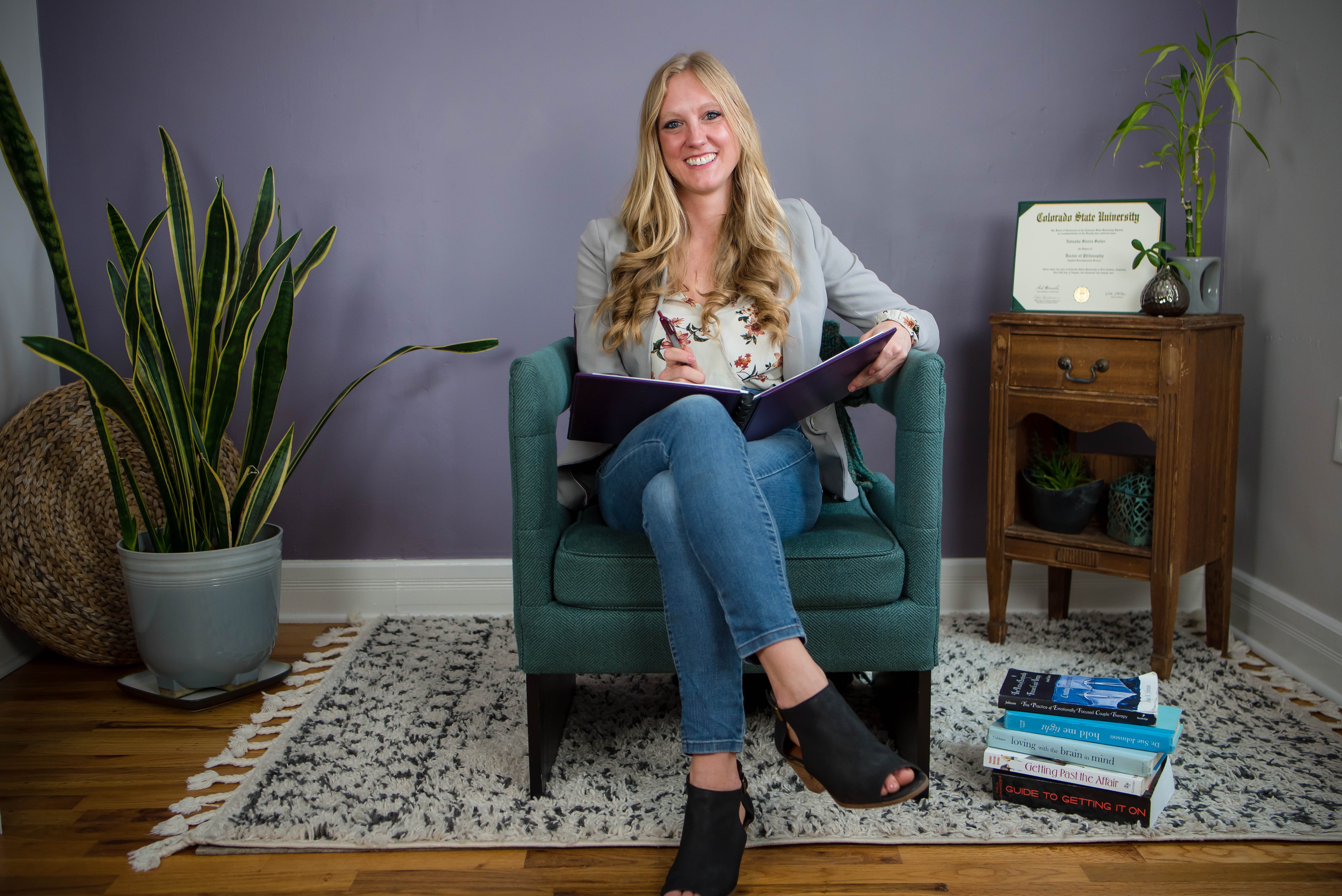
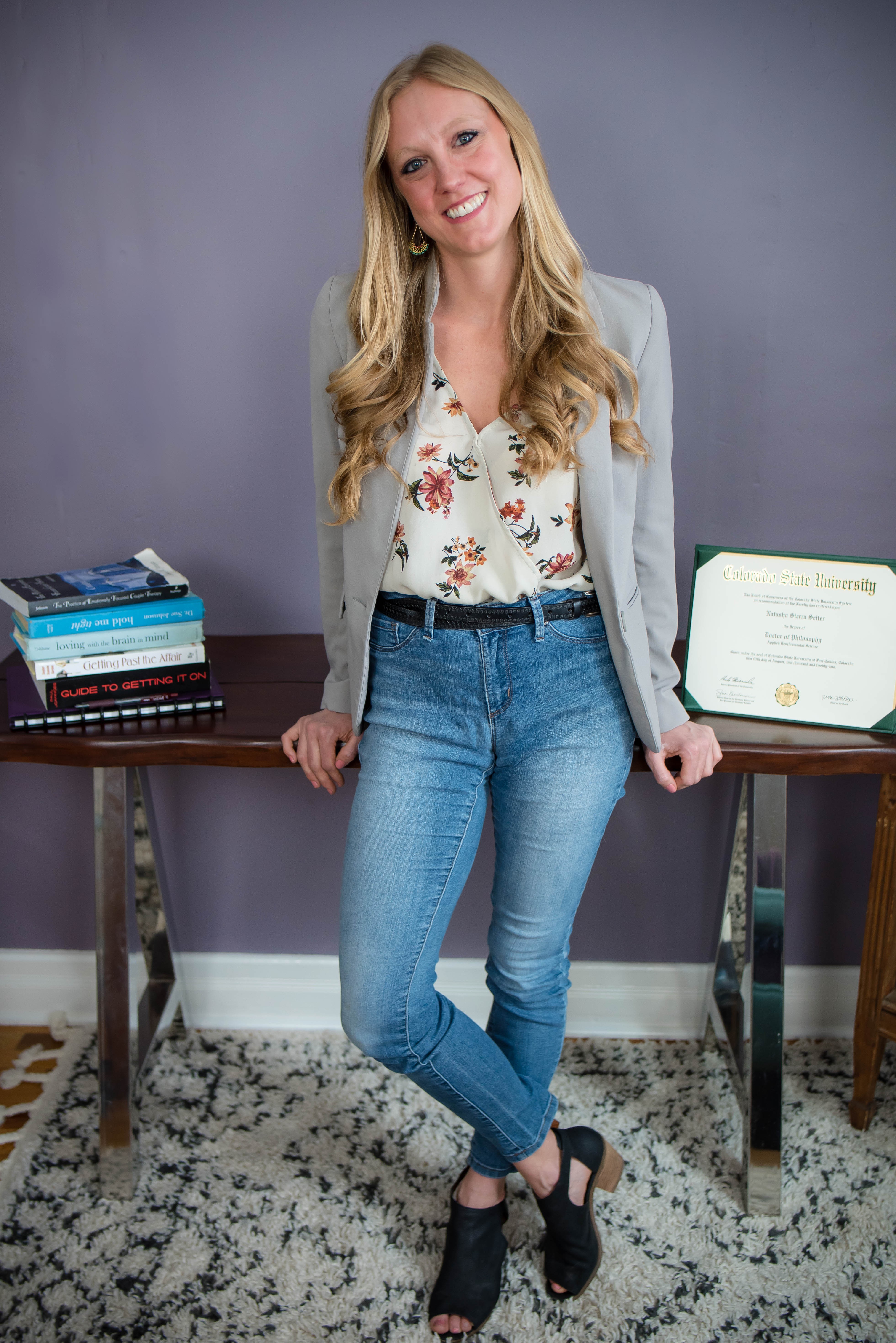
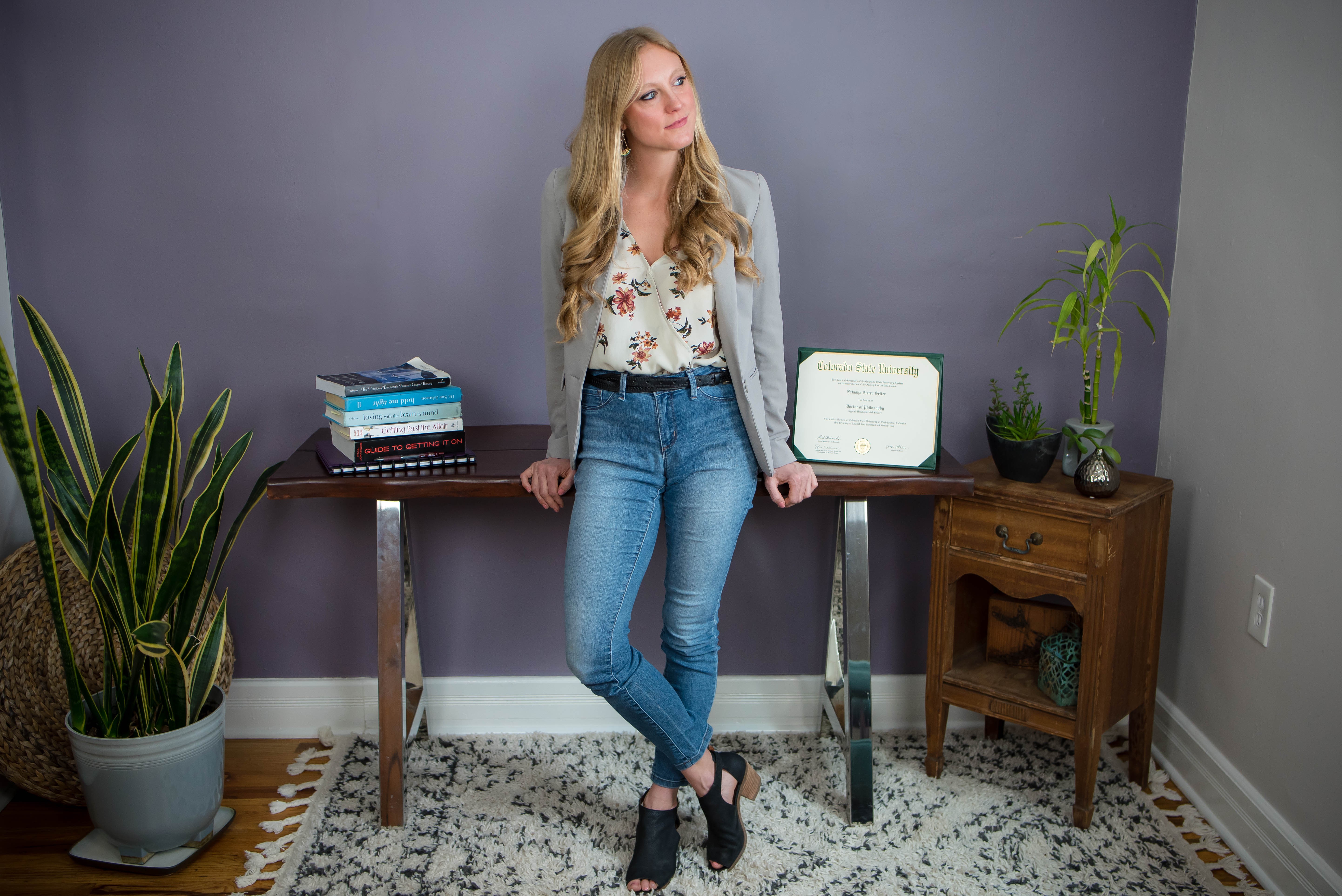
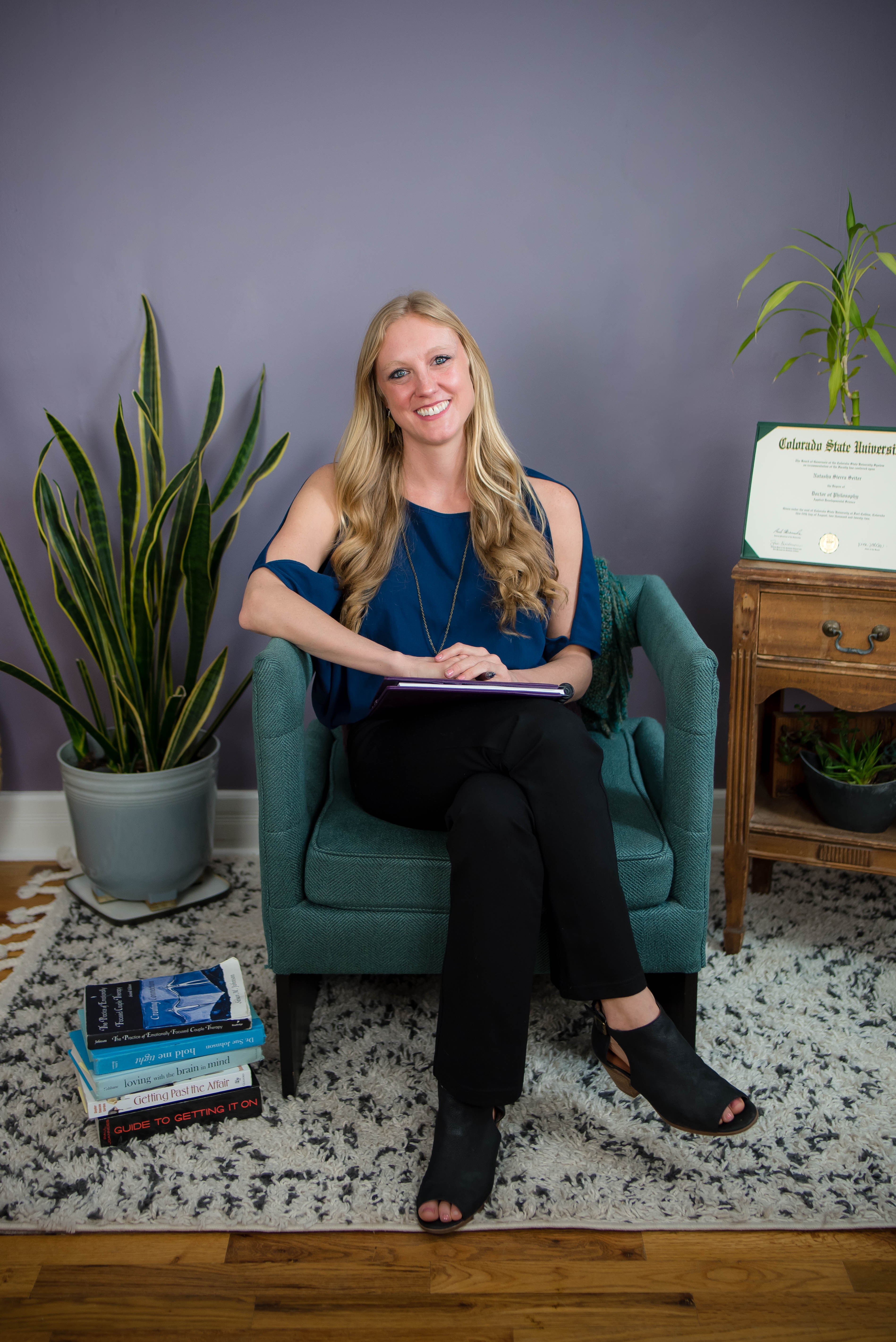
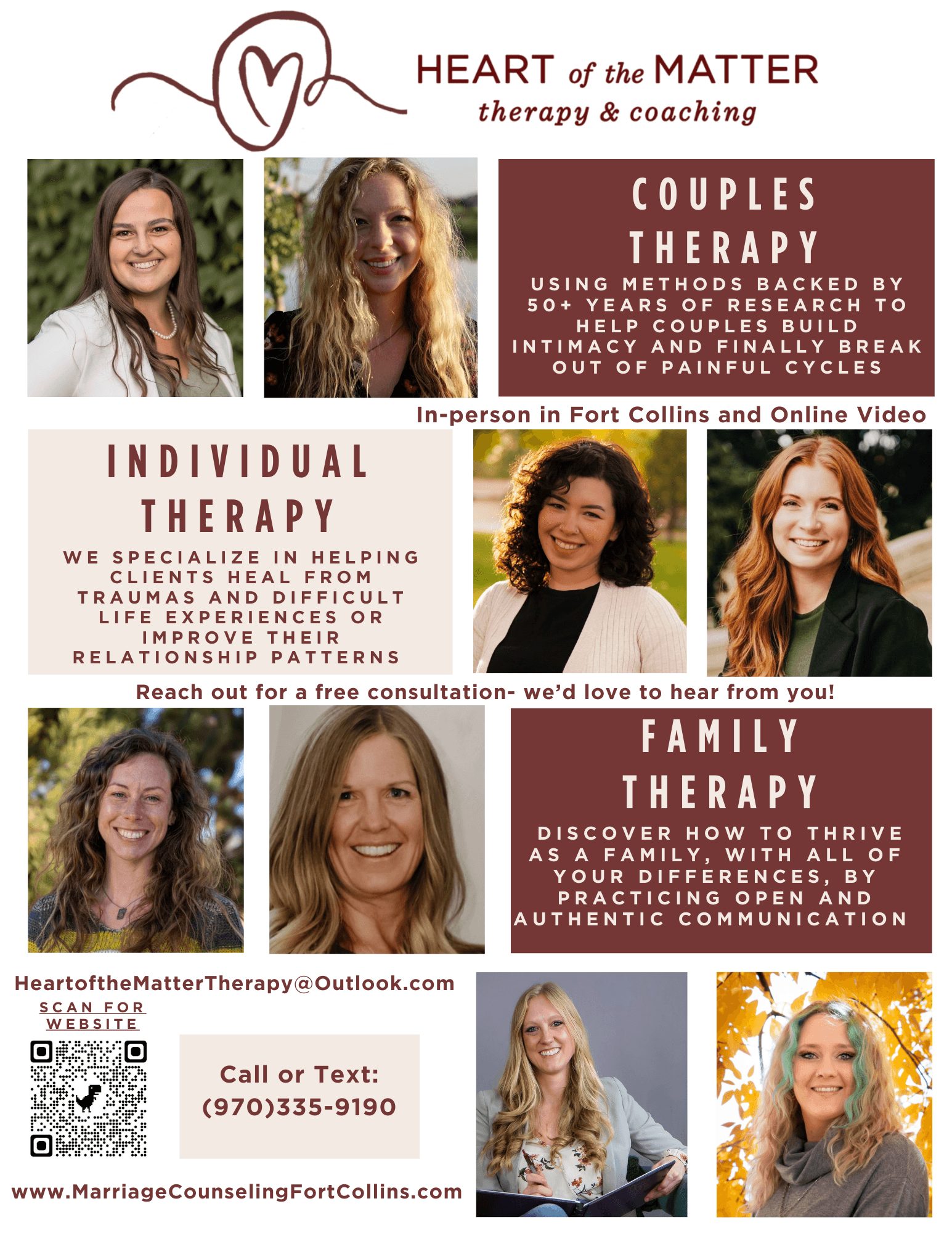

Image Credits
Janel at Soulful Images