

Today we’d like to introduce you to Ethan Decker.
Hi Ethan, we’re thrilled to have a chance to learn your story today. So, before we get into specifics, maybe you can briefly walk us through how you got to where you are today?
It started in a pretty odd place for a marketing story. I didn’t start in branding, advertising, or marketing. I didn’t even start in business. Nope: I started as a scientist.
I did a PhD in biology and complex systems, studying the behavior and dynamics of ecosystems, cities, road networks. How stuff flows. How patterns emerge. How order shows up without anyone actively managing it. That training permanently changed how I see the world. When you study a broad range of systems, you’re looking for laws that explain common patterns across things that, on the surface, look really different. You learn to look beyond idiosyncrasies and anecdotes to see the general trends.
Then I scrapped the science stuff to become a magazine editor and run a small pair of trade journals in Boulder that cover the world of outdoor education & recreation. I ran that for about two years — ran it right into the ground, in fact. Wanting to stay in Boulder, I basically wandered ass-backwards into market research. I joined a small qualitative research firm that sent me around the world (literally) interviewing people in their homes, in small focus groups, in friend groups, doing shop-alongs. From that job, I slid into a brand strategy role at a new ad agency in Los Angeles. I didn’t know what “brand strategy” was.
However, it didn’t take long to notice something fishy in the world of marketing and advertising. There was often a disconnect between the stories that marketing people told themselves and the actual data about brands and shoppers. The same “essential” strategies would work beautifully for one brand and completely flop for another. Case studies were cherry-picked to fit theories about how ads work. Explanations for “strong brands” were circular. And ideas like “brand love”, “brand loyalty”, “brand purpose”, and the “Unique Selling Proposition” were treated as universal truths, even when reality didn’t line up.
So I did what scientists do when things don’t add up: I went looking for the data.
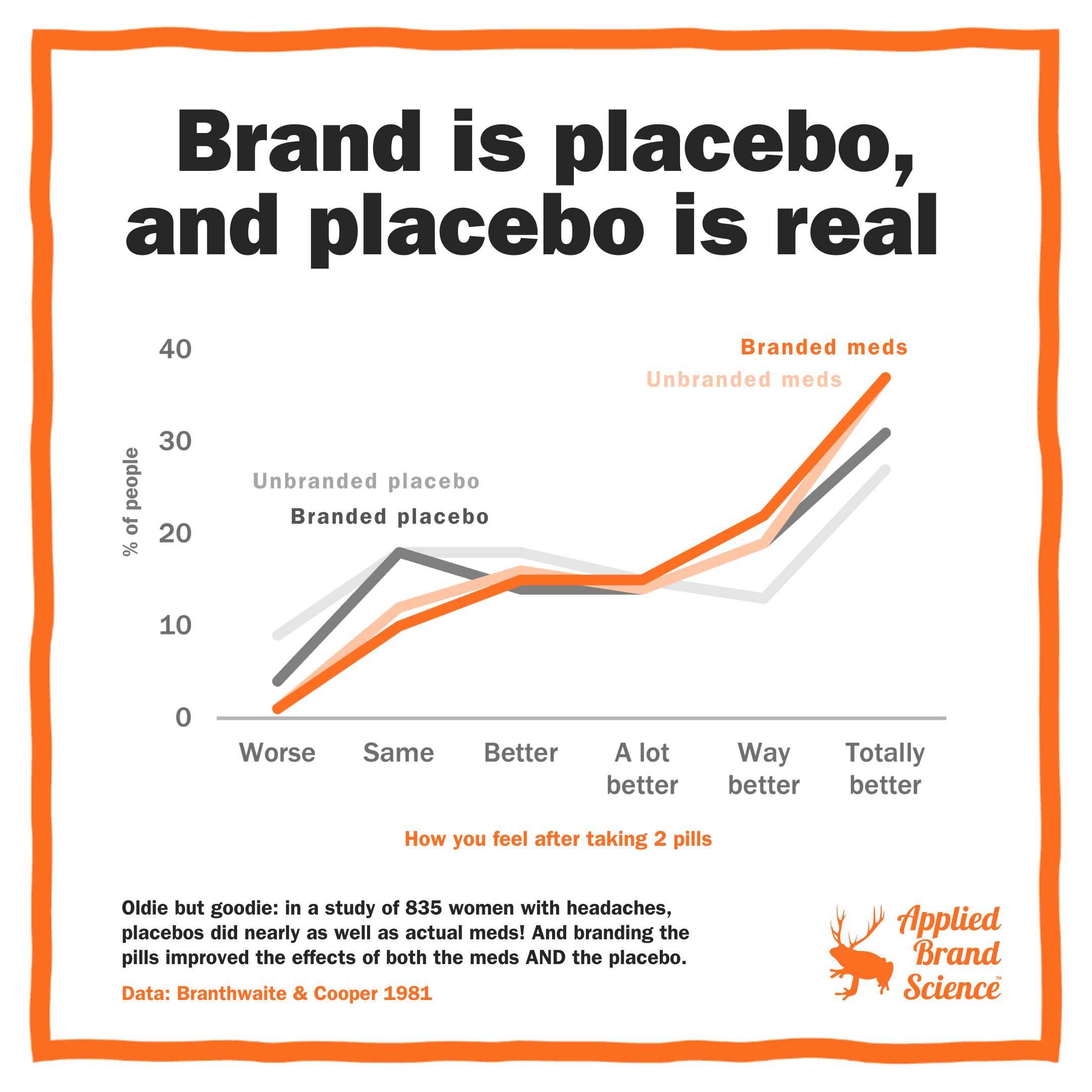
That’s when I discovered brand science—decades of empirical research on how people actually buy, how brands actually grow, and how markets actually behave. Not opinions. Not vibes. Patterns that repeat across categories, countries, and time.
For years, I sat in an in-between space: working in agencies, advising brands, and teaching teams, while quietly pressure-testing these scientific ideas in the real world. Watching the same laws show up again and again, whether people liked them or not.
Eventually, it became clear this couldn’t just be a point of view. It needed a home. That’s why I started Applied Brand Science.
Would you say it’s been a smooth road, and if not what are some of the biggest challenges you’ve faced along the way?
There are rarely smooth roads in business, and ABS is no exception. There’ve been two big challenges for the business.
The first is trying to summarize, synthesize, and simplify 70-odd years of marketing science. While I can read academic papers and understand a fair bit of statistics and math, I know lots of businesspeople don’t. So I wanted to make the science useful for as wide a group as possible. It’s taken a few years of trial and error to figure out what’s most important, as well as how to express it in ways that are simple and sticky for everyone, not just experts.
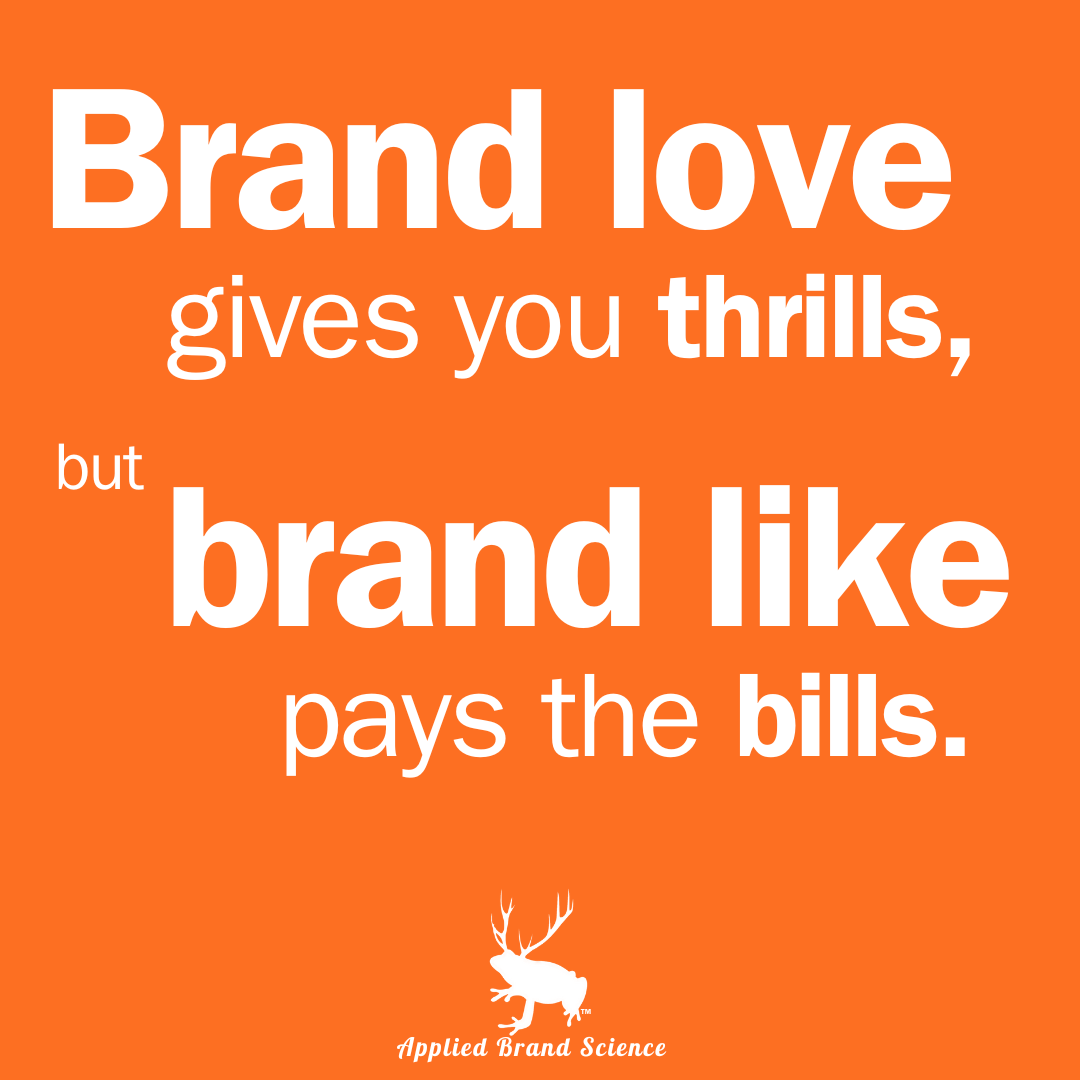
The second challenge has been essentially selling broccoli to people that want chocolate. Most of my clients are midsized and large consumer brands. And most people in that world want brand love, and “loyalty beyond reason”, and to create “passion brands” — all these things that the science undermines as pathways to growth and profit.
My first solution to this has been to limit my clientele to those who suspect that that “brand candy” isn’t entirely right, and have maybe even heard of this “brand broccoli” I speak of. So that’s worked. These are people who are ready to try something new, to hear the science, and to use it.
But the harder work has been reframing what I offer — a science-backed, empirical path to brand growth — in some of the trappings of the candy people believe they want. It’s like the classic tension of a great movie: the hero WANTS one thing, but in fact NEEDS another. So I have to craft experiences for people where they get to pursue what they want, but along the way they realize that they actually need something a little different. That’s tough because I don’t want to do a bait-and-switch. So instead I focus on the results people want: revenue, growth, profit. Then I craft experiences that help them see for themselves that “brand candy” isn’t the way to brand health.
As you know, we’re big fans of Applied Brand Science . For our readers who might not be as familiar what can you tell them about the brand?
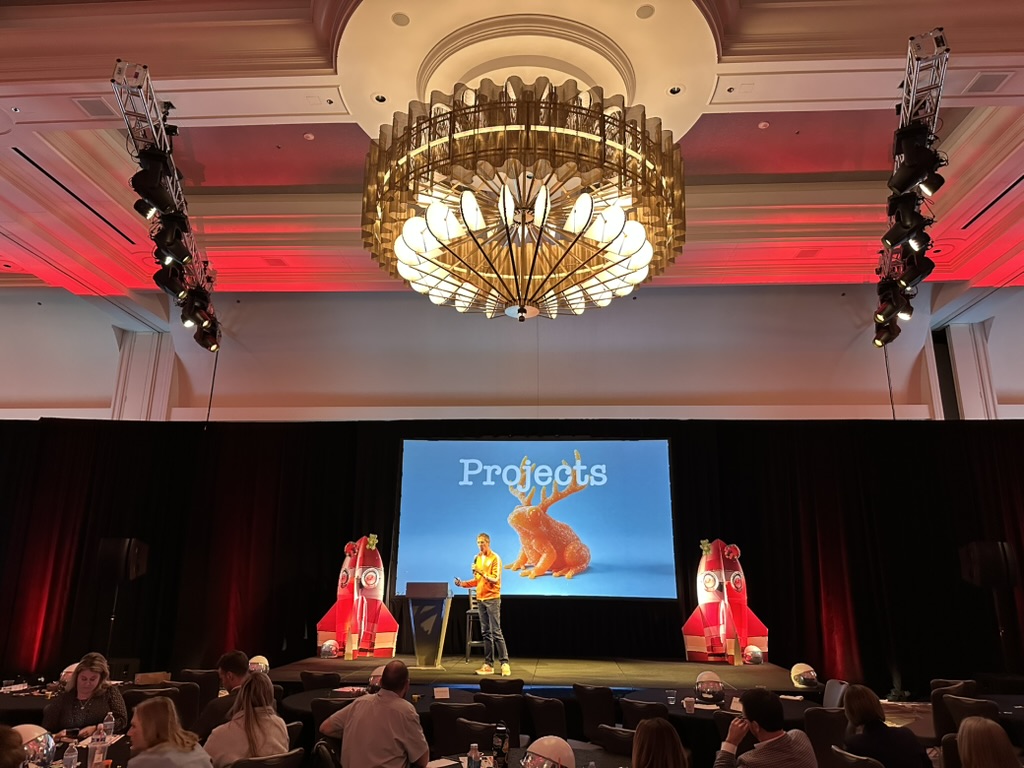
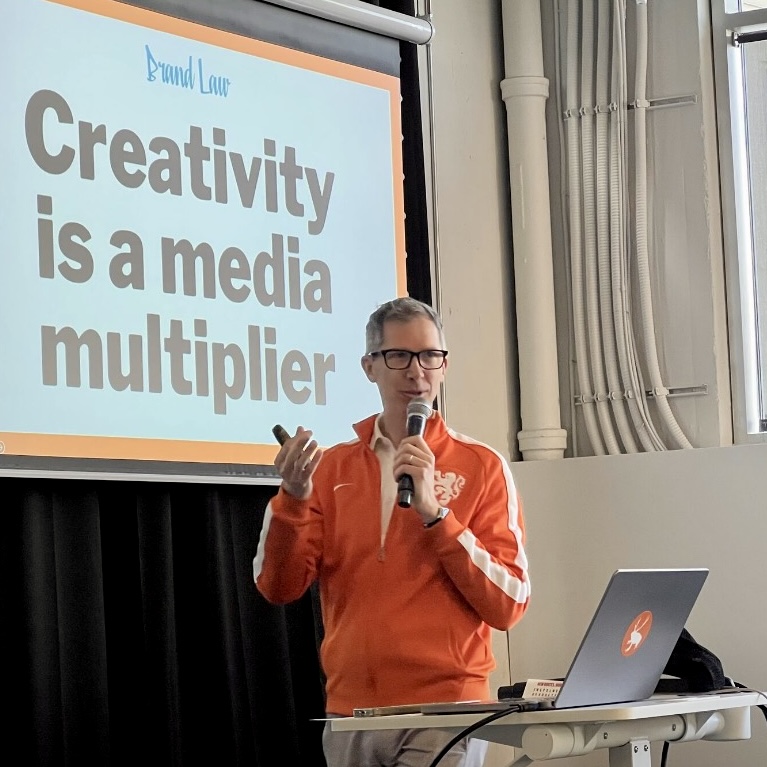
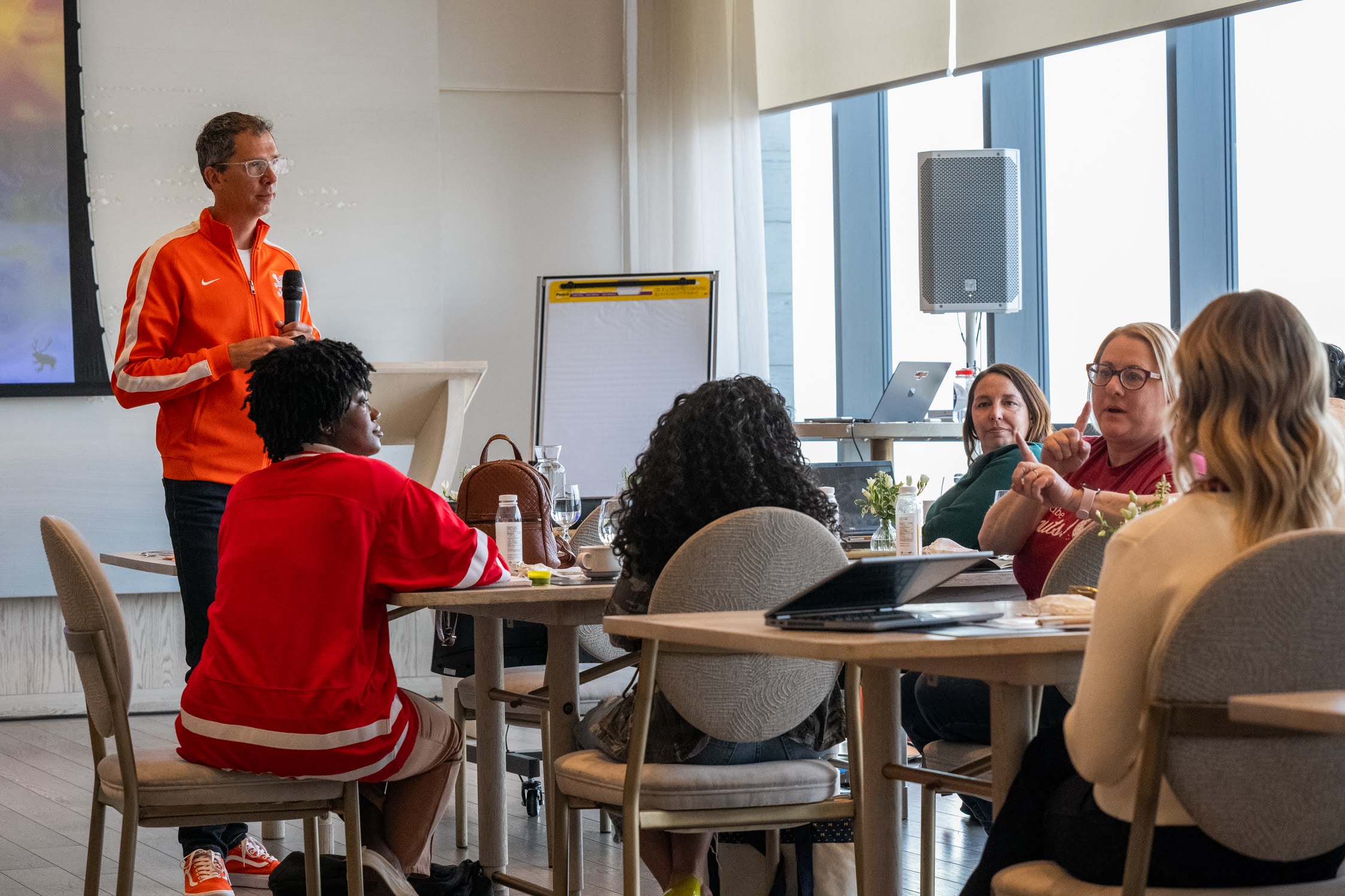
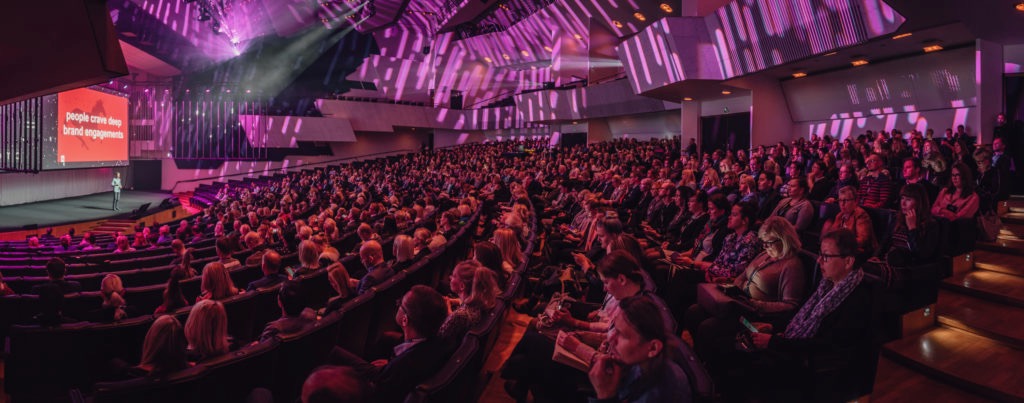
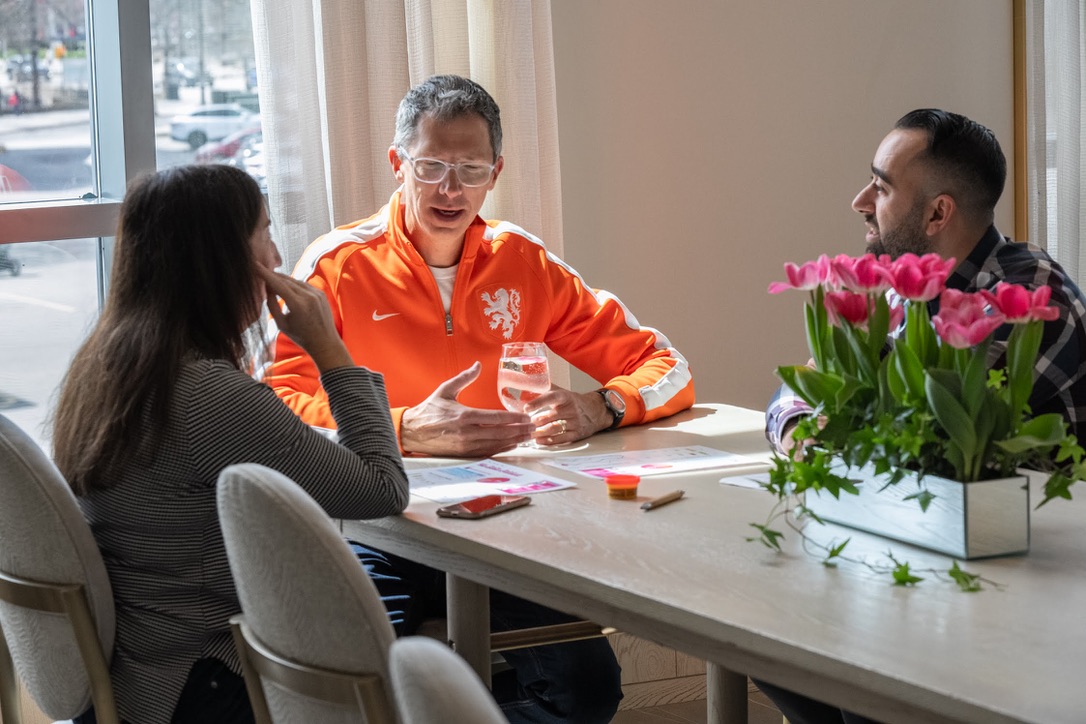
We really do two things now at the company. The main one is teaching the laws of brand science. So we do a fair number of trainings, workshops, talks, and keynotes. These are in high demand, because, well, “teach a man to fish….” People love the simplicity, the usefulness, and the effectiveness of what we teach. Equally important, they love the confidence they get when they have a more objective approach to marketing, since so much of marketing feels so subjective.
The other thing we do is fix and launch brands. We work with a select few clients each year to actually do their brand strategy — segmentation, targeting, positioning, brand idea, campaign ideas, distinctive assets, etc. This is more of the “give a man a fish” work. Which is still great work, and very rewarding. But of course we often teach a fair bit of brand science while doing it.
One of the things that surprises people — especially small local business owners — is how consistent those patterns are across industries and geography. The same forces that shape the growth of large brands also apply at a neighborhood scale. The same dynamics you see in footwear show up in local cafes and regional nonprofits.
Applied Brand Science helps teams focus on those fundamentals. That often means stepping away from ideas like loyalty as a goal, persuasion as the primary lever, or differentiation as something buyers actively evaluate — and instead concentrating on being consistently noticeable, easy to remember, and easy to choose over time. And while it’s not easy for the business owner, they have to make it easy for the shopper: easy to notice the ad, easy to like it, easy to remember which brand it’s for, easy to find, easy to shop, easy to pay for. Easy easy easy.
For smaller businesses in particular, realizing that there are universal laws can be freeing. You don’t need a massive budget or a constant stream of new tactics. And you rarely need to reinvent the wheel of marketing, brand-building, and advertising. In fact, one thing I advise small businesses frequently is to figure out what kind of business they are, look around for successful businesses like their own, understand the “playbook” those businesses are playing, and then, quite simply, copy that playbook. For a small company with few resources and lots of doubts about what’s the “right” thing to do, this is a huge relief, and a huge help.
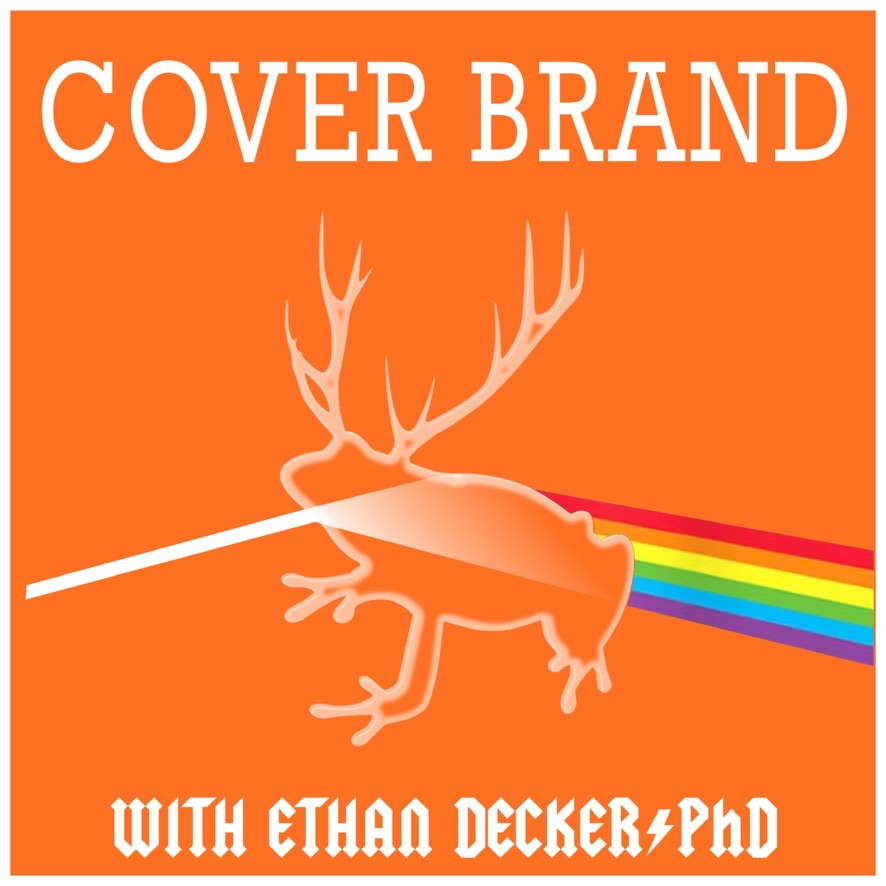
For people who want to see how those ideas show up in practice, the Cover Brand Podcast offers a nice window. It’s like a call-in show; think “Car Talk” for brands. Guests share their business problems, and I provide advice. I teach a little brand science concept, and then I show them how to use it right away on their business. The conversations show how brand science plays out in real businesses, and how easy it can be to adopt an evidence-based approach to marketing. It’s meant to help listeners connect these theories to everyday decisions
We’re proud of what we’re building at Applied Brand Science. We love helping businesses make clearer brand and marketing decisions by learning the magical power of brand science. And we love the confidence and clarity it gives them.
Are there any apps, books, podcasts, blogs or other resources you think our readers should check out?
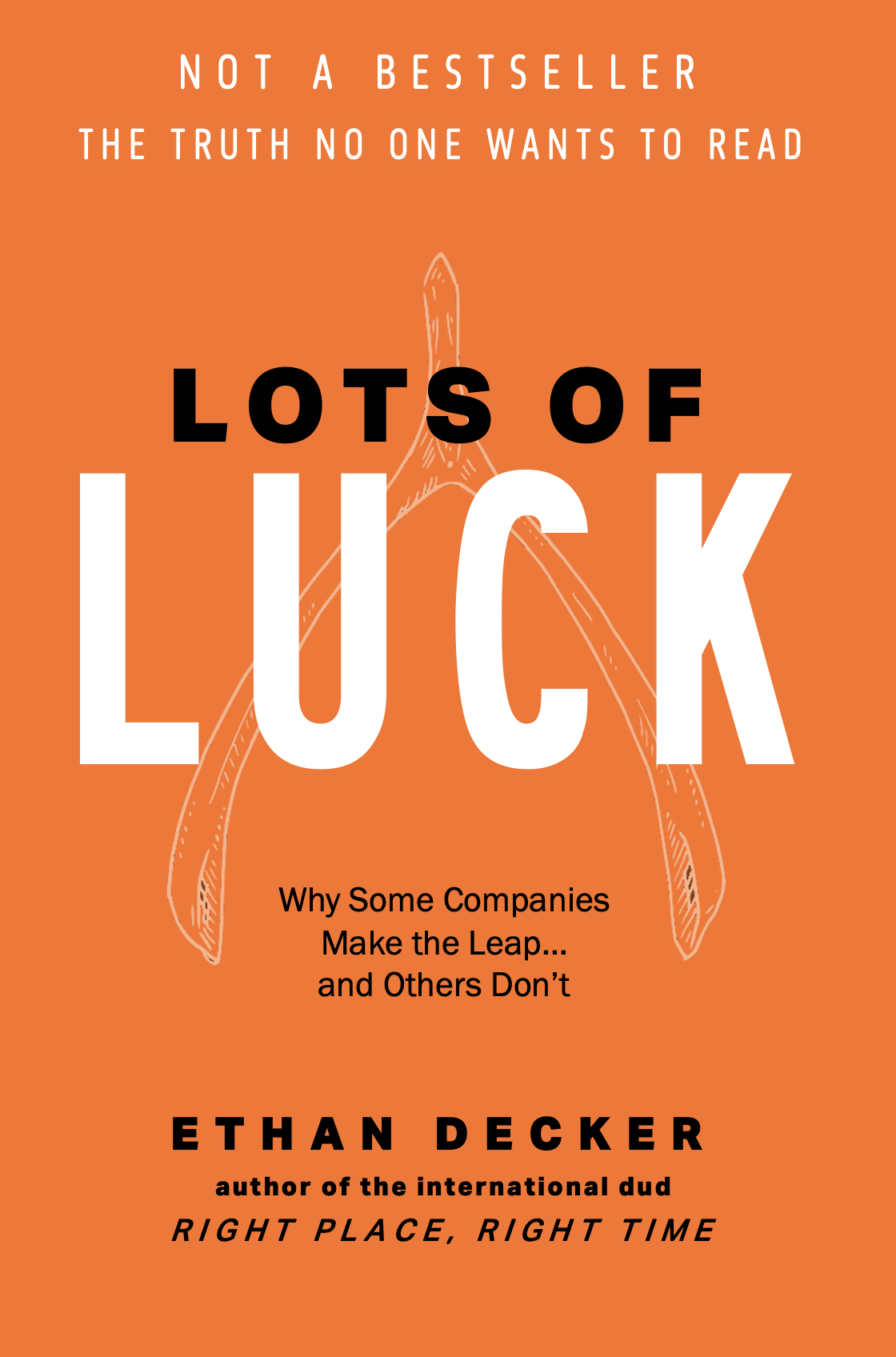
Alchemy, by Rory Sutherland
Creativity, a Short & Cheerful Guide, by John Cleese
Marketers Are From Mars, Consumers Are From New Jersey, by Bob Hoffman
Uncensored CMO podcast, by Jon Evans
Tagline Podcast, by Muse By Clio
Listen to the cover songs mentioned on Cover Brand on our spotify list: https://www.appliedbrandscience.com/coverbrand#officialplaylist
And the books mentioned in our bookshop list:
https://bookshop.org/lists/cover-brand
Contact Info:
- Website: https://www.appliedbrandscience.com/
- Instagram: https://www.instagram.com/appliedbrandscience/
- Facebook: https://www.facebook.com/AppliedBrandScience/
- LinkedIn: https://www.linkedin.com/in/ehdecker/
- Twitter: https://x.com/ehdecker
- Youtube: https://www.youtube.com/@appliedbrandscience
- Other: https://www.appliedbrandscience.com/coverbrand