


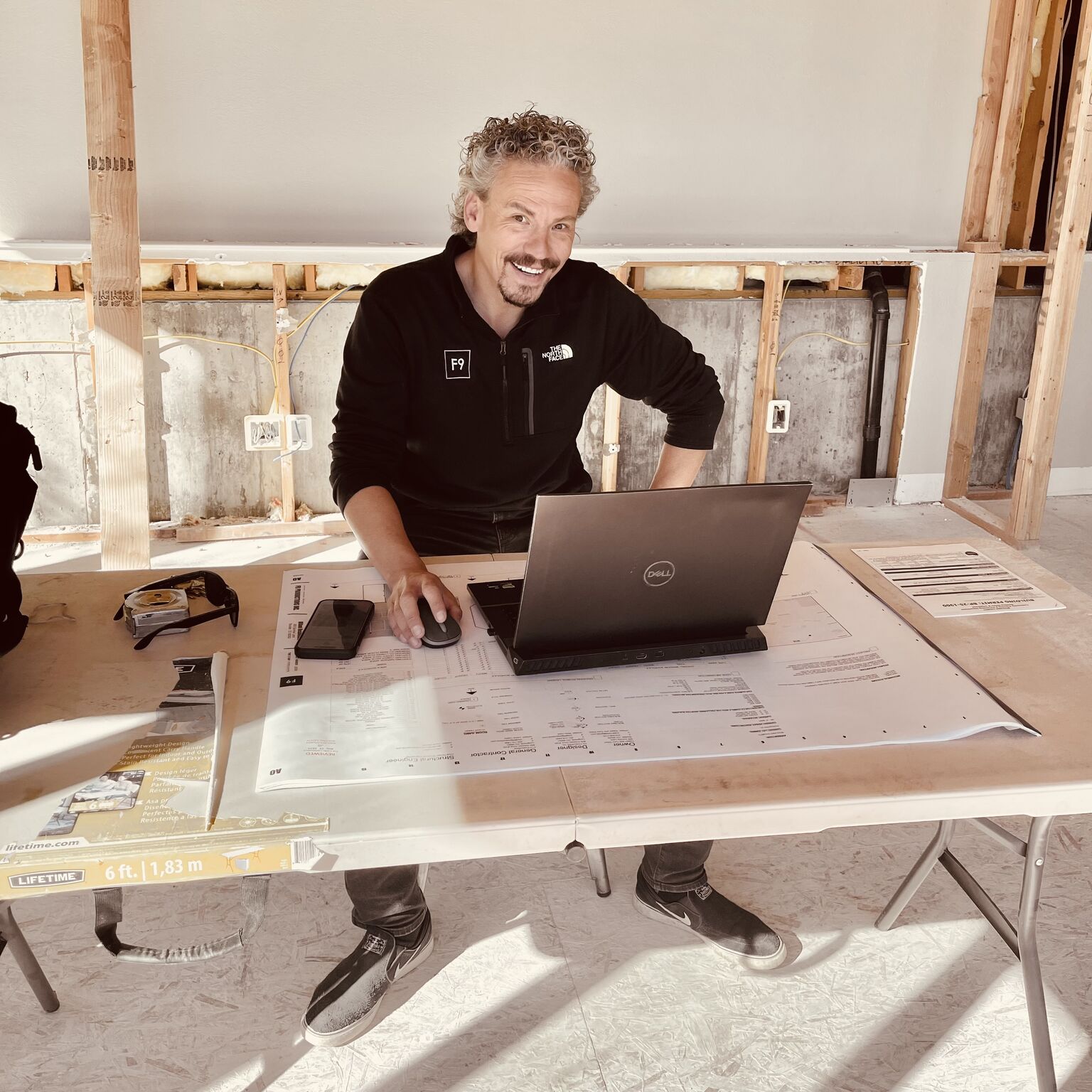
Today we’d like to introduce you to Lance Cayko.
Hi Lance, we’re thrilled to have a chance to learn your story today. So, before we get into specifics, maybe you can briefly walk us through how you got to where you are today?
My story is one of resilience, hands-on grit, and a relentless pursuit of freedom from financial anxiety. It’s all woven into a career that blends architecture, entrepreneurship, and community impact. I was born and raised in rural Northwest North Dakota in the early 1990s. I came from a lower-middle-class family where money was often tight. My parents taught me that having money isn’t everything, but I later added Kanye West’s twist: but not having it is. This view turned my childhood financial worries, and even bullying from it, into big motivators. Instead of holding grudges, I channeled that energy into doing better. It’s like how Michael Jordan got cut from his high school varsity team and used it to fuel his drive. Those early tough spots taught me to double down on practice and hard work when facing rejection. That’s a principle that’s stuck with me.
Starting at age 13, I jumped into construction. I spent summers working for different general contractors, learning trades like roofing and framing. Those weren’t just jobs. They showed me the economics of service businesses and the joy of building something real. I dreamed of being a general contractor, so I got a degree in Building Construction Technology at North Dakota State College of Science. During a capstone project where we built a single-family home, I started questioning the architects’ choices. Why did they draw things that way? That curiosity led me to North Dakota State University, or NDSU. There, I earned a Bachelor of Science in Environmental Design and a Master of Architecture. I met my future business partner, Alex Gore, and graduated at the top of my class. I even won the McKenzie Thesis Award for my thesis. Alex and I clicked right away. I’m the pragmatic Spock to his visionary Kirk, and that balance has been key to our success.
Right after grad school, I moved to Longmont, Colorado, and joined a boutique architecture firm in Boulder. But the Great Recession hit hard, and I got laid off in late 2009. That showed me a big flaw in the industry: architects often lack strong business smarts and customer focus. I promised myself I’d never deal with that instability again, or put a team through it. So Alex and I started F9 Productions in 2010. We began small, with no built projects and revenue under six figures. We worked from basic setups. To get clients without a portfolio, we modeled designs as if they were done, ran funny Craigslist ads, and answered inquiries fast, usually within an hour. We got good at digging into client concerns by asking things like, help me understand what’s driving this project. Then we’d reframe those worries to build trust.
We grew through toughness and smart ideas. We went vertical, adding F12 Productions for real estate development and F14 Productions for construction. Wearing multiple hats lets us earn across architecture, development, and building. It cuts reliance on outside clients and helps handle stuff like city red tape and worker shortages. One highlight is our first big development, Mark II. It’s an infill spot in Longmont with eight townhome-style condos and our office on a third-acre lot.
As an architect and builder, I live by Louis Sullivan’s idea that form follows function. I prioritize what works in real life, but still aim for designs that look great and innovate. F9 focuses on single-family homes, multi-family spots, and small commercial work. We’ve done cool projects like the Atlas tiny house, a 196-square-foot home on wheels that was on HGTV’s Tiny House, Big Living in 2015. There’s also the energy-efficient East Watch custom home and urban infill like Roots in Downtown Fargo. Awards include the 2016 Architizer A+ for Architecture + Living Small, number one in BizWest’s 2021 Mercury 100 for 386 percent growth, and 2023’s Best Architecture Firm in the Best of Mile High Awards. Our nine principles stress empathy, since home projects involve over 2,000 decisions that can overwhelm folks. We push quick chats and being okay with saying I don’t know, so we tap experts.
Personally, I’ve taken to modern stoicism from books like Marcus Aurelius’s Meditations and Stephen R. Covey’s The Seven Habits of Highly Effective People. I zero in on what I can control: money, family, and getting better. I skip the outside noise. Stuff like tough hikes, say a 17-mile one at 11,000 feet for fishing, or family walks keeps me mindful and present. It helps dodge burnout with smart time use. As a serial entrepreneur, I co-host the top-ranked Inside the Firm podcast, teach at the University of Colorado Boulder and NDSU, and started Longmont Community Gardens. That’s a non-profit for urban sustainable gardening and education. Today, at 43 and in my third life, F9 Productions is one of Colorado’s top architecture firms. It’s proof that turning hurdles into chances works, all while keeping discipline, optimism, and order front and center.
We all face challenges, but looking back would you describe it as a relatively smooth road?
No, my road hasn’t been smooth—it’s been a rugged path marked by early financial anxieties in rural North Dakota, bullying that built my grit, and a first-gen college journey as a young dad juggling isolation, scholarships, and extra theses to avoid debt. The Great Recession crushed my first architecture job after just nine months, a heartbreaking layoff that exposed poor business practices and propelled me to co-found F9 Productions unlicensed in 2010 amid skepticism from friends who called it insane. As a minority architect from the Turtle Mountain Band of Chippewas, I’ve navigated stereotypes, odd questions about my heritage, and a field where only 22% are minorities, turning these into motivation via stoicism and the law of polarity—flipping negatives to positives.
Appreciate you sharing that. What should we know about F9 Productions Inc.?
F9 Productions is Colorado’s top rated architecture firm headquartered in Longmont, Colorado, established in 2010 by Lance Cayko and Alex Gore amid the aftermath of the Great Recession. Born from Cayko’s layoff experience, which highlighted flaws in traditional architecture practices like poor business focus and client service, F9 was designed to prioritize customer-centric innovation and stability. The firm has evolved into a vertically integrated powerhouse, incorporating F12 Productions for real estate development and F14 Productions for construction execution. This structure allows F9 to oversee projects from initial design concepts through to final building, earning fees across multiple stages while mitigating risks associated with external dependencies, city bureaucracies, and market fluctuations. For instance, their self-imposed “15-minute rule” limits project locations to nearby areas for better scheduling and oversight, and they favor familiar typologies like townhomes to minimize uncertainties in financing and execution.
Specializing in single-family homes, multi-family residential developments, and small commercial spaces, F9 is known for adhering to Louis Sullivan’s “form follows function” principle, ensuring designs are practical, aesthetically pleasing, and tailored to real-world needs. Notable projects include the Atlas tiny house—a 196-square-foot mobile home featured on HGTV’s “Tiny House, Big Living” in 2015—the energy-efficient East Watch custom residence, and urban infill like Roots in Downtown Fargo and Mark II in Longmont, which combines eight townhome-style condos with office space on a compact third-acre lot. Their work emphasizes sustainability, craftsmanship, and client empowerment, navigating the overwhelm of over 2,000 decisions in a typical home project with empathy and clear communication. F9’s reputation is bolstered by prestigious awards: the 2016 Architizer A+ Award for Architecture + Living Small, a #1 ranking in BizWest’s 2021 Mercury 100 for 386% growth, and the 2023 Best Architecture Firm in the Best of Mile High Awards, reflecting rapid expansion from under six figures in early revenue to a multi-million-dollar operation.
What sets F9 apart from competitors is its holistic, multi-hat approach that reduces client vulnerabilities—unlike firms reliant on subcontractors or external contractors, F9 and F14 control quality and timelines internally. Their nine guiding principles include rapid responses (within one hour, even if just to set expectations), getting comfortable saying “I don’t know” to consult experts, and proactive networking with developers through targeted proposals. Additionally, F9 addresses industry challenges like trades shortages and over-regulation by advocating for deregulation and venerating skilled labor, while their in-house capabilities allow quick adaptations to trends such as Colorado’s Accessory Dwelling Unit (ADU) legislation.
Brand-wise, I am most proud of F9’s resilient origins—transforming personal setbacks like childhood financial anxiety and bullying into a drive for independence—and its commitment to community impact. As a serial entrepreneur, Cayko founded Longmont Community Gardens, a nonprofit promoting urban sustainable gardening and education, and co-hosts the globally top-ranked “Inside the Firm” podcast, sharing insights on architecture and business. He also lectures at the University of Colorado Boulder and North Dakota State University, mentoring the next generation. This multifaceted brand embodies modern stoicism, influenced by books like Marcus Aurelius’s “Meditations” and Stephen R. Covey’s “The Seven Habits of Highly Effective People,” focusing on controllables like finances, family, and self-improvement amid chaos. Activities such as strenuous hikes (e.g., 17-mile treks at 11,000 feet for fishing) reinforce mindfulness and work-life balance, preventing burnout in a high-stakes field.
Readers should know that F9’s brand is about more than buildings—it’s about creating freedom from anxiety through empathetic, efficient services that deliver tangible value. Offerings include comprehensive architecture (from sketches to permits), development (infill and spec projects), and construction (in-house execution for quality control), all with a focus on accessibility for everyday clients rather than just the elite. Whether it’s a custom energy-efficient home, multi-unit residential development, or boutique commercial space, F9 empowers clients with transparent processes, quick problem-solving, and innovative solutions that blend functionality with inspiration.
Do you have any advice for those just starting out?
For those just starting out in architecture or entrepreneurship, my top advice is to know yourself deeply—play the hand you’re dealt, whether it’s a tough background or unique strengths—and focus on controllables like finances, family, and self-improvement while embracing stoicism to flip negatives into positives. Seek scholarships aggressively as a first-gen or minority student, build your portfolio during breaks instead of vacations, get licensed early for more opportunities, and join communities like EntreArchitect for support. I wish I’d known sooner how crucial business acumen and client empathy are over pure design ego, the value of quick responses and sales training to win work without a big portfolio, and not to sweat small stuff like site mishaps, trusting that positives follow every challenge.
Contact Info:
- Website: https://f9productions.com
- Instagram: https://www.instagram.com/f9productions/
- Facebook: https://www.facebook.com/F9ProductionsInc/
- LinkedIn: https://www.linkedin.com/company/f9-productions-inc.
- Twitter: https://x.com/F9Productions
- Youtube: https://www.youtube.com/channel/UCkjepLcKfYoxjTphkAGjwVg
- Soundcloud: https://soundcloud.com/user-444216029/sets/inside-the-firm-playlist
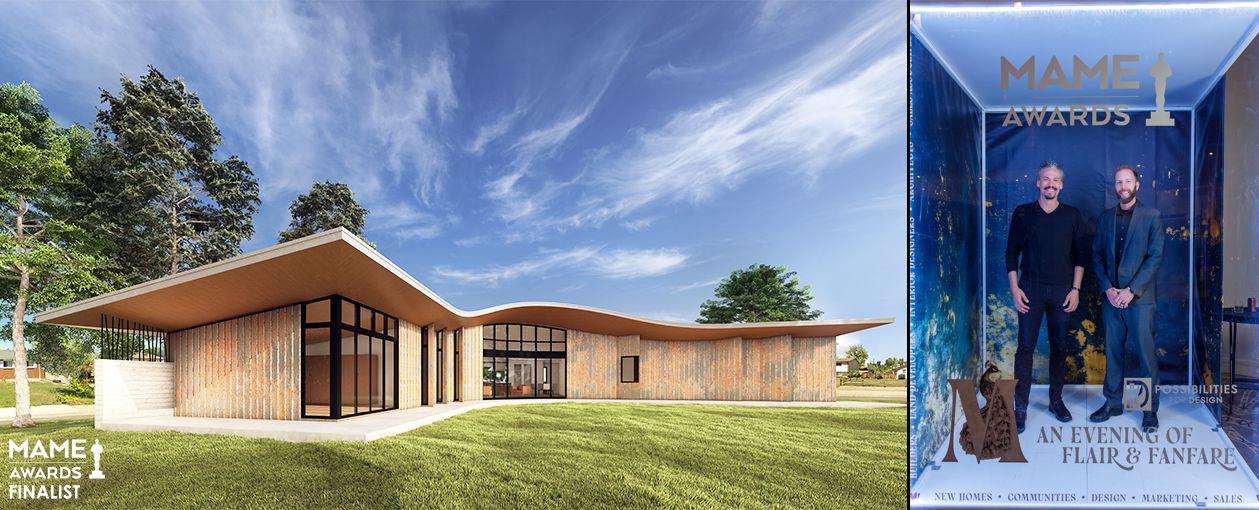
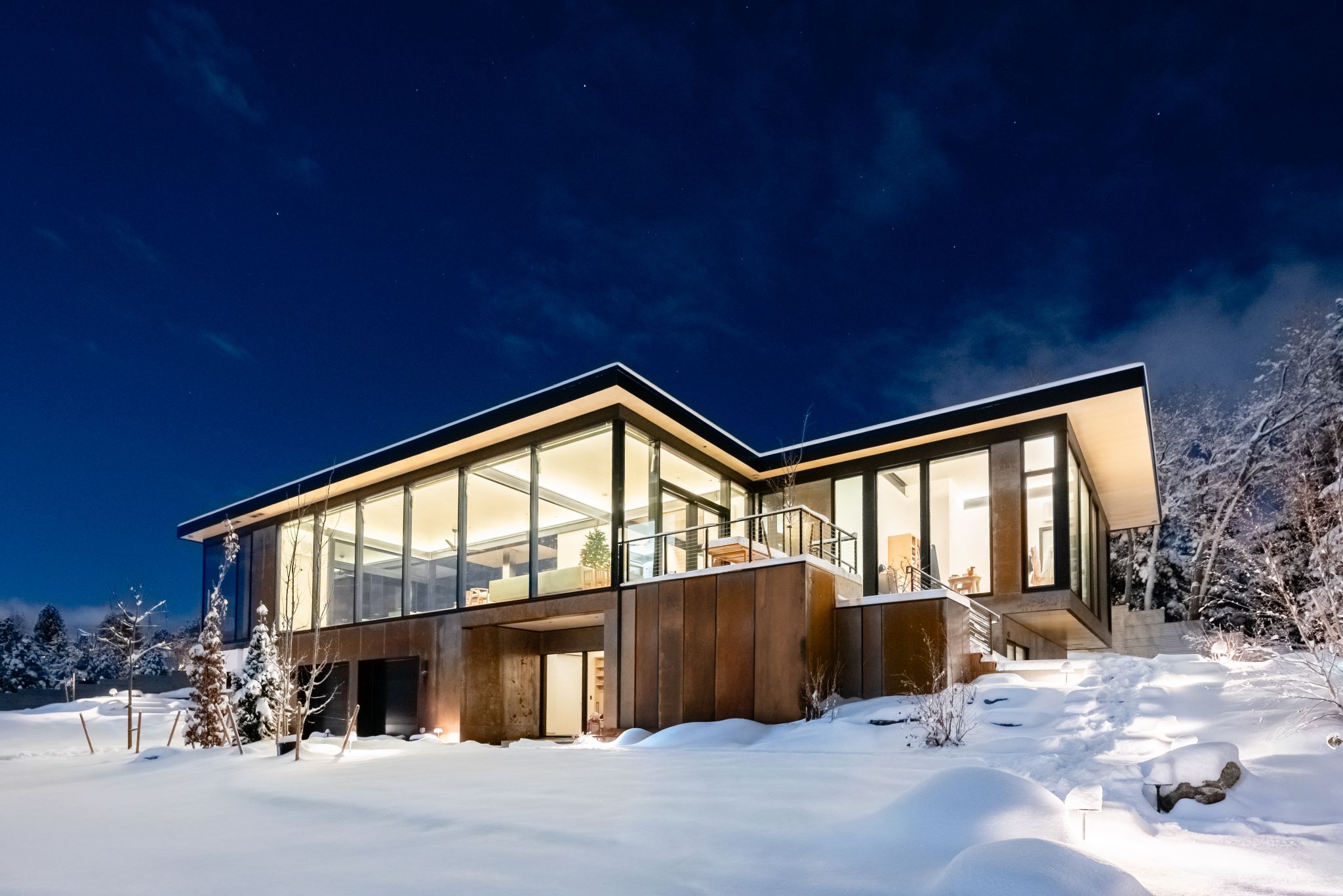
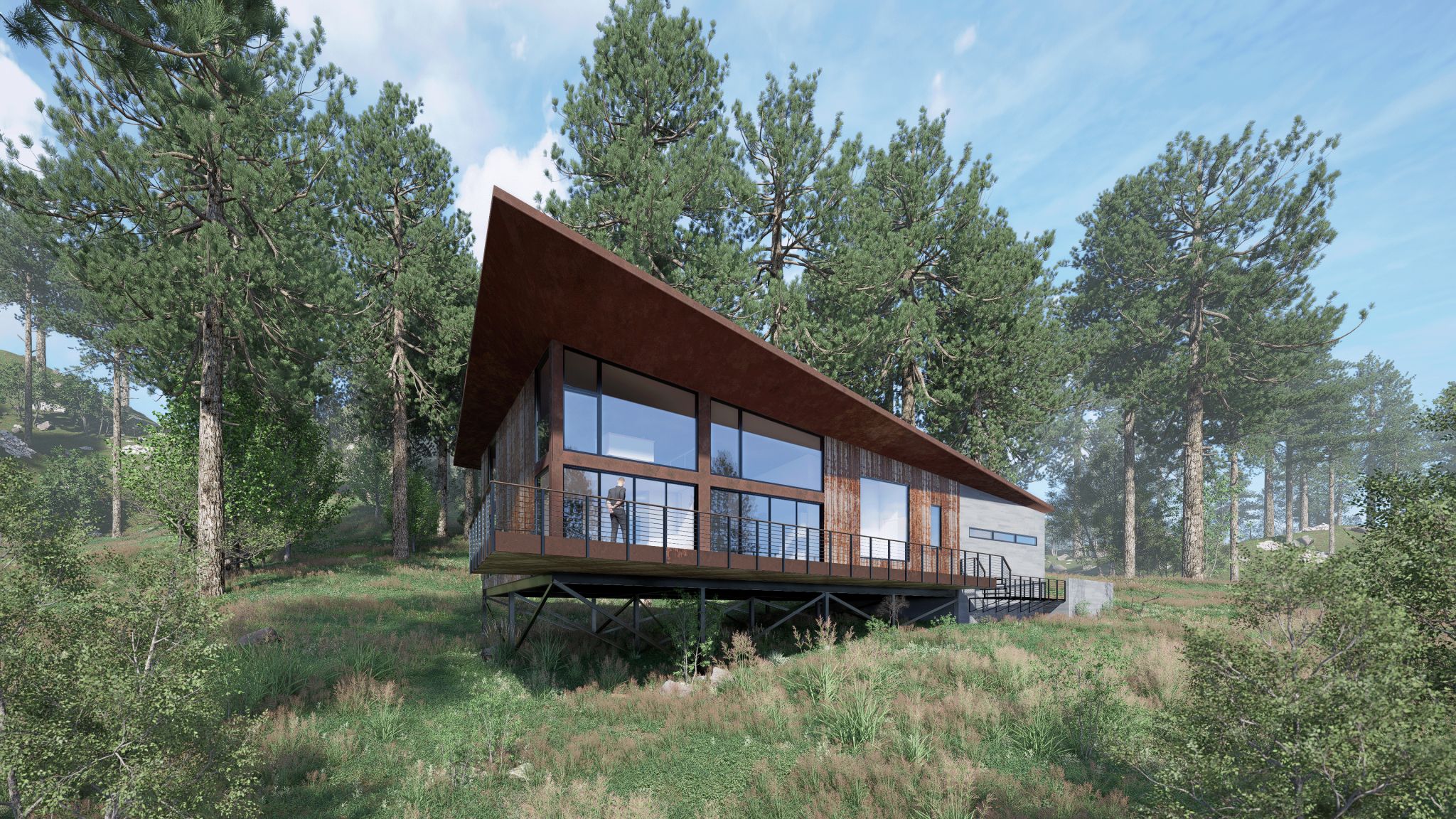

Image Credits
Jason Buss