


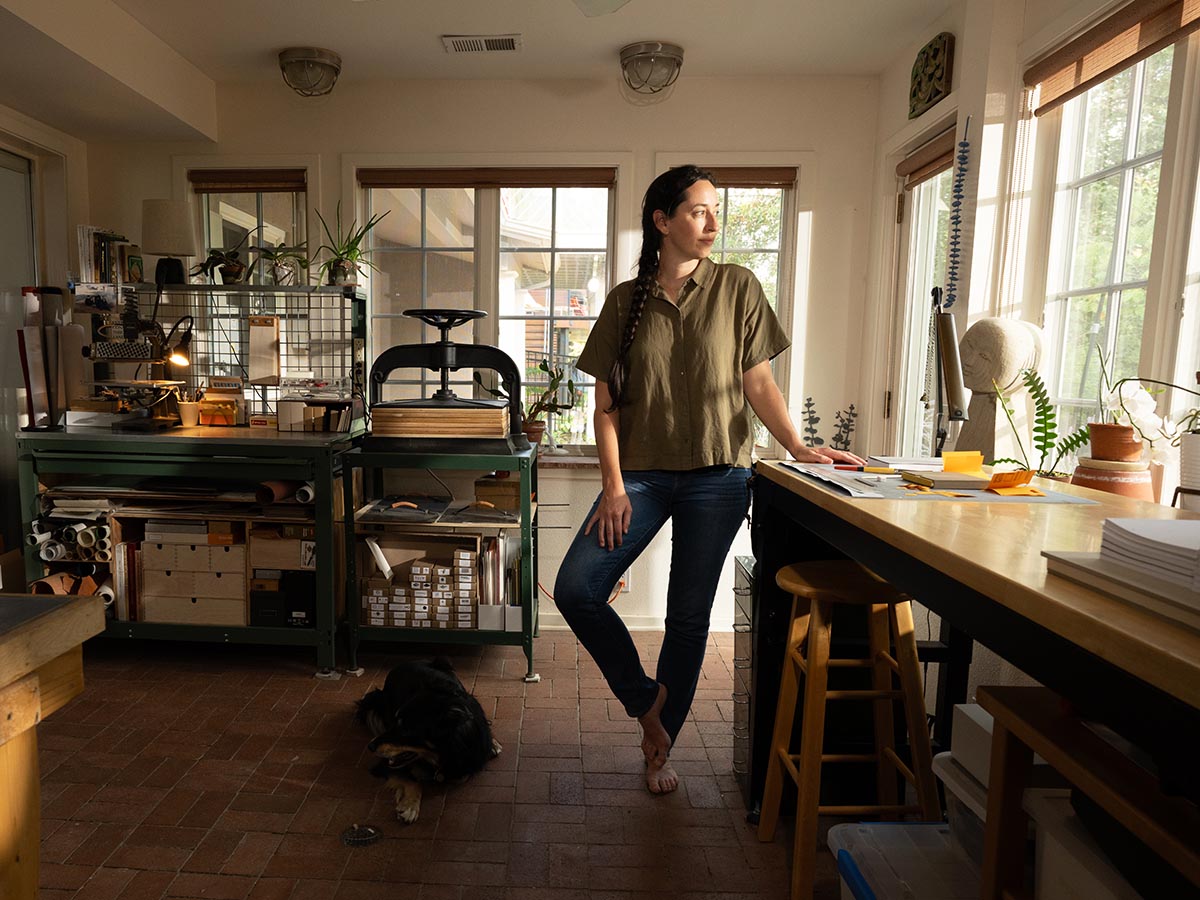
We recently had the chance to connect with Darin Grassman and have shared our conversation below.
Darin, so good to connect and we’re excited to share your story and insights with our audience. There’s a ton to learn from your story, but let’s start with a warm up before we get into the heart of the interview. What is something outside of work that is bringing you joy lately?
I’m learning how to swim! Well, more specifically: learning how to swim freestyle. I’ve been happily paddling around and *not drowning* since I was a little kid, but I have never been able to do the crawl. Side-breathing feels unnatural and awkward to me (often to the level of anxiety-inducing), so I just avoided lap swimming.
For the past few months, I’ve been slowly warming up to it. I bought some goggles (an essential accessory, previously overlooked) and mustered the courage to swim just one freestyle length at my own pace. I was so pleased with myself for doing it once, that I’ve managed to sustain my motivation and chip away at my fear, enjoying the process of improvement. It’s a real confidence boost!
Can you briefly introduce yourself and share what makes you or your brand unique?
Hi – I’m Darin: an artist, designer, and bookbinder.
I work out of a studio in Boulder, where I consistently have projects that I develop alongside my bookbinding practice. At any given time I may be working on a painting commission, a gallery catalogue layout, and handmade clamshell boxes simultaneously. I enjoy the multidisciplinary approach; moving between mediums, cross-pollinating art, craft, and design.
Bookbinding: I produce custom handmade books; including small editions, artist books, archival boxes, portfolios, and foil-stamping. For people interested in self-publishing, I also offer book design and production management for large scale printing / binding.
I’ve been making books since 2008, beginning in California at companies specializing in photography books, later to England at a London trade bindery, and now for my own company called LA-Bookmaker.
Amazing, so let’s take a moment to go back in time. What relationship most shaped how you see yourself?
I was incredibly lucky to find a job in my early 20s making books. Originally, it was meant to be part-time paper cutting, but quickly became a full-time production position. At the time (early 2000s), many of the long-standing binderies in the Bay Area were shutting down and we were filling a new short-run printing + binding niche that did not have much competition.
It was a relatively fresh market for photo- and art books, which gave us a lot of creative freedom. The owner trusted me to contribute to the product design of books we made, in addition to giving me autonomy when fulfilling orders. I recognize now that he identified my strengths and gave me a green light to use them.
The confidence that he had in my craftsmanship, work ethic, and general organizational style created a strong working partnership. Our dynamic not only contributed to my identity as a maker / craftsperson, but I now seek to create that level of trust in collaborative endeavors. One of my aims is to always appreciate or maximize on a client or partner’s skillset.
When did you last change your mind about something important?
I am continually–and intentionally–changing my mind about success and what it looks like.
In 2014, I moved to England for a textile design graduate program. I have always loved to draw and paint patterns and I expected to make a career pivot away from bookbinding. At the time, my understanding of a creative person’s success meant making money from commissions and paid work.
After graduation, I had a brief encounter with the world of automotive design. I wondered if I could thrive in a more commercial, corporate design role. A steady income paired with being part of a highly-admired design team was so alluring. Unfortunately, there I found a system that rewards competitive optimization – the constant and relentless search for betterment and improvement, reducing the human urge to strive for excellence into materialism and buy-able status.
To say that it put me off is an understatement. I found ‘optimization culture’ alienating. The competition and petty power struggles fed into an exclusivity mindset that was offensive, lonely, and austere – perhaps the opposite environment for nurturing success.
More importantly: when I look back at my time in England, the most meaningful and rewarding work took place at the bindery where I showed up every few days to ‘get a break’ from grad school. The truth is that each day I worked there, I felt very fortunate to be there. Working with my hands, chatting with colleagues, contributing to creative projects that come and go – all of it was such a privilege and a pleasure.
Now, my measure of success is having the ability, time, and space to work on stimulating projects. My goal is for the feeling of success to be more akin to gratitude, taking pleasure in the process. A friend asked me recently, “what are you doing with your mind and your time these days?” When I replied and told her about the bookbinding and painting projects on my plate, I felt a surge of pride for how I was spending my days. That feeling is my current definition of success.
Alright, so if you are open to it, let’s explore some philosophical questions that touch on your values and worldview. What’s a belief or project you’re committed to, no matter how long it takes?
I’ve developed a set of hand-held tools for block-printing patterns. This project is something I’ve been working on for almost a decade, originating during my MA while studying printed textile design. I call them the Pin Block, the Pin Cone, and the Multi-sided Sequence Tool.
Each of the tools are modular. They can be disassembled and re-assembled in order to create infinite patterns. They’re inspired by block printing, used commonly in the textile industry to produce colorful motifs on fabric.
This project is often on the back burner for me logistically, advancing only when funds and focus allow. However: I’m deeply committed to creating these tools because they allow the user to create in a very playful way. I believe in the power of a playful creative process, because that’s usually when we learn and evolve most.
Both the Pin Block and the Pin Cone have been patented. The Multi-sided Sequence tool is patent pending. I’m currently looking to partner with creative people who have manufacturing and product design experience for the final stage of prototyping.
Okay, we’ve made it essentially to the end. One last question before you go. What is the story you hope people tell about you when you’re gone?
I hope that the enduring qualities of my work reflect my contemplative process and the space I make for slowness and wonder. Though the final forms may be physical books or prints, I hope there is a residue of existential pondering embedded by time, touch, memory, and rhythm of something made by hand.
Though perhaps not ultimately reflected in my ‘legacy’, here are some projects I am looking forward to in the near future:
– Teaching more bookbinding workshops and 1-1 classes.
– Small editions of artist books, creating boxes and custom binding.
– Designing and binding editions of photobooks containing my grandparent’s photographs from 1920s – 1940s.
– Creating a collection of decorative papers that can be used for bookbinding, collage, gift wrap, etc.
– Designing a stationery subscription that includes monthly offerings of foil-stamped cards and paper ephemera.
– A final round of prototyping for the printing tools that will allow for testing by fellow creatives.
Contact Info:
- Website: https://dgrassman.com
- Instagram: @l.a.bookmaker
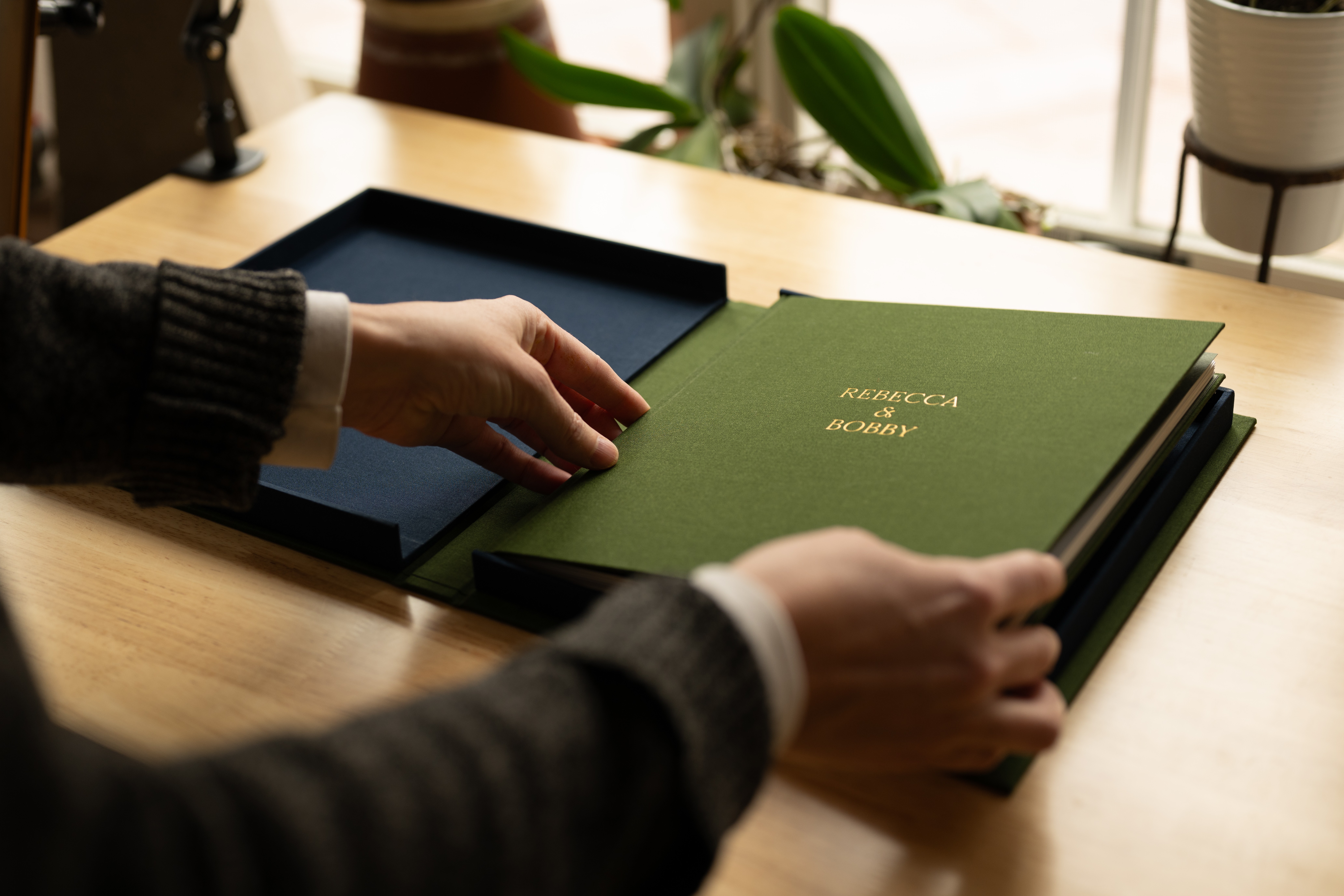
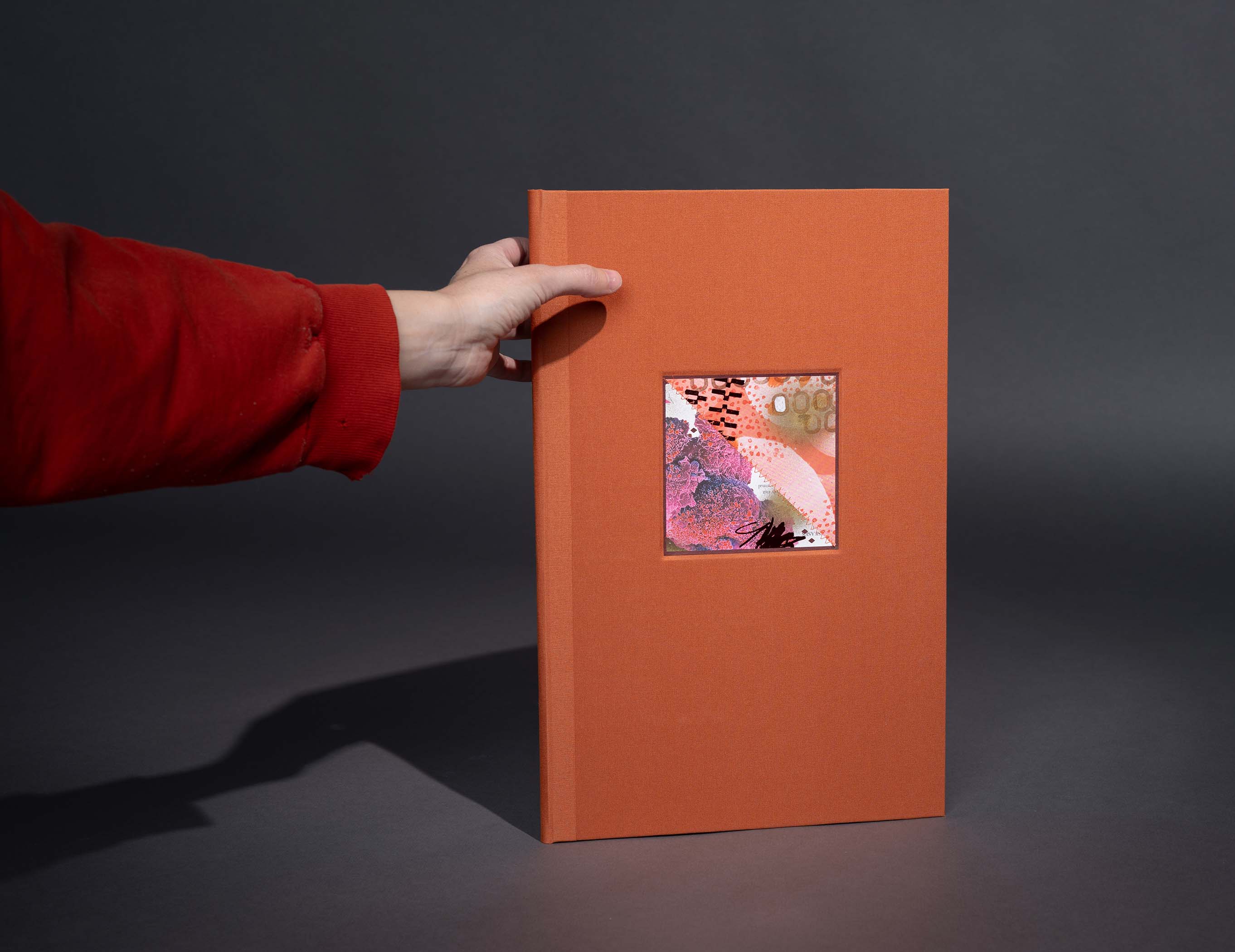
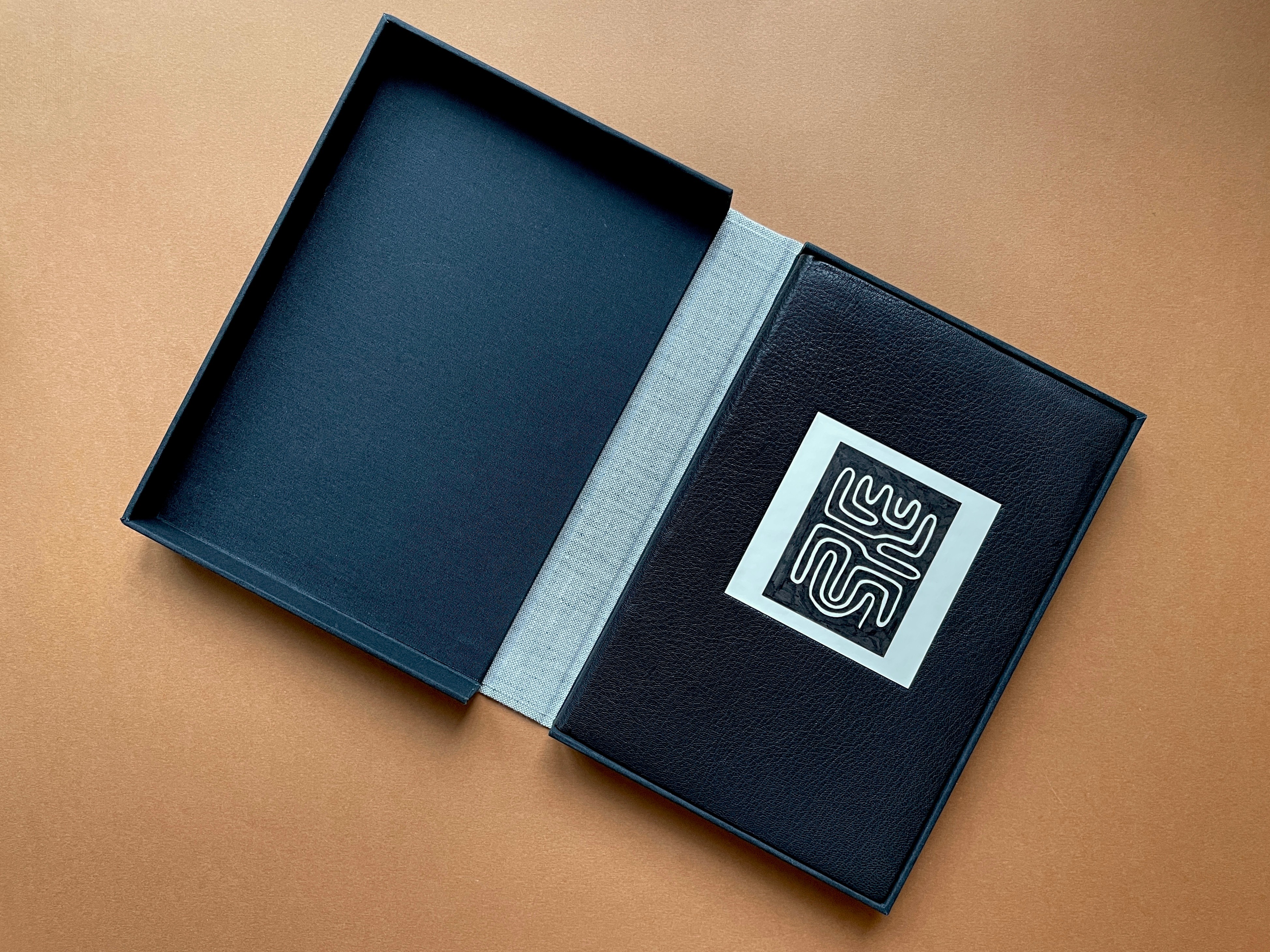
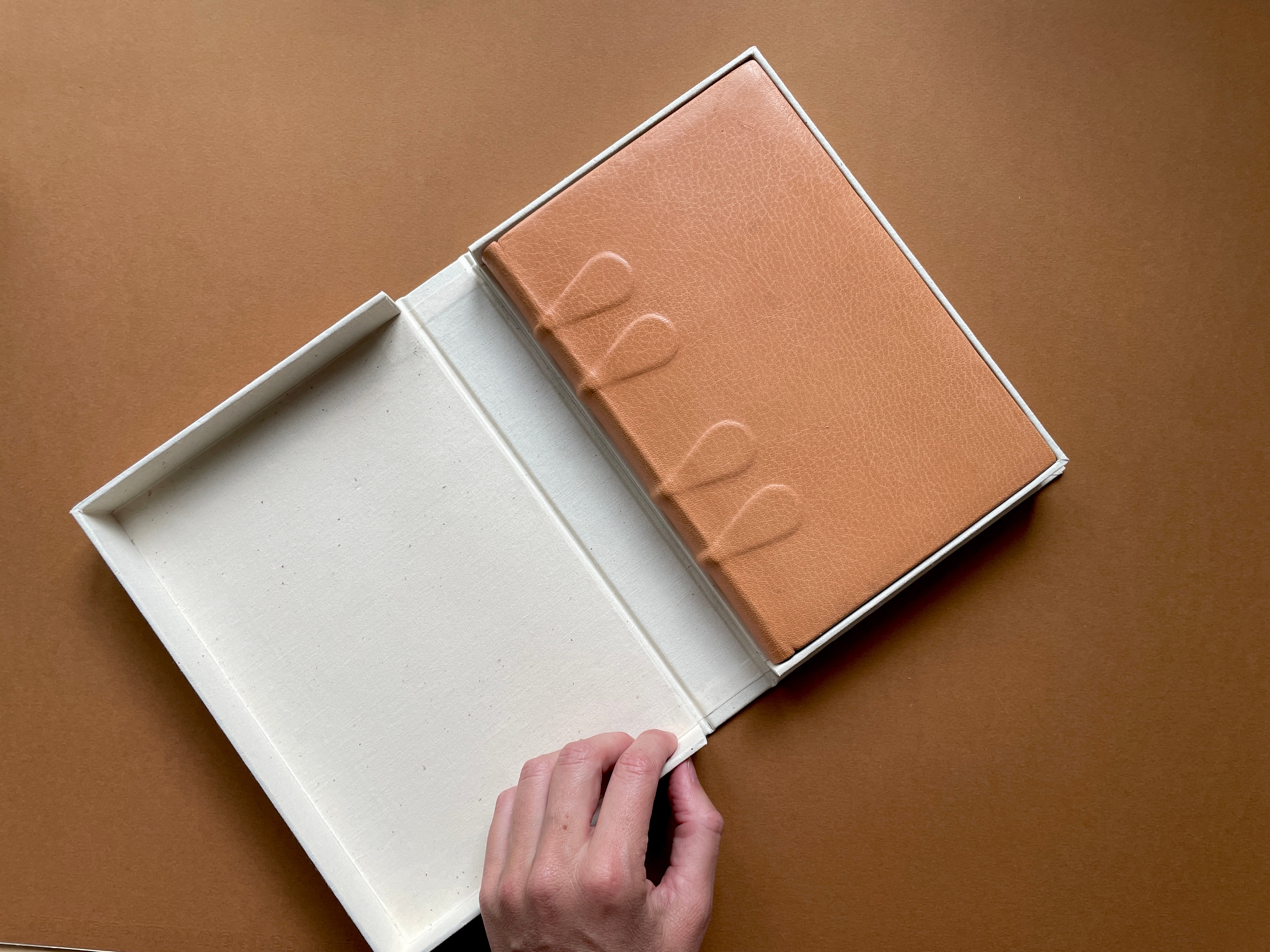
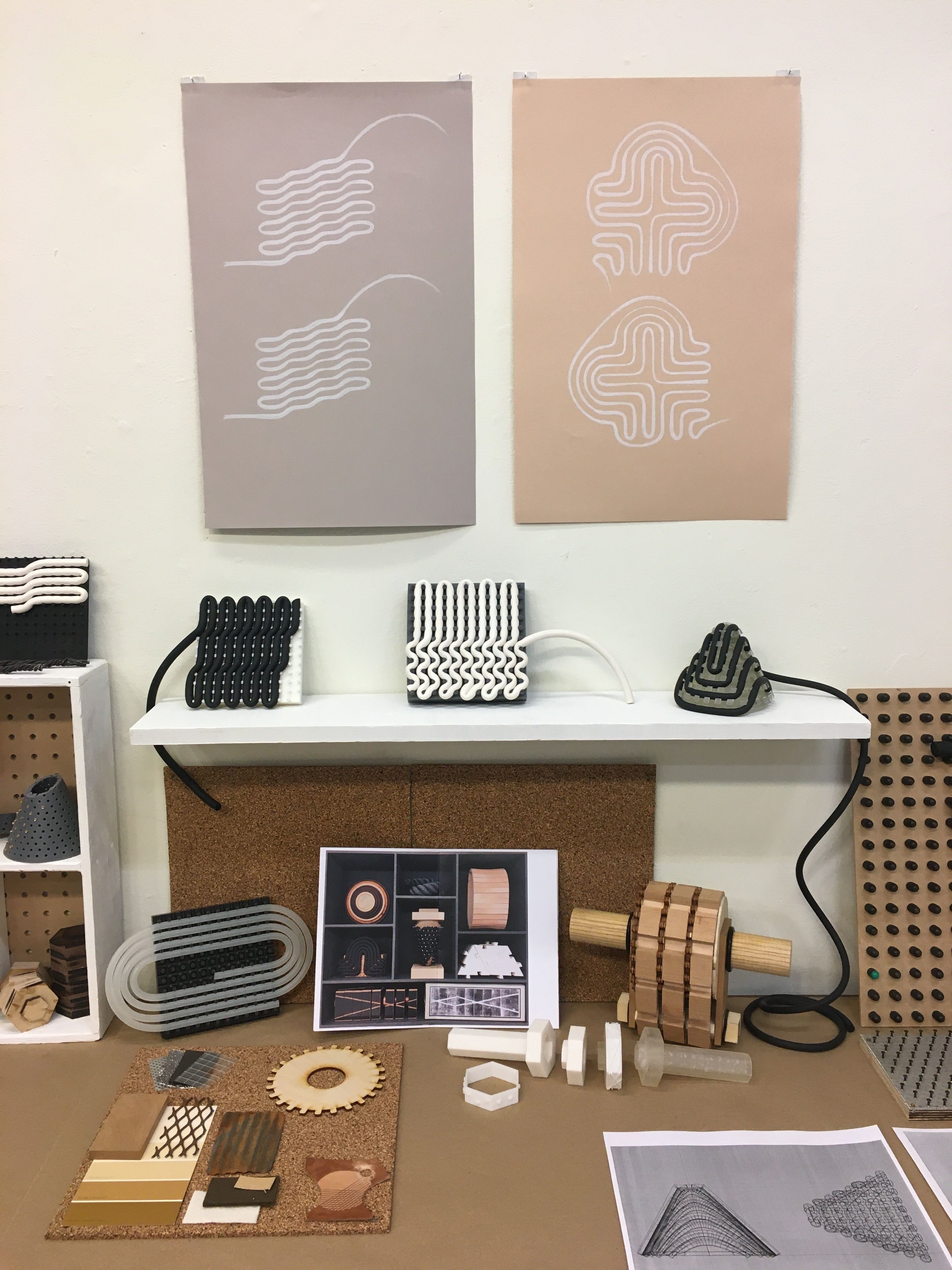
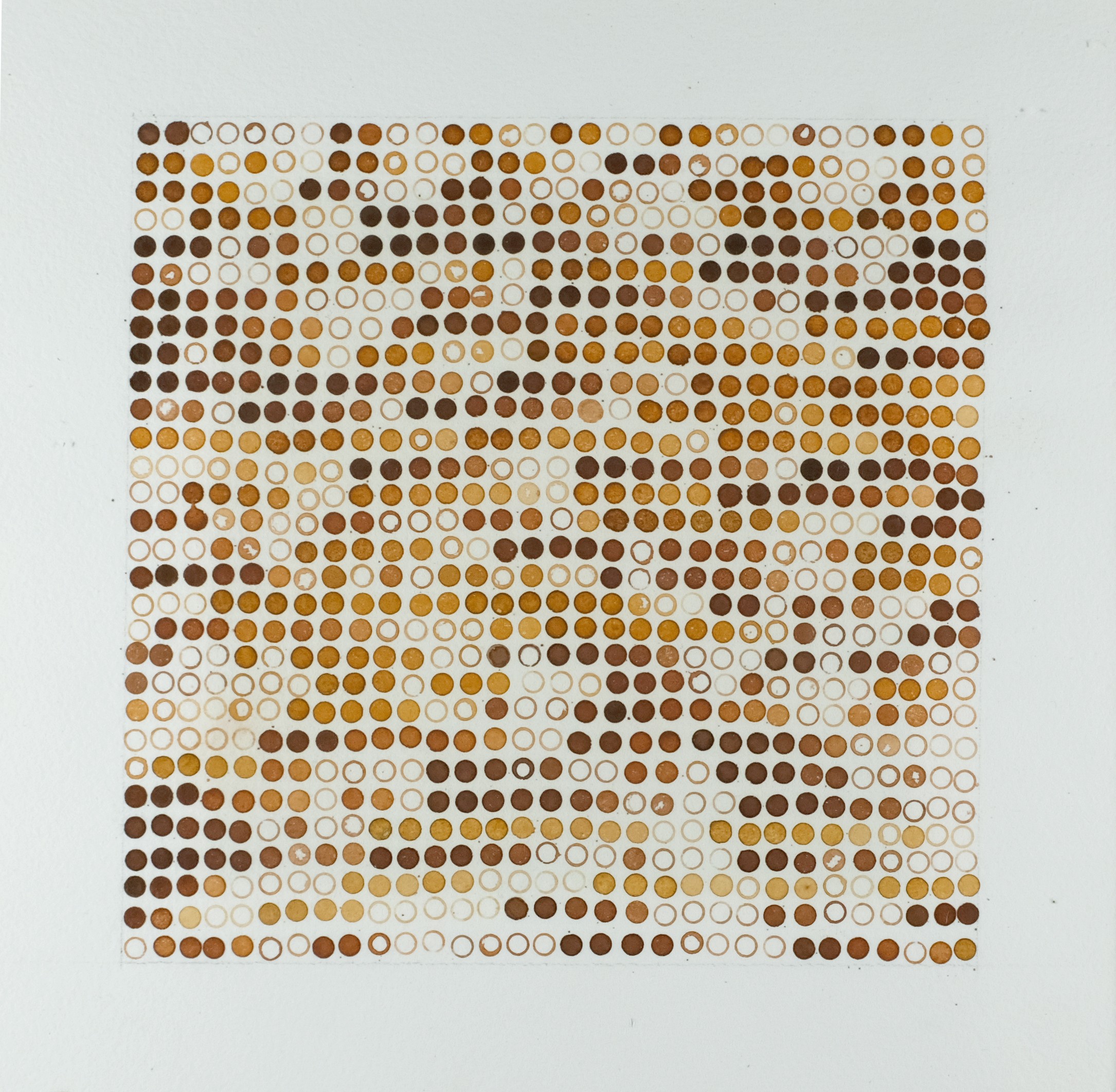
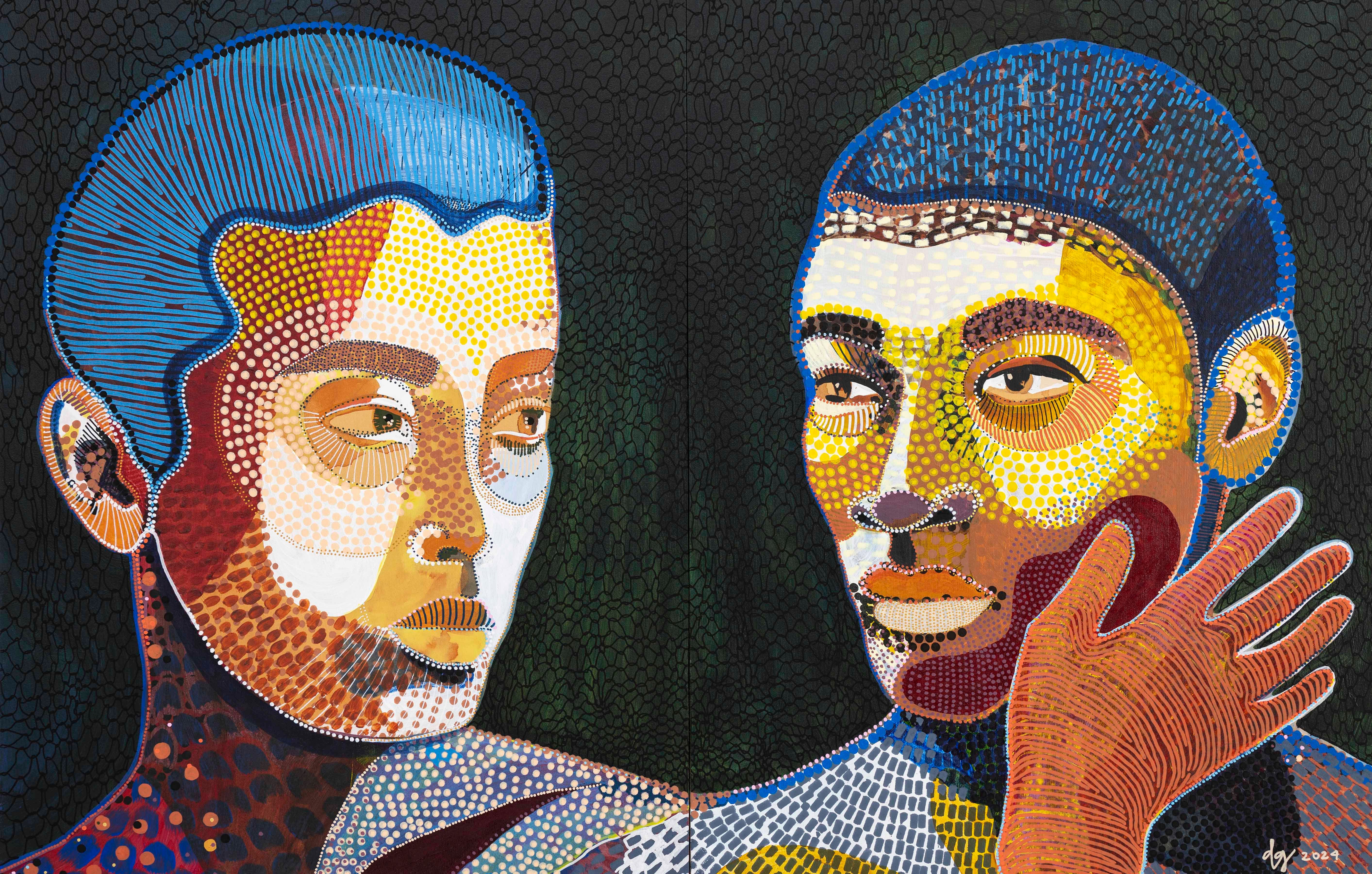
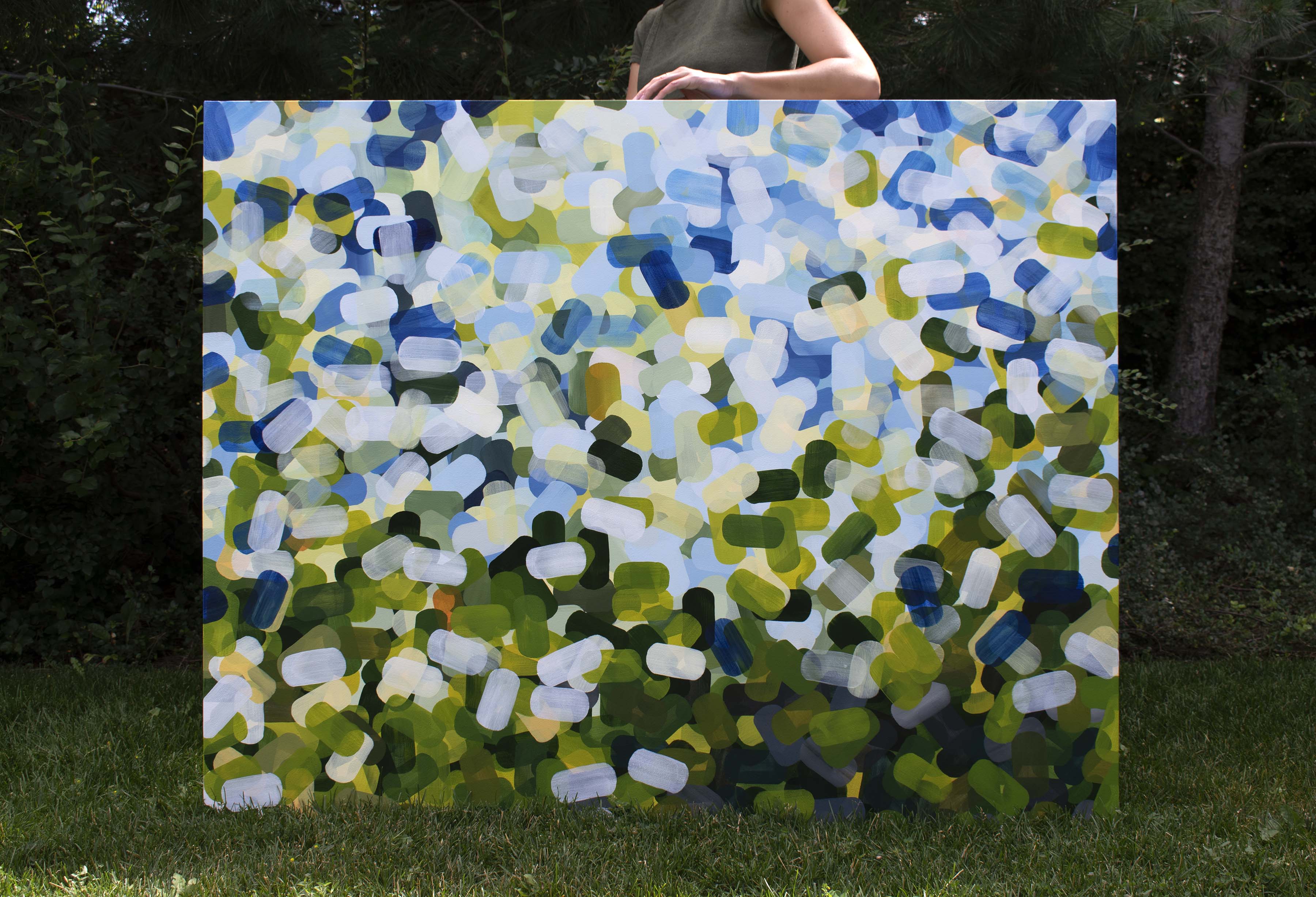
Image Credits
Darin Grassman, Matt Crossley Photography