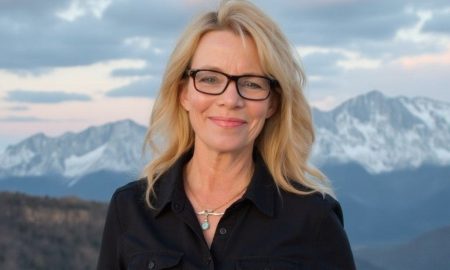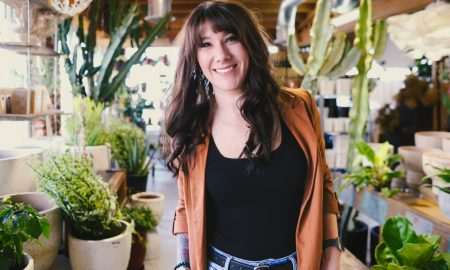


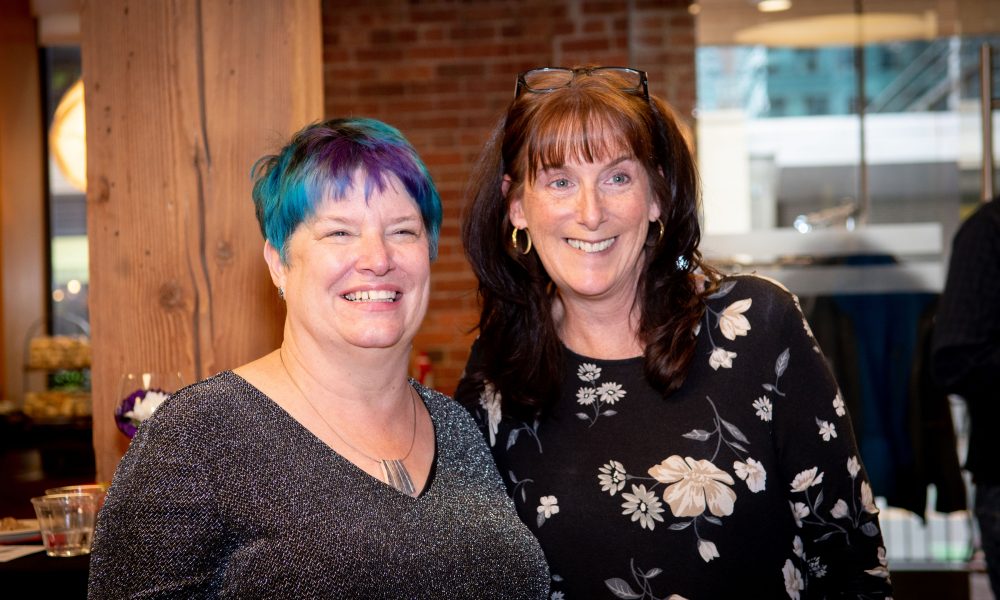
Today we’d like to introduce you to Diane Pulvermiller and Melanie Dewey.
So, before we jump into specific questions about what you do, why don’t you give us some details about you and your story.
Melanie: I am blessed to be the co-director of Mercy Ministries – a Colorado non-profit that brings trauma healing to young adults in Romania who are orphanage survivors. I was initially dragged into this work through the passion of others in my family – my husband, my in-laws, and my children – who all had connected with dozens of orphans on their various trips to Romania. At first, I was more than a bit overwhelmed. The children were so needy from years of neglect and abuse, and their situation (still living in horrendous government institutions) seemed so hopeless. But I just couldn’t walk away from the relationships we were building with these kids as we returned to Romania summer after summer. When I was ready to transition out of my elementary teaching position, the leadership of Mercy Ministries opened up. It seemed like such a big leap to me – but when I discovered Diane felt the same way, we got the idea of taking on the role as a team. And our partnership has made all the difference. Having someone else to share the load with – and someone as amazing and compassionate and committed and passionate as Diane is – has been such a blessing. She pushes me to be my best “me,” and her commitment to our young people in Romania is a never-ending source of inspiration. We have each been blessed to (unofficially) adopt a young man into our families. The immense challenges that come with long-distance adoptions of adolescents (neither of our sons can come to the States) with huge trauma histories drove us to become experts on the impacts of Early Childhood Trauma. And now, the programming of our entire organization revolves around bringing research-based interventions for trauma healing to the young people in Romania who are so precious to us.
Diane: In 2001, I joined a group of people from Mercy Ministries to travel to the northwest corner of Romania. We were going to run a summer camp for a group of children living in an orphanage. What happened that summer changed my life forever. I returned for the next few summers, then began going over during the winter and other times during the year. These children became part of my heart, part of my family. In 2013, the Directors of Mercy Ministries stepped down and Melanie and I took over the roles of Co-Directors. Many of the young people we had grown to love were aging out of the orphanage system and discovering how ill-equipped they were to deal with adult society. We began offering training and mentoring to help them overcome the devastating effects of Developmental Trauma.
Great, so let’s dig a little deeper into the story – has it been an easy path overall and if not, what were the challenges you’ve had to overcome?
Melanie: Working with those who are victims of early childhood trauma is never a smooth road! Nothing is intuitive. We work with young adults who can at times be combative and dismissive, or who at times sabotage our relationships just when we’re feeling like we’re making progress. But we know that’s just the behavior, not the real kid underneath. Two things are made all the difference for us: The first was getting ourselves educated with the latest and best available expertise by the top people in the field of trauma. Yes, we had lots of personal experience with our own children and as public school teachers. But that didn’t even begin to scratch the surface of equipping us to help with youth and young adults who had experienced such horrific abuse and neglect. Be honest about what you don’t know… and then do whatever it takes to learn it. The second is to surround yourself with other supportive women – women who “get it” and who you can completely be yourself with. There are two women I text dozens of times a day – just to share the moment-by-moment journey. They tell me when I need to take a break. They celebrate with me and grieve with me. I know I can say ANYTHING to them, and they’ll be there for me. I can’t imagine surviving the challenges of this work without that.
Diane: There have been so many struggles! Running a small non-profit has its own set of unique challenges – from fundraising to running the programming – we wear too many hats and it can be difficult to find a balance. Additionally, we work in a society (Romanian) that in many ways still sees women in traditional roles, not running organizations. Being both women and foreigners we have had to work extra hard to be heard and taken seriously. We also fight for those seen as being at the bottom of the social ladder in Romania, orphaned, Roma (Gypsy) youth. I remember one year during camp a representative from the power company came to camp to talk to the “şef” (boss). When I told him that was me he turned away and refused to talk with me, I had to go and get a male colleague.
It has had its challenges, but I wouldn’t want to be doing anything else. If you find something that you are passionate about, that gives you life and fulfills you, and you can find a way to make that a career – you’ve hit the jackpot. I’d also say, make sure you find other women who “get” it, who “get” you and why you do what you do.
Please tell us about Mercy Ministries.
Melanie: We are proud to fill a niche in Romania that really needs filling – having a vision for healing from debilitating trauma for orphanage survivors. There are so few supportive services in Romania – very little in the way of psychotherapy, mental health care, or social services. Aging out of the government orphanage system can be so overwhelming for those who have almost no skills or supports for independent adult life. There are organizations here and there who help with getting an apartment or a job. But maintaining housing, or keeping a job – when one’s whole background has been survival – is almost impossible. We’re so blessed to be able to bring cutting-edge interventions (trauma-sensitive yoga, mindfulness practices, dance, drumming to name a few) that really are making a difference for our young people caught in the grips of early childhood trauma. We are privileged to be a bridge between the incredible wealth of research-backed knowledge in the West and the huge needs in Romania. And in the process, we have gained a beautiful extended family of dozens of precious young people who are like nieces and nephews to us.
Diane: We have been providing trauma-healing programming and mentoring in our corner of Romania for over six years now. We’ve been privileged to have received training from some of the top professionals in the field of trauma research and have developed a body-based program that has produced some exciting results with our young people. We see them learning how to regulate (physically & emotionally) how to move past deep-seated shame and we have watched them develop into individuals who are able to become part of society.
Because of this we have created a curriculum based on our programming and are launching a Spread the Healing Initiative. We are beginning to offer training and our curriculum to other Romanian professionals who work with similar populations with the goal of spreading our programming throughout the country.
Were there people and/or experiences you had in your childhood that you feel laid the foundation for your success?
Melanie: My dad always had a heart for people on the margins of society. He himself struggled was challenged with a nervous-system disability (and I lost him way too early in life – when I was just 18). But he was never content to just fight for his own advancement. As a member of the governor’s staff for the State of Colorado, he actively fought to make Denver a better place for others with disabilities who faced discrimination – especially in the area of employment. Being around people of all abilities and disabilities was a normal thing for me growing up. I think this translated into a huge passion for those who are devalued by mainstream society – and has definitely carried over into my work with orphans in Romania. There was no such thing as a throw-away person in my dad’s eyes. And I’m thankful to have inherited his vision – especially on the days when the journey feels overwhelming.
Diane: The older I get the more I realize how blessed I was to have the parents I had. While no one is perfect, my parents gave me the incredible gift of knowing every day of my life that I was loved, that I was precious and that I was valuable. The more people I meet, the more I realize what an extraordinary gift that was. I also struggled with miscarriages – I had 4 – so loving these abandoned children came naturally. I wanted mine so bad and couldn’t have them; they wanted a family so bad and were denied it. And having the support of my three children and husband now is the only way I could continue to stretch myself and work for healing for these precious young adults in Romania who have suffered so much.
Contact Info:
- Website: www.embracemercy.org
- Phone: 303-870-4488
- Email: info@embracemercy.org
- Instagram: embracemercy
- Facebook: @mercymins


 Image Credit:
photosbykelcie
Suggest a story: VoyageDenver is built on recommendations from the community; it’s how we uncover hidden gems, so if you or someone you know deserves recognition please let us know here.
Popular
-

The Trailblazers: Rewriting the Narrative
-

Celebrating the Spotlight: Kaytee Shashore Turns Milestones Into Momentum
-
Humanity in the Machine: Alexander Raye Pimentel’s Cyborg Recall Questions the Cost of a Data‑Driven World
-
Raemi Anderson on Courage, Caution, and Answering the Call of the Landscape
-

Hidden Gems: Local Businesses & Creatives You Should Know