

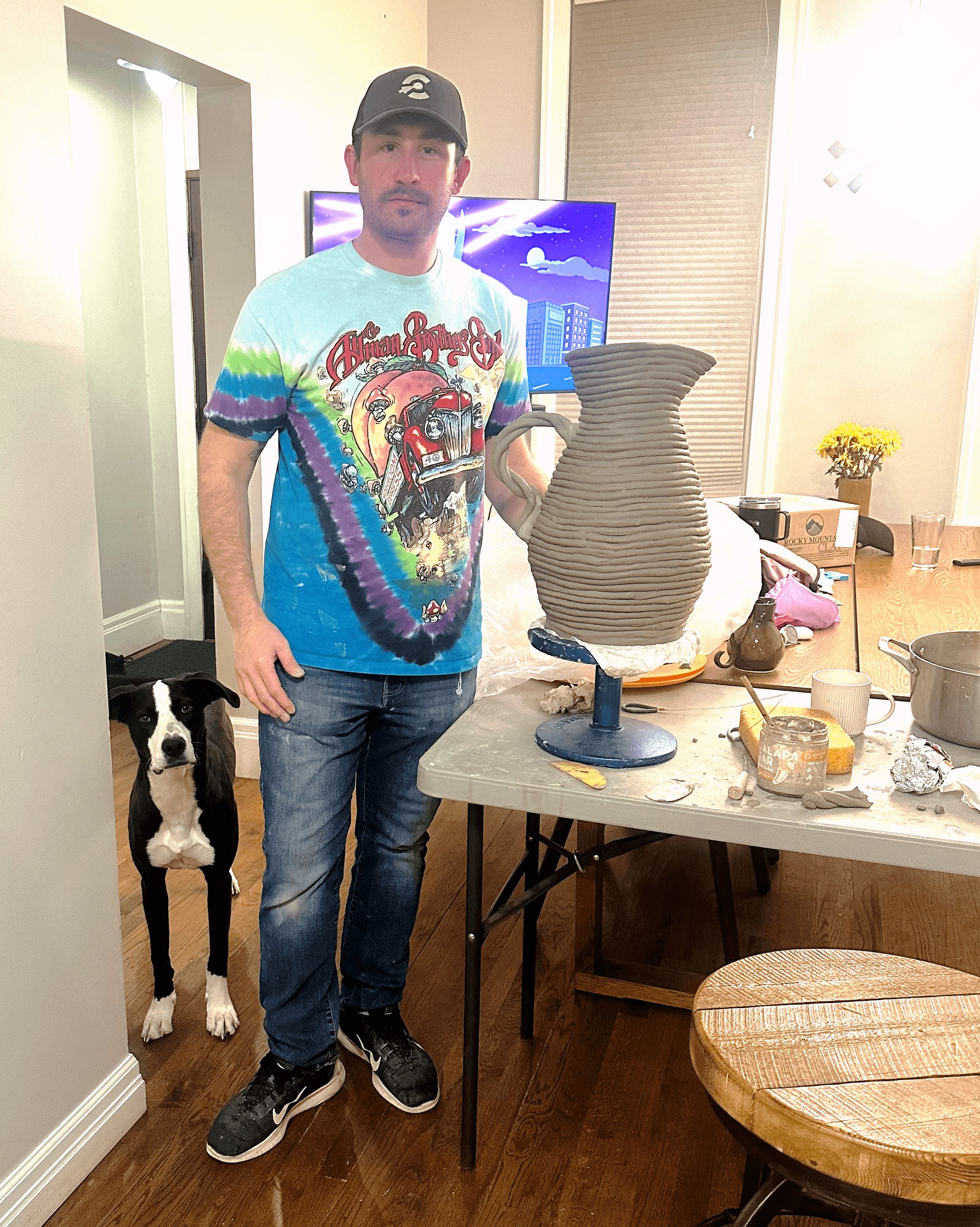
Today we’d like to introduce you to Alex Schupp.
Hi Alex, so excited to have you on the platform. So before we get into questions about your work-life, maybe you can bring our readers up to speed on your story and how you got to where you are today?
I’ve been passionate about creating things that elicit emotion my entire life. I grew up playing piano and percussion – performing in jazz bands, show choir, and percussion ensembles. As a teenager, I was a video producer and storyteller. I won awards for videos I created in high school and college, which led me to study journalism at the University of Missouri. There, I honed my storytelling skills and deepened my appreciation for craft, intention, and narrative.
After graduation, I worked at the legendary advertising agency Crispin Porter + Bogusky in Boulder. I was lucky to collaborate with some of the most talented copywriters, designers, and filmmakers in the industry. But as I advanced in my marketing career, I noticed the creative spark fading. The work became less about art and more about sales. I missed the emotionally evocative work that had once driven me.
Eventually, I started my own business in digital marketing. I love working with my clients and helping their brands grow. But, the work, while meaningful, didn’t fully scratch that creative itch. In 2023, after a particularly stressful year filled with demanding contracts, late nights, and relentless deadlines, I realized I needed an outlet. Something tactile. Something expressive. Something that could quiet my busy mind after a long day.
That’s when I took a private wheel-throwing class at Community Clay in Denver. I wasn’t good at first, but I was hooked. I fell in love with the feel of the clay, the immediacy of the process, and the joy of watching something come to life in your hands. I started taking weekly classes, improving my technique, and immersing myself in the ceramic world.
Eventually, I realized I had spent enough on studio time to justify building my own. So I converted my garage in Curtis Park into a makeshift studio and bought a wheel. I began throwing religiously. My “failed” pieces piled up in a bucket, and that’s when I discovered slip casting, a way to recycle clay into liquid form and pour it into molds.
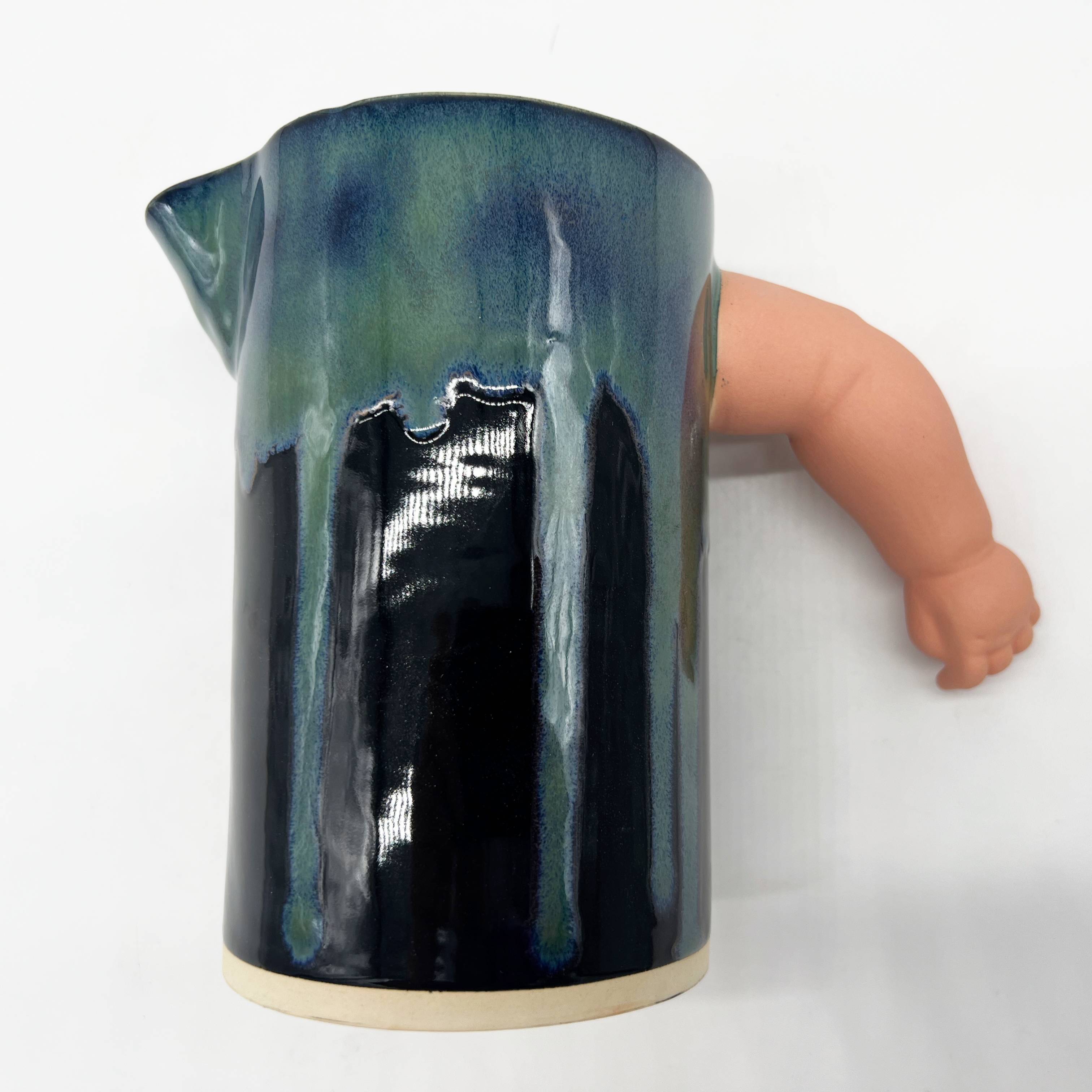
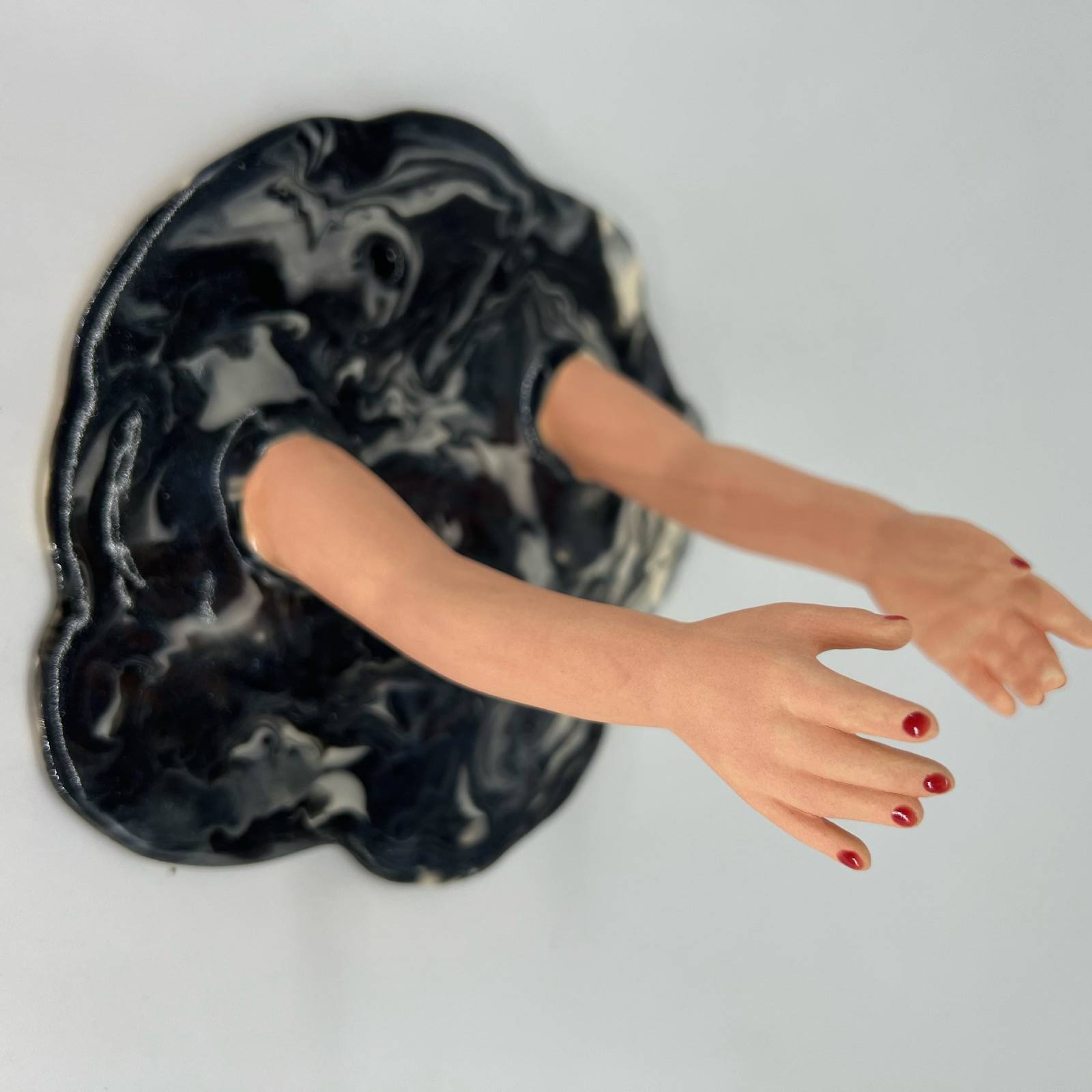
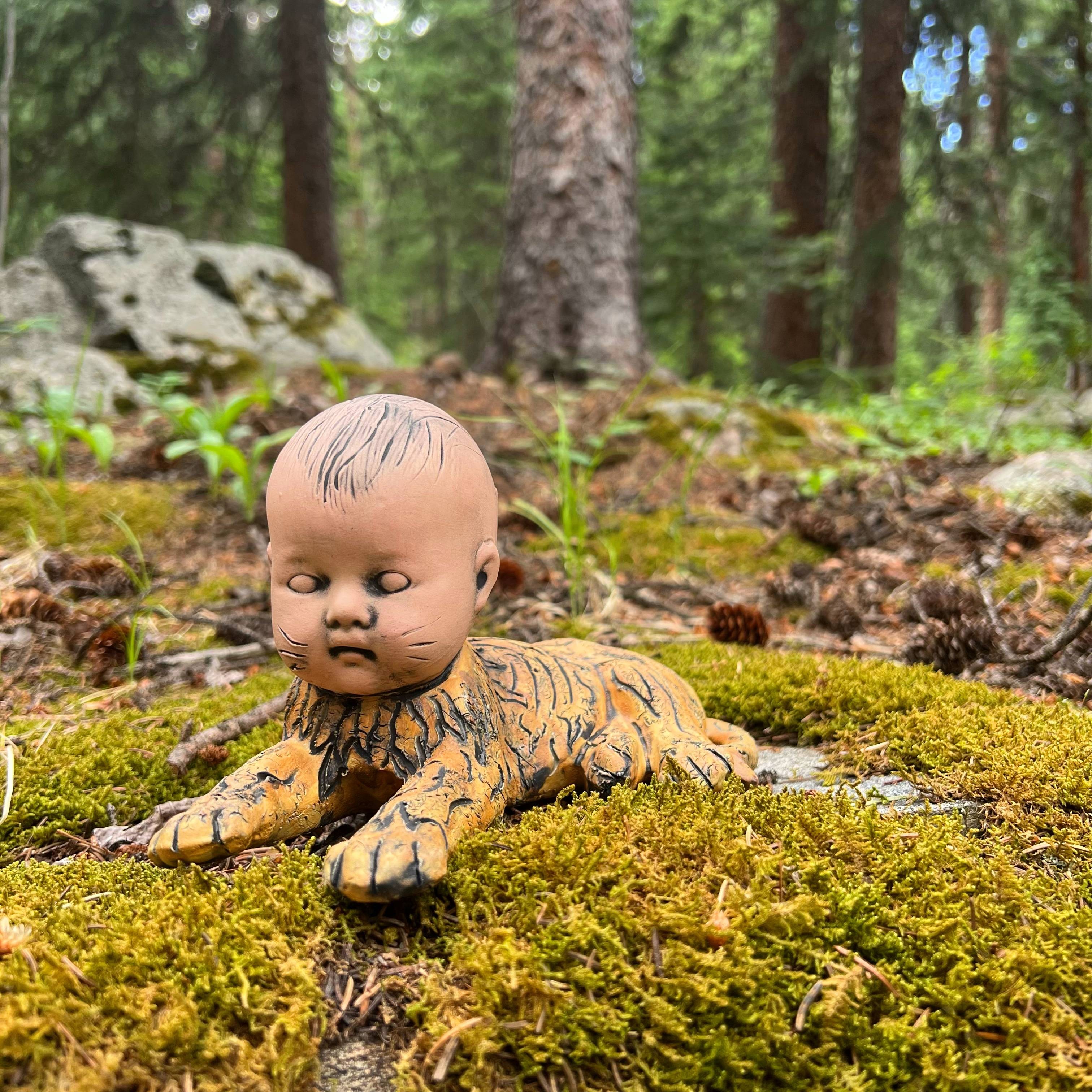
I started hunting for vintage and oddball casting molds – porcelain doll heads, baby arms and legs, anything unusual I could find on eBay, estate sales, or from fellow ceramicists. Inspired by Toy Story’s Sid character, I began creating playful and eerie pieces that blurred the line between functionality and emotional storytelling – coffee mugs with baby arm handles, jewelry holders that really grab your rings, a functional water fountain featuring disjointed doll parts. These early experiments opened up a whole new dimension of creativity for me.
To continue exploring and learning, I joined the Denver Rec Center’s ceramics program. It’s tough to get into due to demand, but it’s been an amazing place to grow. The instructors, glazes, and other artists there have been a constant source of inspiration.
Yearning for more, I found a broken kiln on Facebook Marketplace. Over several months, I taught myself to replace the heating elements, fire bricks, wiring, and controls. Now, that kiln is fully functional and can reach over 2,000°F.
With my own kiln and studio setup, I began teaching others, starting with group wheel-throwing classes at Sip and Throw near my house, and now hosting seasonal handbuilding and glazing workshops at Woods Boss Brewing Company. Teaching has added a new layer of joy. Sharing my love for ceramics has been one of the most rewarding parts of this journey.
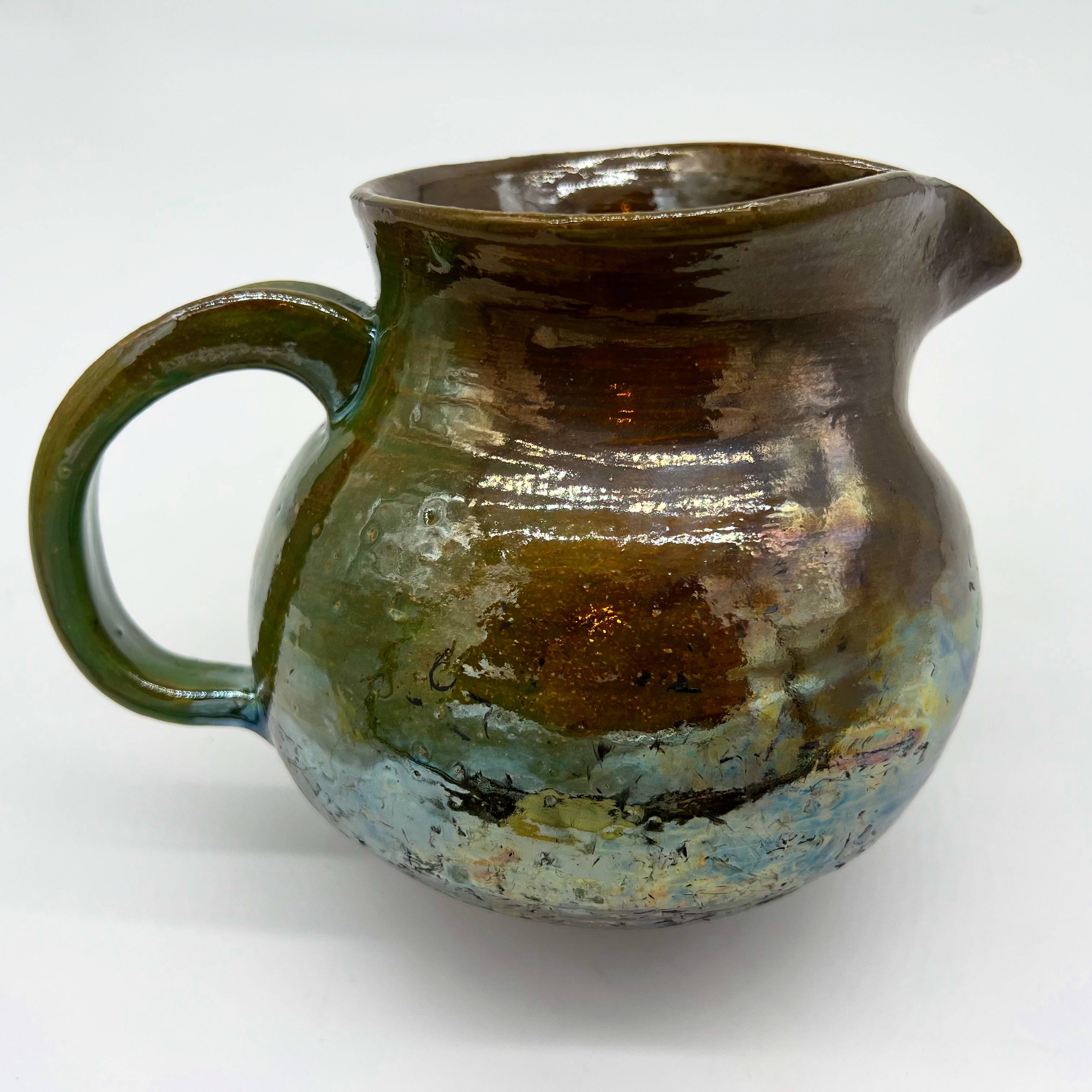
As ceramics became a bigger part of my life, my home transformed too: mass-produced dishes were swapped out for my own handmade mugs and pour-overs. Even my wife’s beloved Chemex was replaced by a ceramic pour-over set I made just for her.
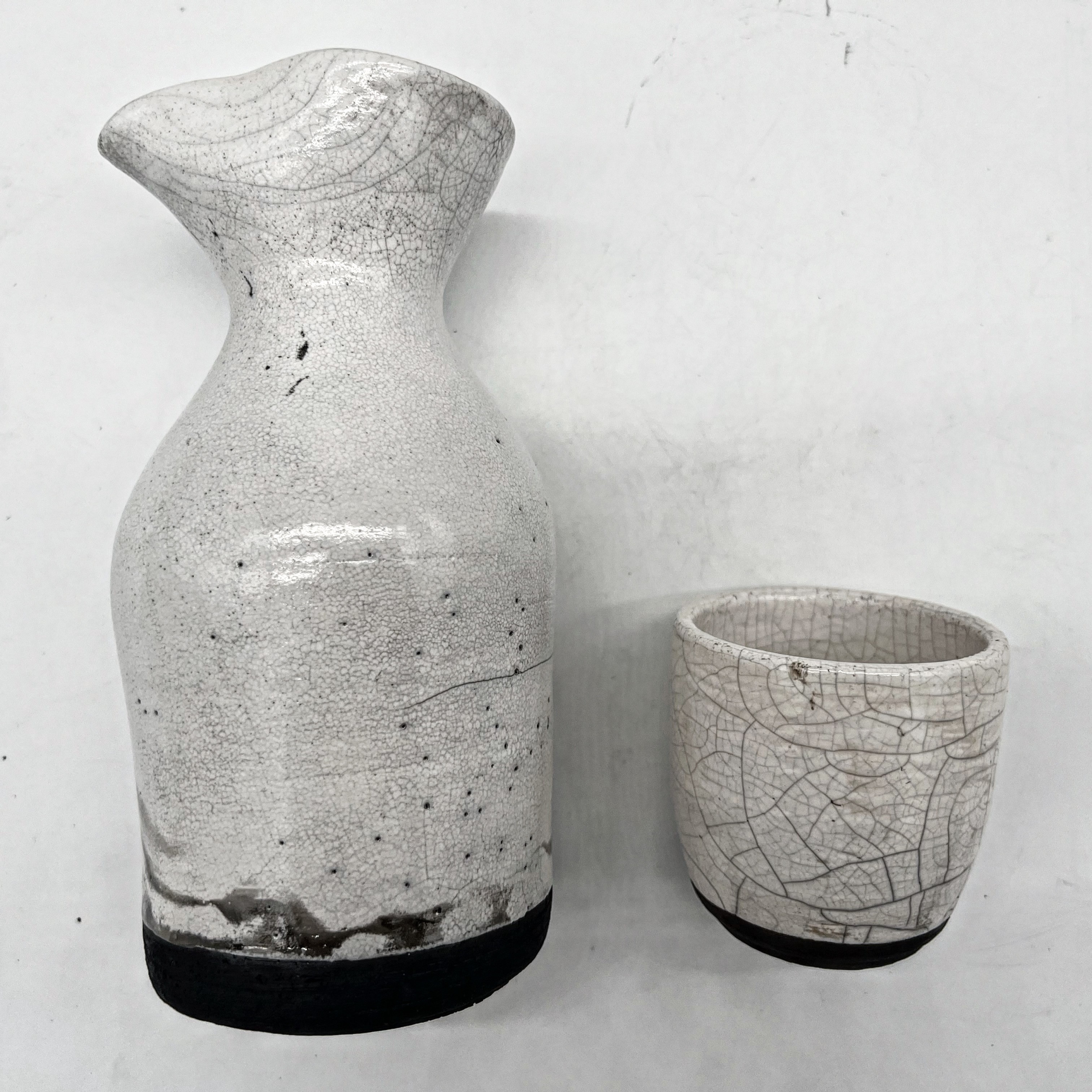
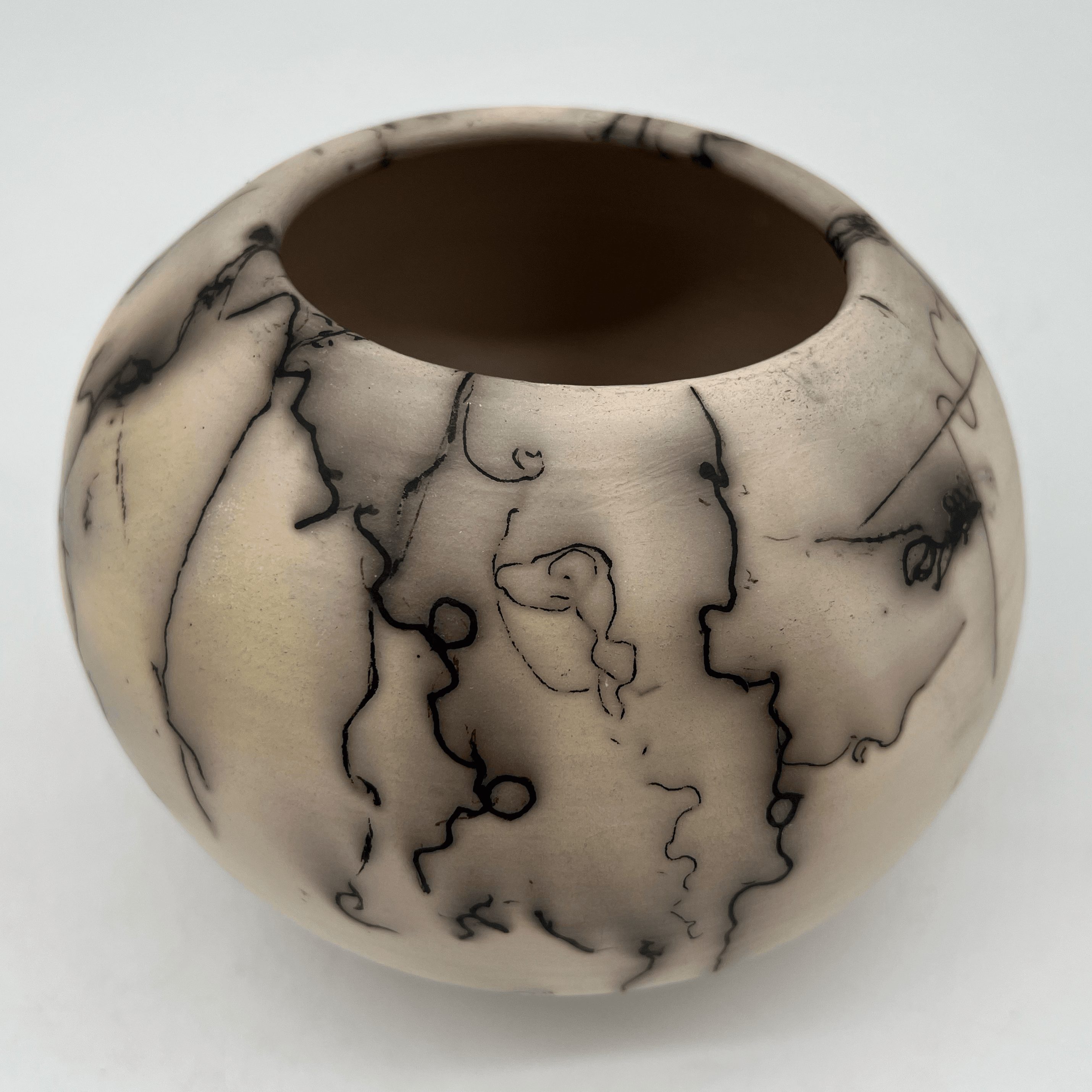
Recently, I started exploring alternative firing methods, like Raku. Instead of firing and cooling slowly in an electric kiln, I now remove red-hot pottery from a gas kiln and place it in organic materials like sawdust, leaves, or even horsehair to create wild textures and smoke effects.
One of my favorite pieces to date is a Raku-fired vessel made in honor of my wife’s horse, Quinn. I removed the piece from the kiln at 1800°F and laid strands of Quinn’s hair on it. As the keratin burned, it left beautiful, smoky patterns – an emotional tribute that now sits on our mantle, reminding us daily of the bond they’ve built together.
What started as a way to decompress from my “day job” has turned into a full-blown obsession with color, texture, form, and story. I’m proud of how far I’ve come, and excited to see where this creative path leads next.
Can you talk to us a bit about the challenges and lessons you’ve learned along the way. Looking back would you say it’s been easy or smooth in retrospect?
Creating art is never a smooth road, and in ceramics especially, it’s a winding one filled with cracks, explosions, and a lot of humility.
I’m a classic perfectionist. When something doesn’t match my original vision, it used to wreck me. That’s why working with clay has been such a transformative practice. Ceramics, by its very nature, demands patience and acceptance. The process is unpredictable, and it will humble you quickly.
At any point in the journey, things can go wrong. Pieces collapse on the wheel. If they dry too fast, they’ll crack. If they’re too thick, they might explode in the kiln. And the kiln itself, used not once, but twice, is a fickle, fiery beast. Glazes can shift colors entirely based on the clay body, atmospheric reactions, layering, placement in the kiln, or just bad luck.
My largest piece to date – a body-part-themed fountain – had to be recreated several times. An electrician knocked it over and broke it without telling me. The base collapsed mid-assembly. The top and bottom didn’t align and had to be rebuilt to fit. And once I finally got it together, the water flow caused more splash than serenity, so I began again from scratch until I got the fountain just right.
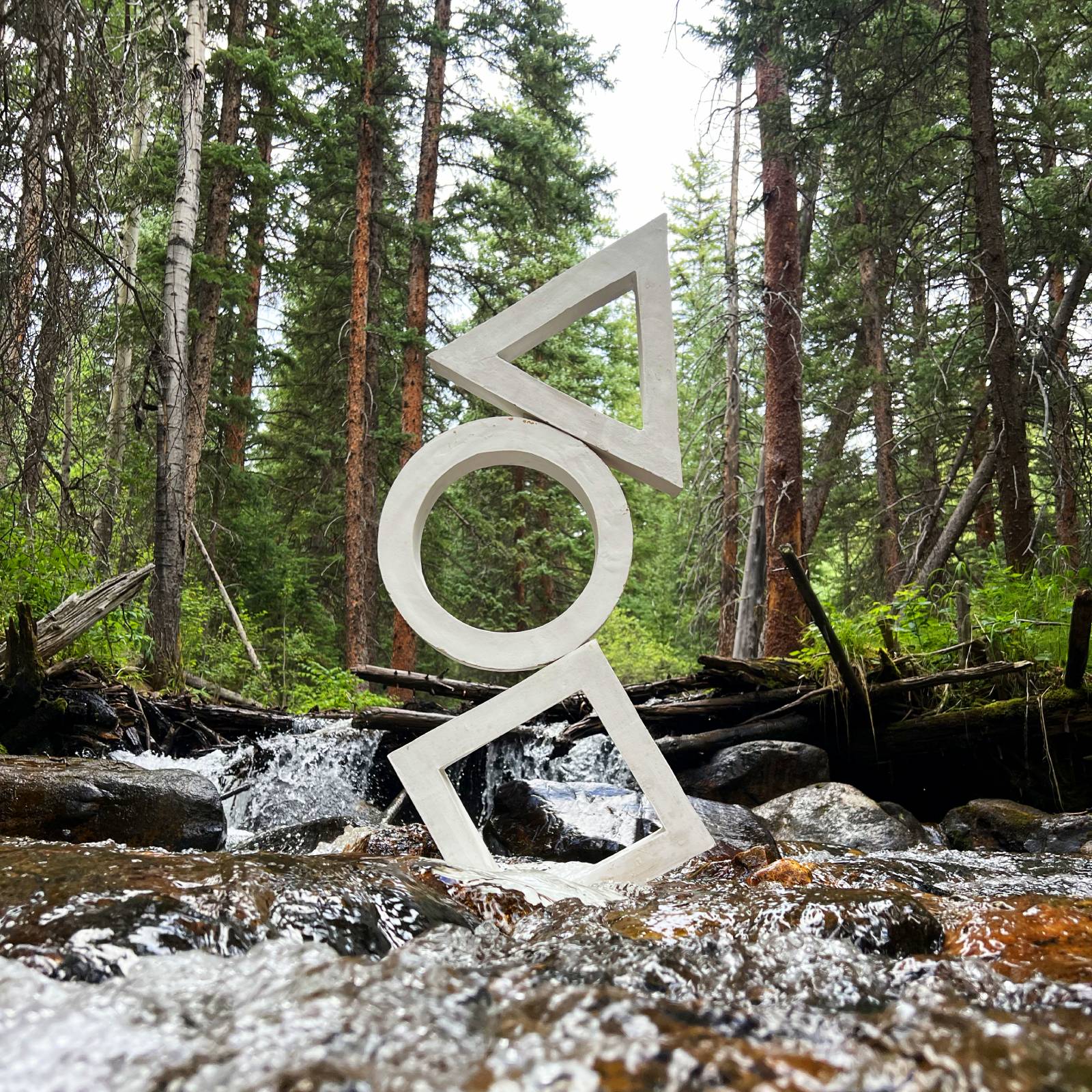
Another challenge was a geometric yard sculpture, a 3-foot-tall stack of interlocking geometric shapes. It looked beautiful after bisque-firing, but the final glaze didn’t turn out at all how I’d hoped. I debated trashing it and starting over. In the end, I kept it. It’s in my front yard now, but I’ll probably try again to get it closer to my original vision.
That’s the thing with ceramics: if you care deeply about what you’re making, you have to be willing to do it twice – or more.
The process has taught me to be more patient in life. If something doesn’t go as planned, I try again instead of throwing in the towel. I’ve even found comfort in joining online groups that share pottery fails. It turns out that seeing other artists’ catastrophes is both hilarious and healing.
Ceramics has shown me that the path to beauty often runs straight through failure. But when a piece turns out just right, when the vision finally matches the result, it’s magic. And that makes the struggle more than worth it.
Thanks for sharing that. So, maybe next you can tell us a bit more about your work?
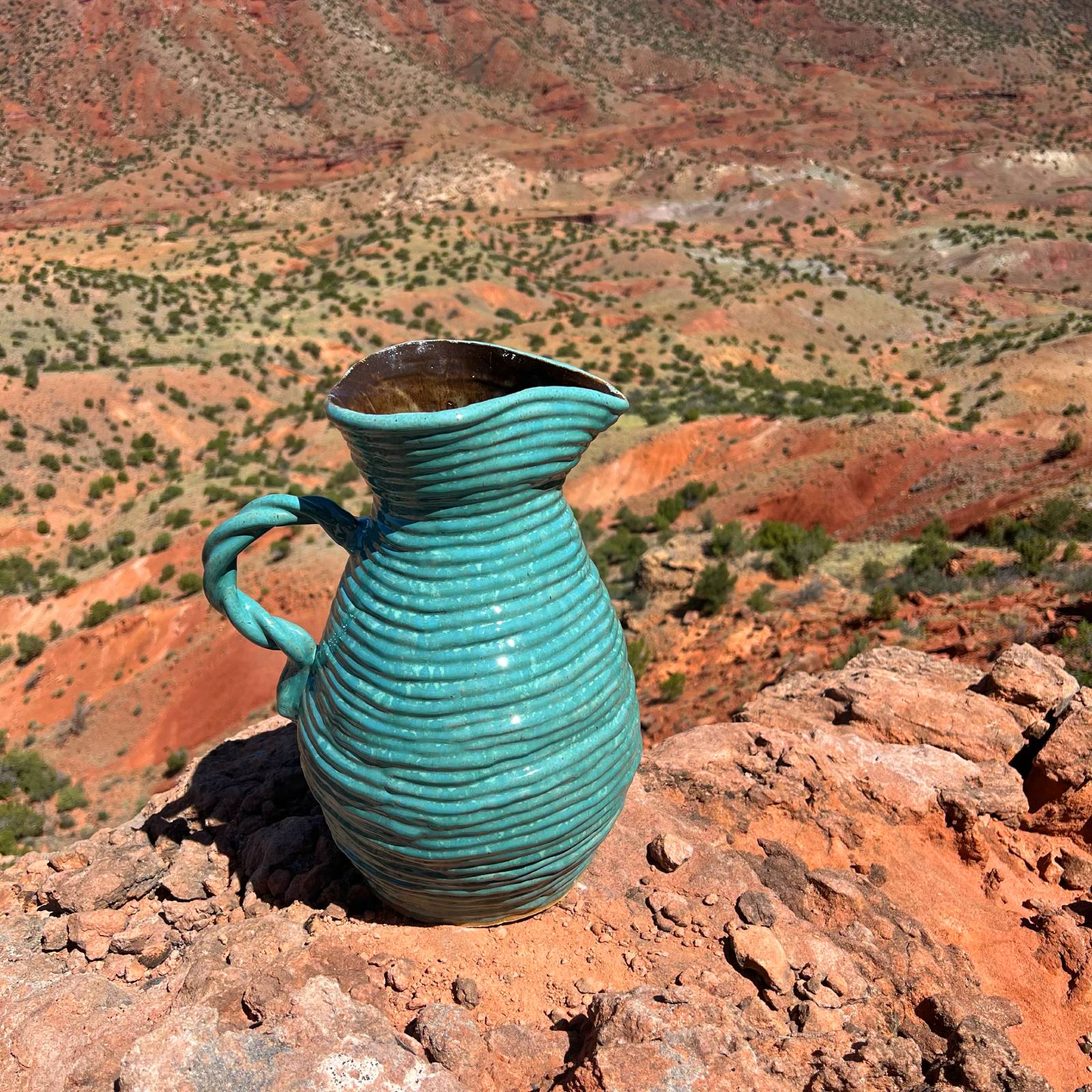
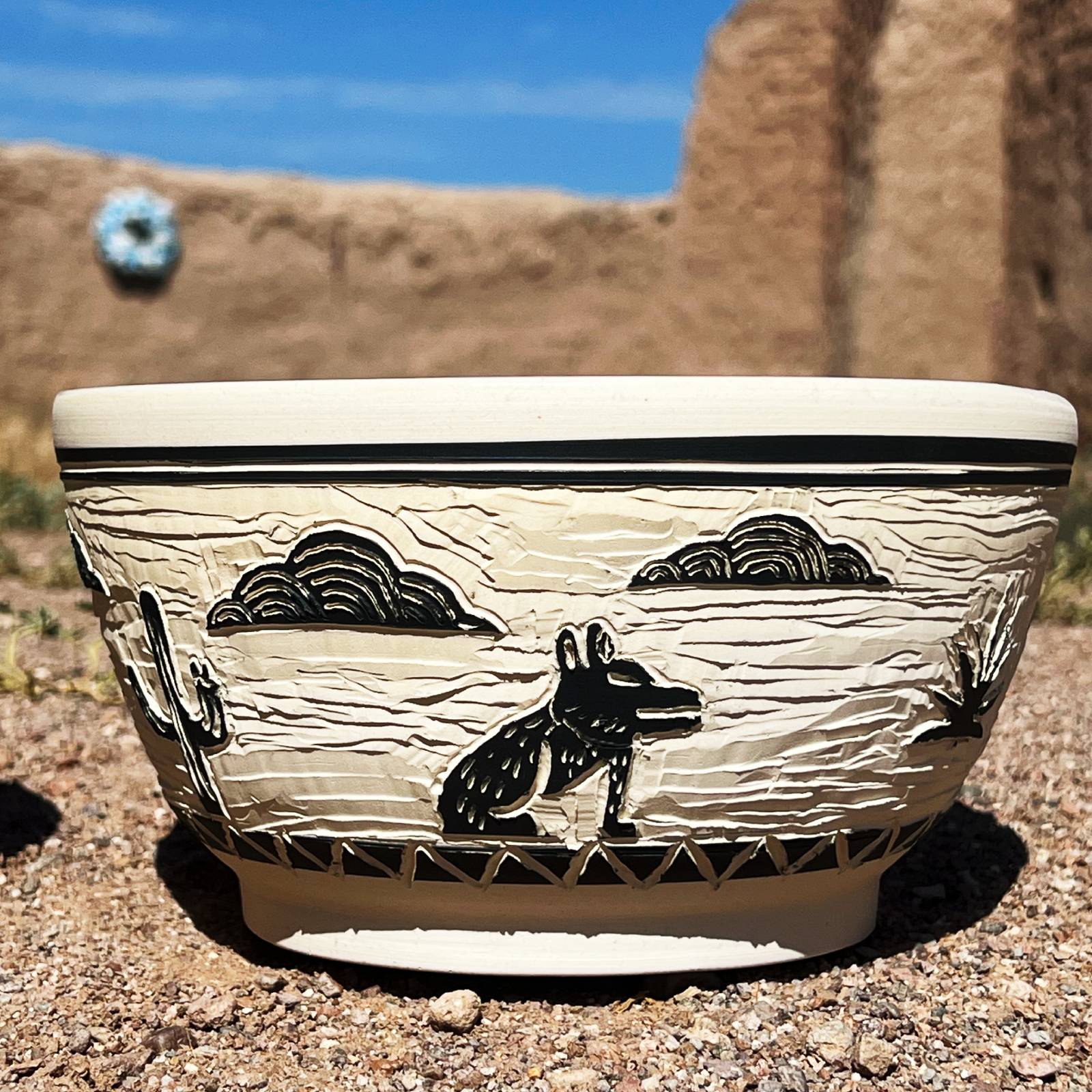
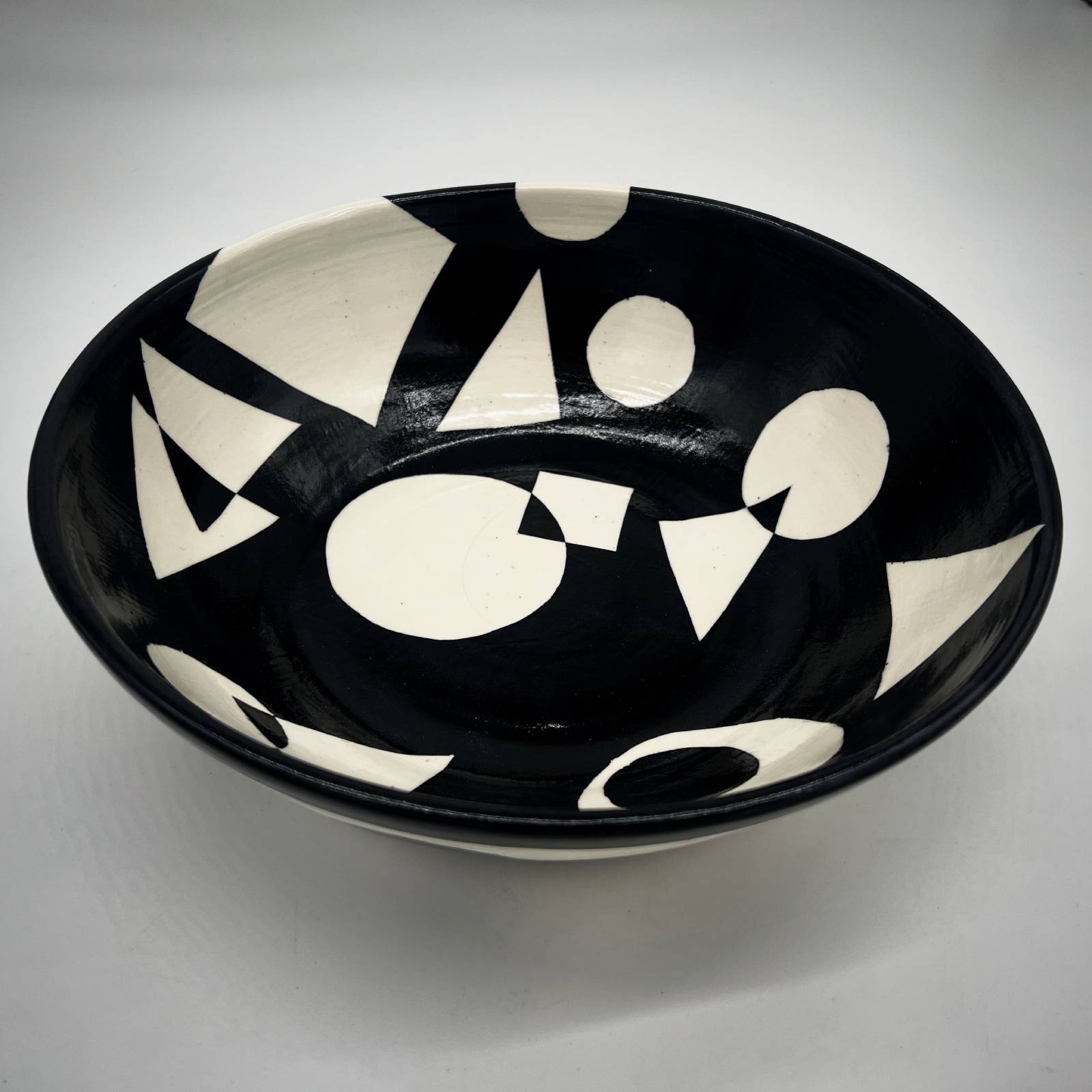
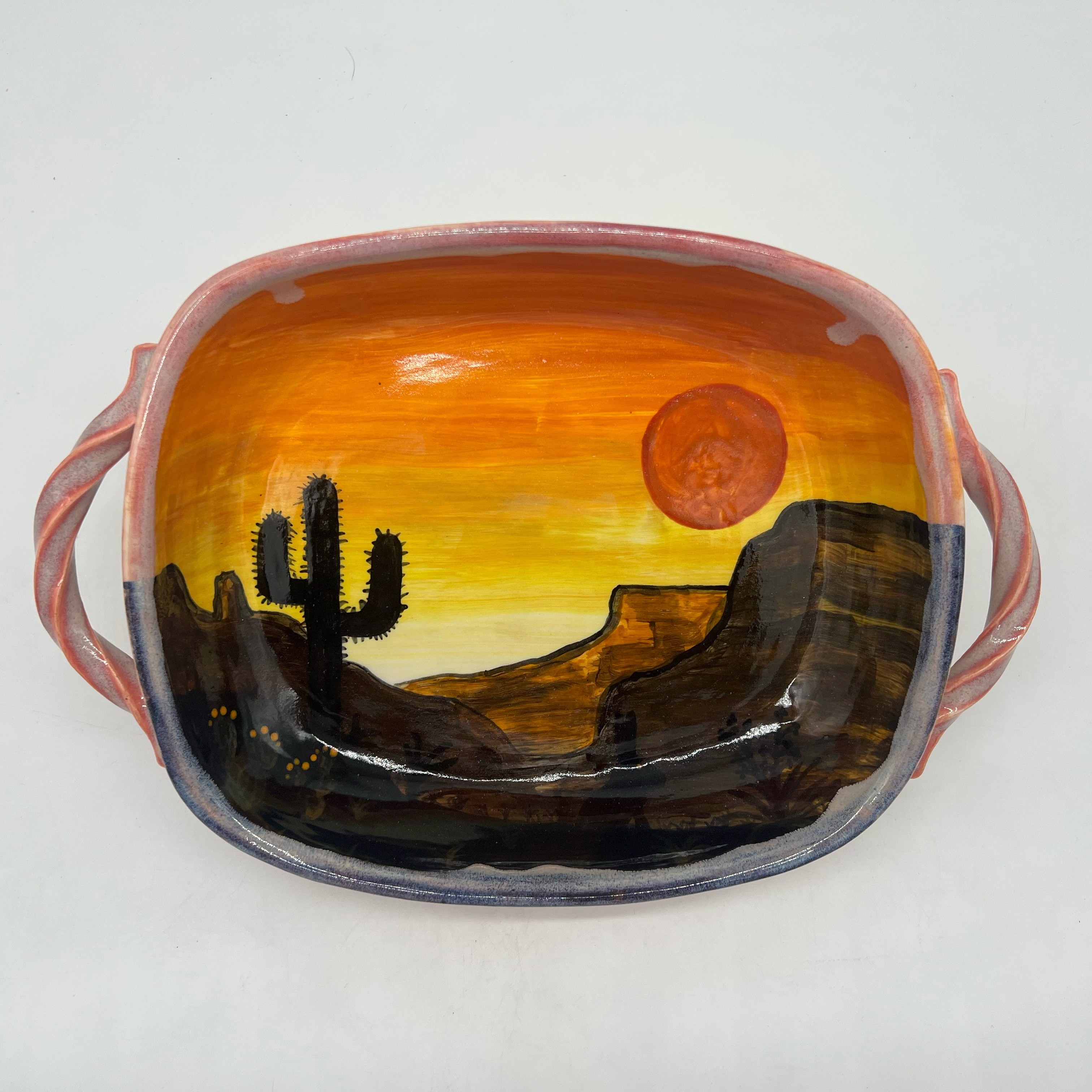
I’m a ceramicist, or “potter” if you prefer something a bit more humble. I make functional and artistic pieces out of clay: mugs, vessels, French presses, jewelry holders, pour-over coffee sets, baking dishes, fountains, sculptures – you name it. I work with a variety of techniques including wheel throwing, hand-building, and slip casting, often combining them in ways that are playful, unexpected, and sometimes downright strange.
At the Denver Rec Center studio, I’ve earned the affectionate nickname “the baby arm guy.” That’s thanks to my recurring use of vintage slip cast molds: specifically baby doll arms and legs, which I attach to more traditional pottery forms. It started as a fun experiment but quickly became something that makes people smile, laugh, or do a double take. While I wouldn’t call it my full artistic identity, it certainly brings me joy and sets my work apart in a way I never planned for.
What I’m most proud of is my creative persistence. I have a vision when I begin, and while ceramics often forces you to change course, I’m committed to seeing that vision through, no matter how many attempts it takes. Some of my best pieces have come out of that refusal to give up, even when earlier versions failed, cracked, or completely exploded in the kiln.
I’m proud of my experimental mindset. I like to push the boundaries of what clay can do. That might mean stacking techniques like slip casting and wheel throwing, layering glazes in unconventional ways, or playing with unexpected forms. I don’t take myself – or my art – too seriously. That’s one of the reasons I got into ceramics in the first place: to quiet my overactive mind and let myself play after a long day of digital marketing work.
What sets me apart is my willingness to explore and embrace failure as part of the process. I view each misstep as a stepping stone toward mastery, or at least toward something more interesting. I don’t believe in playing it safe.
I’m also committed to community and education. I host wheel throwing classes, hand-building workshops, and ornament glazing events where I share everything I’ve learned. Whether it’s teaching someone to center clay for the first time or demystifying the madness of glaze chemistry, I love passing on the knowledge I’ve gained through trial, error, and obsession.
In the end, I believe art is only truly art if it creates an emotional response. That response might come from a beautiful form, an unexpected texture, or the story behind a piece. Sometimes it’s laughter. Sometimes it’s curiosity. And sometimes, if I’ve done it just right, it’s both.
Before we go, is there anything else you can share with us?
Art isn’t just for trained professionals or fine art collectors – it’s for everyone. Whether you’re creating it or simply appreciating it, art is meant to inspire, challenge, and bring emotion to the surface. Art has no age limits, no required credentials, and no barriers based on background or income. It’s one of the few things in life that truly belongs to all of us.
Denver is one of the most creatively vibrant cities I’ve ever lived in. It seems like there’s a pottery studio or workshop on every corner these days, and that’s a good thing. If you’ve ever wanted to try your hand at something creative, now is the perfect time.
The Denver Rec Center offers affordable classes in ceramics, painting, drawing, raku firing, and more. You can take a beginner class and leave with something tangible you’ve made with your own hands. Beyond that, you’ll find community-based workshops around the city offering lessons in everything from stained glass and glass blowing to music and photography.
We’re also fortunate to have incredible museums. The Denver Art Museum is one of my personal favorites – so full of art and history that I limit myself to just one floor per visit to avoid overwhelm. The Indigenous Arts of North America collection especially speaks to me. The clay vessels, fired using traditional methods and painted with ancient designs, remind me of how timeless and rooted the ceramic arts truly are.
And art in Denver isn’t confined to museums. From the Western Art Museum to the Museum of Contemporary Art, and from RiNo’s vibrant street murals to a latte foam rosetta, art surrounds us.
We hear the phrase “stop and smell the roses” all the time. I’d also encourage people to stop and notice the beauty all around them, whether that’s a handmade mug, a sidewalk chalk drawing, or a neighbor’s flower bed. Art isn’t always a grand production. Sometimes it’s a moment. A gesture. A feeling.
So go make something. Or go admire something. The world needs more of both.
Contact Info:
- Website: https://www.alexschuppceramics.com
- Instagram: https://www.instagram.com/alex.schupp.ceramics