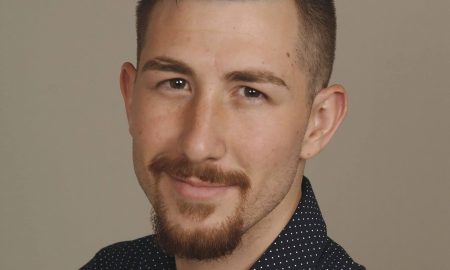


Today we’d like to introduce you to Brian Kim.
Brian, let’s start with your story. We’d love to hear how you got started and how the journey has been so far.
My journey to become a psychotherapist began in my teen and young adult years when I struggled with mental health issues myself, more specifically depression, anxiety, and panic attacks. Growing up in my teen and young adult years in the late 90’s into the early 2010’s, the stigma around seeking support for such problems led me to believe that voicing my issues was a sign of weakness and would only further confirm the idea that I was inherently flawed and broken. Afraid of the truth, I denied the obvious reality of my inner mental state and tried to live my life as though nothing was wrong. Little did I know that such a belief around seeking support would only exacerbate my mental health issues even more.
By the time I reached my mid-twenties, my depression, anxiety, and panic attacks intensified to a such a degree that I no longer felt I wanted to carry on with the burden of living with such mental issues – the pain and suffering that came with simply existing were too much to bear. Battling suicidal ideations, I decided to put down my beliefs around seeking mental health support and began therapy. Incredibly enough, with the proper support and guidance from my therapist, I was able to understand the root of my mental health problems and gained greater clarity on who I was and was growing to become. During this therapeutic process, my therapist and I combined specific life disciplines and habits with tools and skills that cultivated a sense of resiliency, confidence, and the autonomous sense that I was capable within myself to face life’s challenges.
With this newfound understanding of who I was and how I needed to approach life that worked for me, I was inspired by the therapeutic process – so much so that a fire was lit within me. My life’s passion became about assisting individuals who are faced with the challenges of growing up, feel overwhelmed, and don’t realize that the proper help and support is available. Because I benefited immensely from the therapeutic relationship, I was moved to provide that same kind of support for others. I have experienced time and again the transformative power of the therapeutic relationship and its intrinsic capacity for healing and growth. Ultimately, I strongly believe that the life stages of adolescence and young adulthood can be a great opportunity for self-discovery, empowerment, and learning how to live out one’s innate potential.
Great, so let’s dig a little deeper into the story – has it been an easy path overall and if not, what were the challenges you’ve had to overcome?
Smooth would not be a word to describe my journey in becoming a psychotherapist. As I mentioned in my answer to the previous question, there were some incredibly challenging periods in my life as I battled not only with my mental health issues but in coming to terms with my beliefs around seeking support despite the general stigma in the mainstream culture around doing so. Putting down the beliefs I held that seeking support meant I was weak in someway really allowed me to place less value on what others thought about me, and in the process freed up my energies to really discover who I was, who I wanted to become, and the kind of support I needed in order to do so.
Interestingly enough, in my path towards realizing who I am and my place in the world, one of my biggest obstacles was myself. I had to shed past and current identities – identities that were familiar and therefore comfortable – that were no longer serving who I was yearning to become. Frankly, I was afraid of what I would uncover in this process. More specifically, I did not want to feel the discomfort and fear that comes with shedding old stagnating identities and discovering newer and better versions of myself.
We’d love to hear more about your work.
I am a psychotherapist from Boulder, CO. I provide a unique form of counseling and mentorship for teens and young adults who are navigating the challenges and complexities that come with this developmental life stage.
I use evidence-based research approaches combined with relational, mindfulness-based interventions in my clinical style. By utilizing various settings from my private practice counseling room to parks, hiking trails, places in the community, and even the client’s home, I bring a unique method to my relationship with my clients that integrates the role of counselor, coach, and mentor.
I am a Licensed Professional Counselor (candidate) and earned my Master’s Degree in Clinical Mental Health Counseling with a specialization in Contemplative Psychotherapy from Naropa University. My approach is unique in that it integrates a blend of both Eastern and Western psychology.
I have been working with tweens, teens, and young adults professionally in various settings including the juvenile detention center as a support group leader, out in the community in parks, client’s homes, cafes, and libraries as a professional mentor, at domestic violence shelters, in my private practice, and numerous mental health clinics. In addition, I have led both domestic violence survivor and Dialectical Behavioral Therapy (DBT) groups.
My life’s passion is in assisting young individuals who are faced with the challenges of growing up and navigating life’s complexities. In my view, the life stages of adolescence and young adulthood can be a great opportunity for self-discovery, empowerment, and learning how to live out one’s innate potential.
Do you look back particularly fondly on any memories from childhood?
My favorite memory from childhood was going for walks with my family and dog after dinner around our neighborhood during the summer. I can remember walking with my family in a quiet neighborhood to the beautiful vibrant colors of the sunset in the horizon while slowly taking in the fresh calming air. The sense of being a part of a family was incredibly special to me – one that anchored my belief in the importance of familial support and the sense of belongingness to a group larger than oneself.
Contact Info:
- Address: 2515 Broadway
Boulder, CO 80304 - Website: www.briankimpsychotherapy.com
- Phone: (720) 707-8482
- Email: brian@briankimpsychotherapy.com
- Other: https://www.psychologytoday.com/us/therapists/brian-kim-counseling-and-mentorship-for-teens-and-young-adults-boulder-co/461986


 Image Credit:
Annah Meintzer – https://www.annahmeintzer.com/
Suggest a story: VoyageDenver is built on recommendations from the community; it’s how we uncover hidden gems, so if you or someone you know deserves recognition please let us know here.
Popular
-

The Trailblazers: Rewriting the Narrative
-

Celebrating the Spotlight: Kaytee Shashore Turns Milestones Into Momentum
-

Humanity in the Machine: Alexander Raye Pimentel’s Cyborg Recall Questions the Cost of a Data‑Driven World
-

Raemi Anderson on Courage, Caution, and Answering the Call of the Landscape
-

Hidden Gems: Local Businesses & Creatives You Should Know