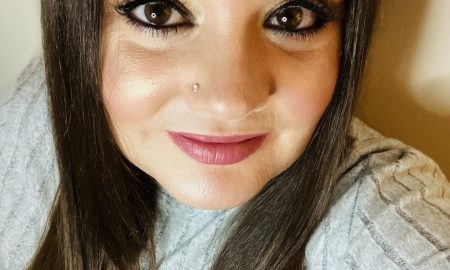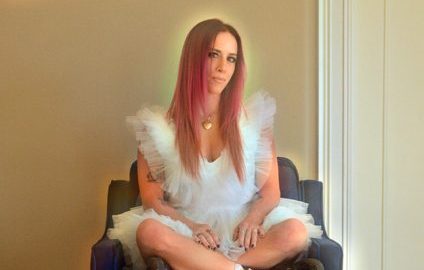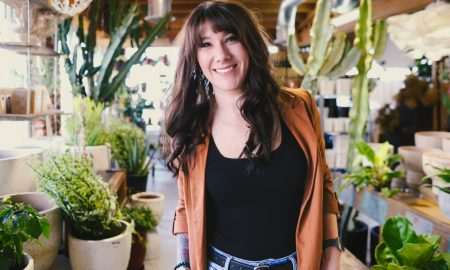


Today we’d like to introduce you to Corinne Denny.
Corinne, please share your story with us. How did you get to where you are today?
Before I started Denver Immersive Opera, I spent years trying to build a career in the traditional opera world as a singer, but I never seemed to be the “type” they were looking for. On top of that, I wasn’t seeing many productions that excited me as a singer OR as an audience member. Locally, I had been working as an opera stage director and administrator, so in 2017 I finally decided to take the leap and start my own company. The immersive component is something that’s been incredibly popular and successful in dance, theatre, and visual art, but hasn’t been used much at all in opera. At the same time, Denver only had one opera company, Opera Colorado, who rarely hires local singers for leading roles. I saw this as a great opportunity to fill a void for local singers and create productions that are relevant and interesting to all audiences- particularly those who have never been to an opera.
I produced three shows our first season (I sang in one and directed the other two) which was incredibly ambitious, but very successful. Our second season, I produced one concert and two operas (singing in one and directing both) with higher production values than our first season. Our first production of season two, “Bluebeard’s Castle,” was a collaboration with Whitney Waugh Dance, Understudy, and projection artist Chris Bagley. The sold-out show earned us a feature in the Denver Post and a nomination for a Westword Music Award. It has been crazy (but amazing) to go from a brand new company to selling out shows in such a short amount of time.
I took a few months off to regroup and bring more people onto the team (before I was doing almost everything by myself). For our third season, we’re planning a “Divas and Drag” concert- opera singers performing with drag queens, a regional premier collaborating with the University of Denver Lamont Opera Theatre, and a multi-location summer show. We have always been focused on supporting singers who identify as female, but this year we’re working on ways to do more for the classical singer community, particularly LGBTQ singers and singers of color.
Overall, has it been relatively smooth? If not, what were some of the struggles along the way?
Starting and running a performing arts company is difficult! Funding is always a challenge for opera companies, but we also have the challenges that come along with site-specific, immersive shows. But in general, the biggest challenge for me has been letting go, allowing other people to help, and learning how to delegate and supervise those duties. My big goal for this season is to improve on that.
Denver Immersive Opera – what should we know? What do you guys do best? What sets you apart from the competition?
Denver Immersive Opera presents operas in English in unique venues, and designs productions to be immersive and participatory experiences. In doing this, we aim to attract new audiences to opera and offer exciting opportunities to local singers. We focus on under-performed and American works, particularly those which tackle social issues.
DIO is a woman-owned and operated a company, with all of our permanent staff being female. To better reflect the singer population, DIO is committed to keeping our total singers cast each season at 50% female or greater. We plan to meet this goal by focusing works which have more female characters and changing the sex of some roles. Women have a huge disadvantage in the opera world, with fewer roles available and far more competition.
Some statistics:
Of Opera America’s list of the top ten operas produced in North America, only 38% of the roles are for women.
At DIO’s season auditions, 86% of the singers were women.
Of Opera on Tap Colorado’s singer roster, 72% are women. (Opera on Tap accepts singers on merit only.)
There are only a handful of opera companies creating productions like DIO does worldwide, and even fewer using only existent works. Our most popular productions so far were “Bluebeard’s Castle,” sponsored by Understudy, an experimental art space underneath the stairs at the Colorado Convention Center, and “Giovanna’s” an all-female reboot of Mozart’s “Don Giovanni,” set in a lesbian bar in the late ’90s.
What is “success” or “successful” for you?
Ticket sales are the obvious sign of success, but here are the things that I feel make a successful DIO production:
Does this production say something meaningful and relevant to modern audiences?
Does the immersive and site-specific aspect add to the meaning and heighten the audience connection without being a gimmick?
Is this something someone who has never seen an opera before would enjoy?
Are my singers and collaborators experiencing personal growth when working with me?
Is the work environment I am creating a “safe” space for singers, where they can show vulnerability and experiment without fear of being ridiculed?
I guess that can all be summed up as, “Are these productions moving the art form forward, even in a small way?” If I can answer yes to that question, I feel I am successful.
Contact Info:
- Website: www.denverimmersiveopera.com
- Email: denverimmersiveopera@gmail.com
- Instagram: @denverimmersiveopera
- Facebook: https://www.facebook.com/denverimmersiveopera


Image Credit:
Jillian Somerville
RDG Photography
Tallis Loy
Suggest a story: VoyageDenver is built on recommendations from the community; it’s how we uncover hidden gems, so if you or someone you know deserves recognition please let us know here.
Popular
-

The Trailblazers: Rewriting the Narrative
-

Celebrating the Spotlight: Kaytee Shashore Turns Milestones Into Momentum
-

Humanity in the Machine: Alexander Raye Pimentel’s Cyborg Recall Questions the Cost of a Data‑Driven World
-

Raemi Anderson on Courage, Caution, and Answering the Call of the Landscape
-

Hidden Gems: Local Businesses & Creatives You Should Know