

Today we’d like to introduce you to Povy Kendal Atchison.
Hi Povy Kendal, thanks for sharing your story with us. To start, maybe you can tell our readers some of your backstory.
When I was 12 years old, I told my parents I wanted to be 1 of 2 professions. I either wanted to be a photographer, or I wanted to be the Bionic Woman. My mother was well aware of my physical abilities, thought a photographer, might be a better or safer option for me. So my mother handed me her 1959 Rolliflex medium format camera and a closet filled with darkroom equipment. For the next 6 or 7 years, I took photography classes, art classes, and college classes over the summer.
I had a wonderful teacher in high school, Beverly French, who was more of an artist than a photographer. But Bev taught me about composition and light. And she encouraged me to teach middle school photography when I was a senior in high school.
My mother, who was a writer and historian, was asked to do a book on Colorado ghost towns and mining camps. She agreed to do it on the condition that I was the photographer for the book. They said yes but didn’t know I was only 14 years old. And she didn’t tell them. We did two books together before I graduated from high school.
I was lucky enough to be given two internships both in high school and after my first semester in college at the Denver Post with photographer Duane Howell. Mr. Howell, was hired as a photographer right out of college and was with the Denver Post for 36 years. He taught me professionalism, how to look for the story and how to get the shot. He changed the way I viewed and did photography. I went back my second semester at Bennington College and started looking into the stories of people.
I met photographer Sally Mann who was working on her first book, At Twelve. Her work was exquisite and intimate and perfect in my eyes. She looked at my work and suggested I go to a school specializing in photography. I took her advice after a 6-month detour in India, looking for those stories and learning to develop intimacy with my subjects.
I went to Brooks Institute of Photography in Santa Barbara, CA where I received a BA in photography specializing in multi- media production. This was in the late 1980’s to 1990 when people used multiple slide projectors. Each slide was glass mounted to hold its position and a reel-to-reel tape was used with music and cues to trigger the slide projectors. Sort of like todays Power Point, just way more complicated and labor intensive. I did my final 6 projector slide show on the Grateful Dead, winning a Sliver award from the Association of Multi Image.
I moved back to Colorado and found myself assisting architectural photographer J.L. Curtis. J taught me the ropes of getting a good interior shot. He also taught me how to look at the light and use the existing light in the room. To fill the shadows sparingly with strobes or hot lights to make the room look natural and not over lit. J got me in the door of CH&L (Colorado Home & Lifestyles) Magazine and the others seem to follow.
Doing editorial work for magazines was always interesting and challenging. One day you shoot food, the next people, gardens, and architecture. I was asked to shoot the very first Tiny House in Iowa, built by trend setter Jay Shaffer. The house was so small, 80 square feet, the editor had to stand outside the windows with my strobes in each hand so they would not show up in the shots.
When my son was born, I took a small break and was asked to do another book with my mother, Sandra Dallas. We worked on the Quilt that Walked to Golden. Photographing quilts from Golden’s Rocky Mountain Quilt Museum.
Non-profits and other books followed. I tried my hand at photographing the greenest, ugliest prepared food, cannabis infusions. (“The Cannabis Kitchen Cookbook” and “Sweet Mary Jane”).
But something was missing. Magazines started to go out of business leaving very few opportunities for, my first love, stories about people.
Local Golden artist Kathy Fisher joined a challenge called the “100 Day Project” where she painted every day and posted her work online so she would hold herself accountable for her progress. She said it was a chance to refine her skills and I thought it was a great idea.
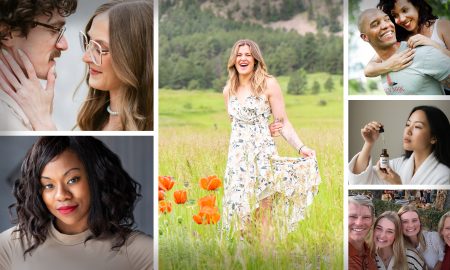
I asked my friend Abbie Kozik, also a painter, if she wanted to try a project similar to the 100 Day Project. But I said, photographing a different person each day for 100 days might be too much and shall we make it 50 days instead? Abbie, being the marketing genius she is, snickered and said, “How about 69 Days?” *So, our 69 Days project was born. I set out with the intention of refining my photo skills, my speed and downsizing my photo equipment. We did this twice over a couple of summers.
I, like many others found myself without work at the beginning of the pandemic. I saw local small mom and pop businesses struggling in Golden so I contacted the city to see if they could help those shops. But they only seemed to be interested in promoting the larger, better known and more profitable businesses. After connecting with Ron Benioff and Don Cameron, I was sent funding by the city and Golden United to come up with stories and photos on local business that were struggling. The writer and I worked on a few stories together then the writing fell on me. That was something I had never really done but it was COVID and I didn’t have the patience to work with sour dough starter. So, I started writing.
These stories eventually got the attention of Golden History Museum curator, Mark Dodge. Many months later I would start volunteering at the museum and work with Mark on photos of small businesses, trying to capture their stories and history before they closed.
As an understanding grew on how to manage and work with COVID, Abbie and I started up our “69 Days” project over the summer of 2022. I started with my usual intention of refining my skills but quickly found out this time the project was something else. It was not about refreshing my skills but rather became a reconnection to humanity and to the stories. During this project, I photographed the Golden History museum’s Assistant Curator, Vanya Scott. Vanya had told me that, in the past, history focused only on the Army General riding atop his horse rather than the people in the trenches, the people behind the scenes, the elderly, and the overlooked.
People commented on my photos asking for stories about the subjects. But I was not a writer.
I’m not going to lie. I, like everyone, else got a bit depressed during the pandemic and these projects made me so happy. I decided it was time to try something a bit more sustainable. A project where I could spend a bit more time with my subjects and to learn how to write about their stories and their histories. I started the “52 Tuesdays” project where I focused on photographing and writing about one person a week over a year.
Golden History Museum Director Nathan Richie asked if I would do a 6 month show for the museum’s Gallery. Nathan started a free public art space, known as the Salon at the museum. A place where they could highlight local artists, and viewers could experience different dimensions of culture and art as history. I eagerly agreed to do the show on the condition that it focused on people of Golden who have made or who are making history. I directed my attention to look for those people and called the museum show “Golden Folks”.
Something started happening that I had not expected. I stated getting feedback from people who had never commented or noticed my work. It seemed as though the stories, which I had always kept to myself, were the things that completed the photo.
As a photographer, it is my job to sometimes be invisible, a fly on the wall, so that people are not distracted by my presence and I am able to capture their true selves. This is especially true with children. Other times, I need to gain their confidence or be an ear to listen to what they are trying to represent. It is sometimes in those initial conversations where I see the shot. I see how they naturally sit or how they place their hand. But the most important thing I bring to every photo shoot is my ability to obtain my subjects’ trust. With that trust, they let me see into their lives. I can see their pain, their struggles, their joys and their achievements. And I can share who they are with the surrounding community.
With all of the political division, I think we are all in need of connection, understanding and hope. By knowing a little bit about each of these people, perhaps we can be inspired to introduce ourselves, maybe even get involved in something that can make a difference. Our seniors, our people in need, our people in the trenches.
46 years later, I am still here taking pictures. Sadly, the Bionic woman was only on the air for three glorious years. In the end, I suppose my mother was right, becoming a photographer was the best profession for me after all.
We all face challenges, but looking back would you describe it as a relatively smooth road?
When I started, it was really difficult to be a female photographer. Everyone always thought I was the makeup artist.
What do you like and dislike about the city?
I love Golden because I can make a difference using my photography and writing.
Contact Info:
- Website: https://www.povy.com
- Instagram: https://www.instagram.com/povyatchison/
- Facebook: https://www.facebook.com/profile.php?id=100046418002713#
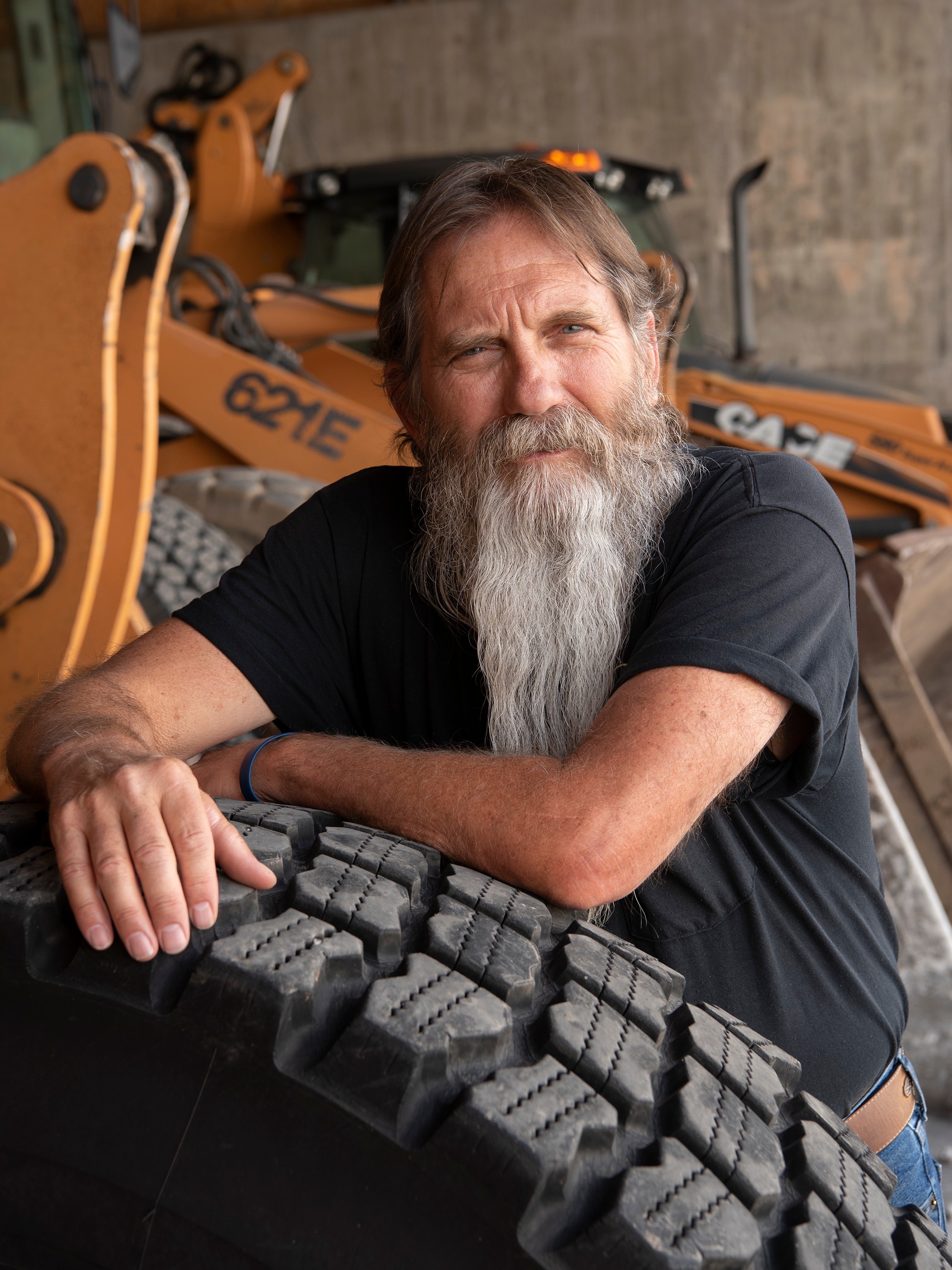
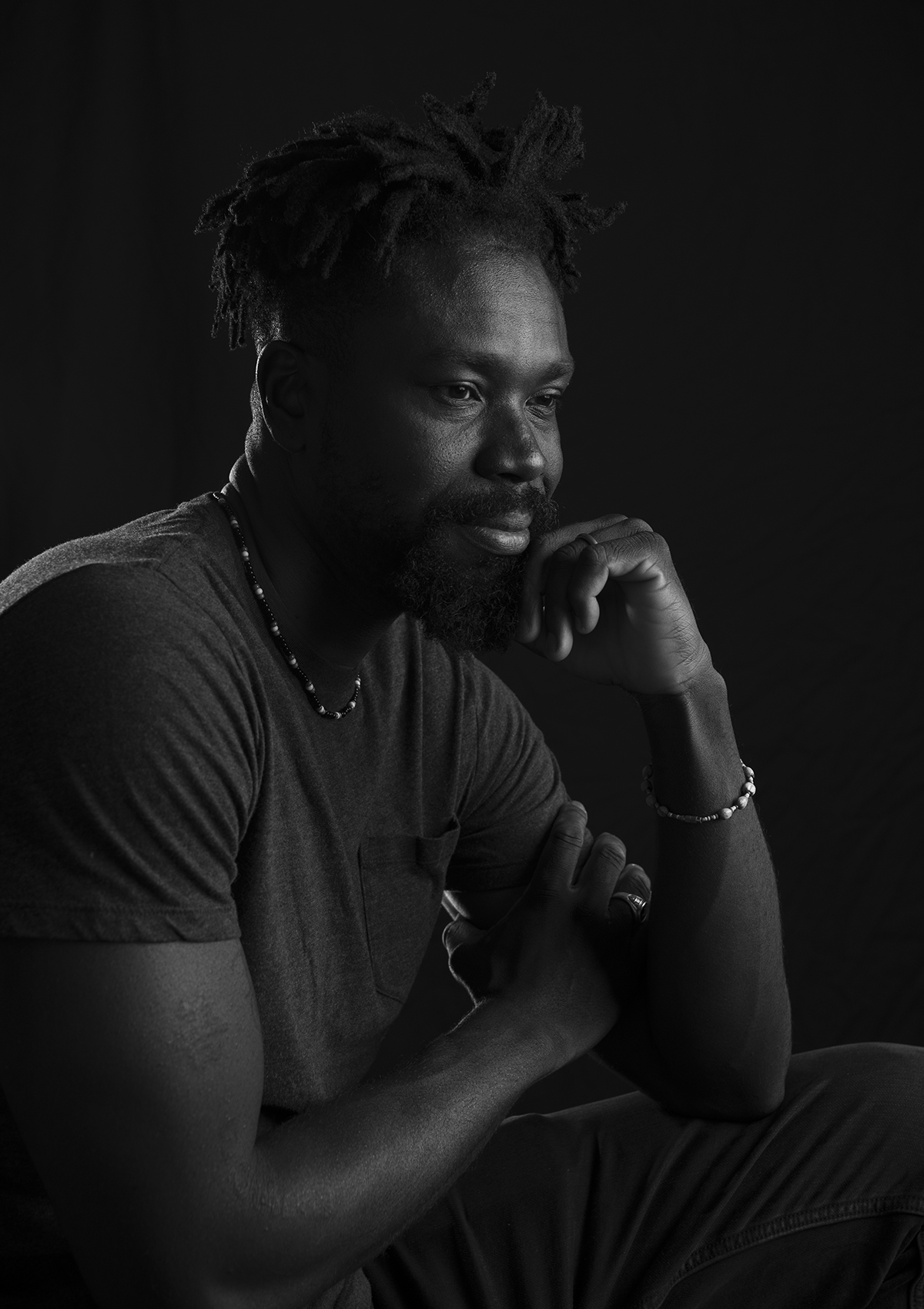
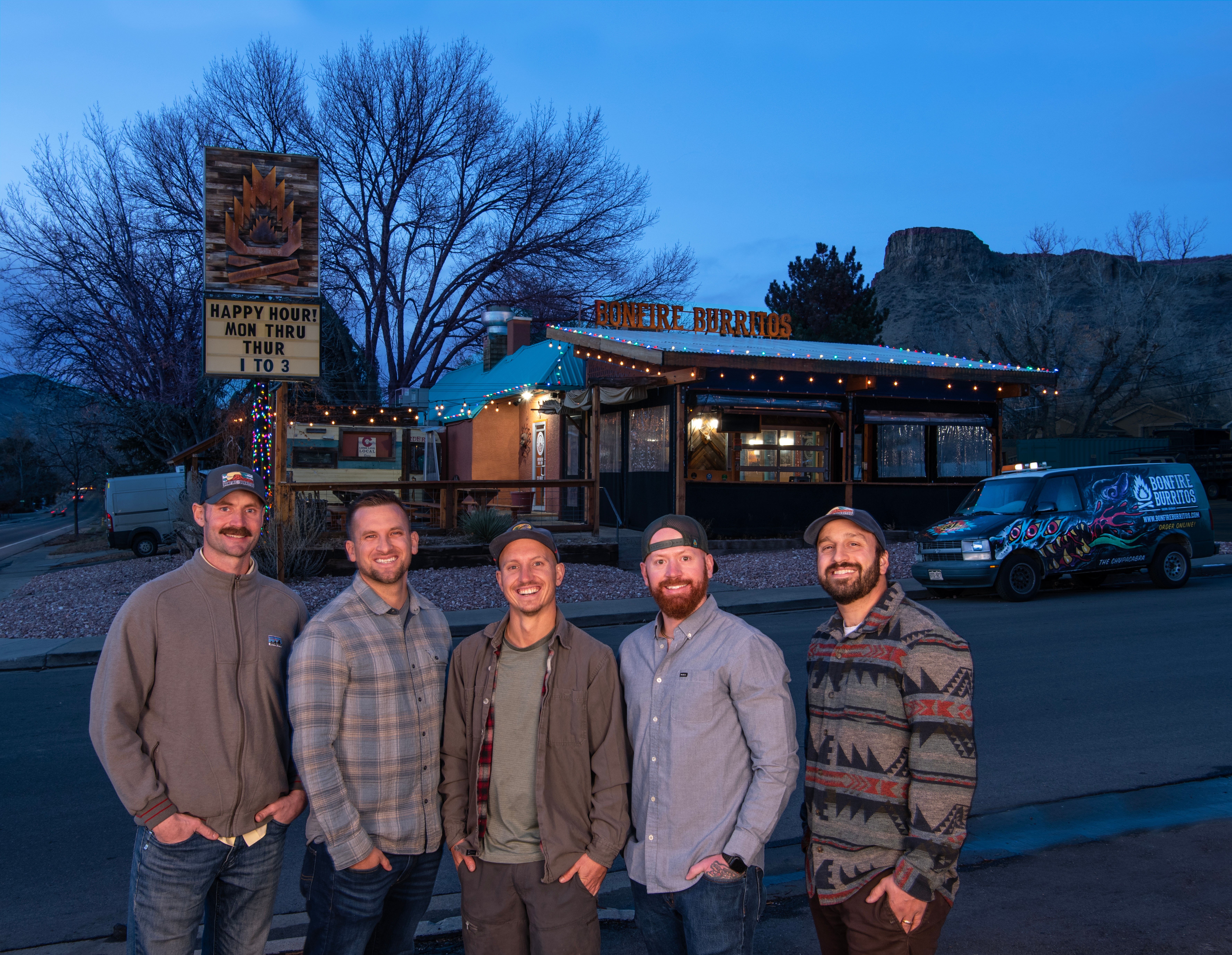
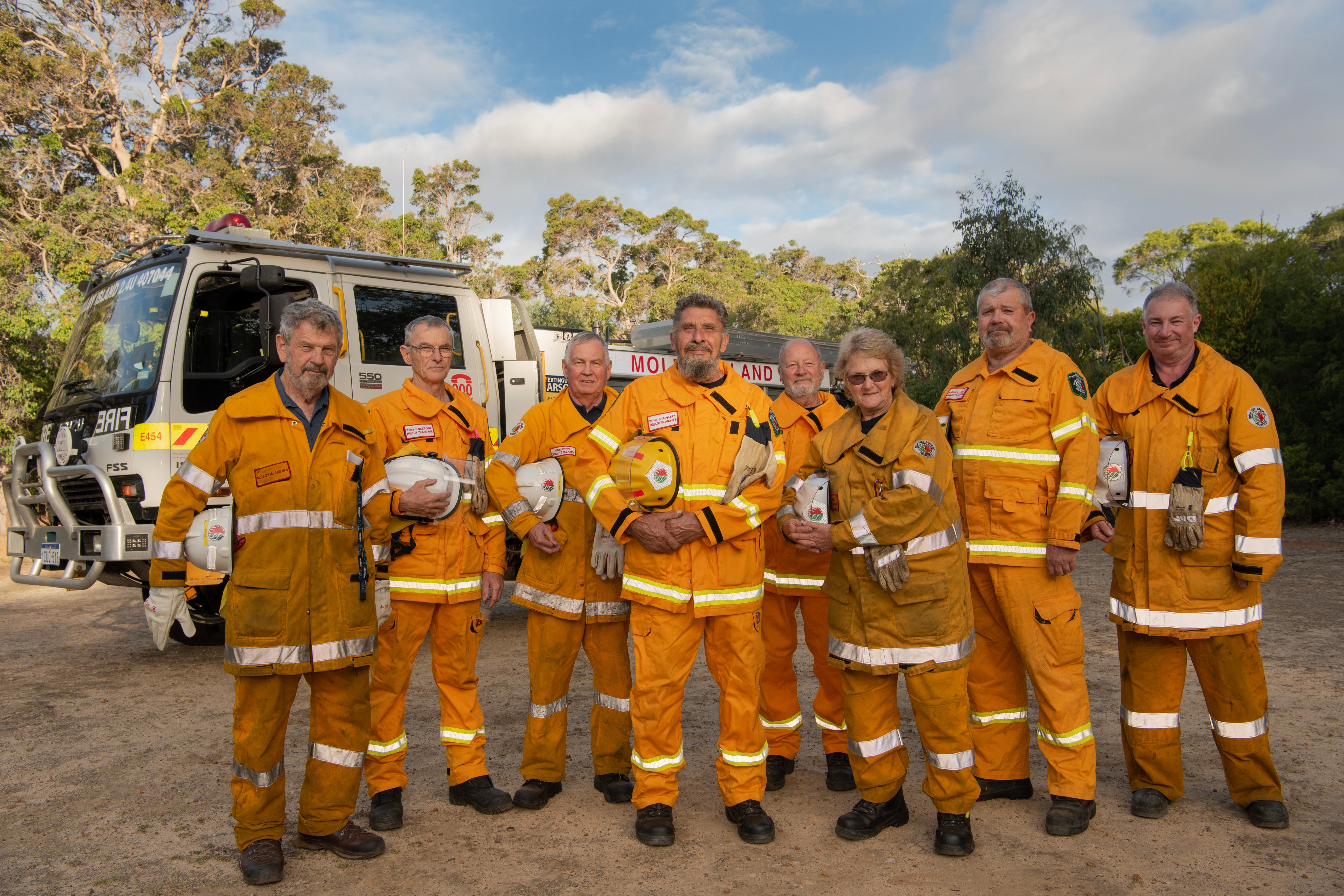
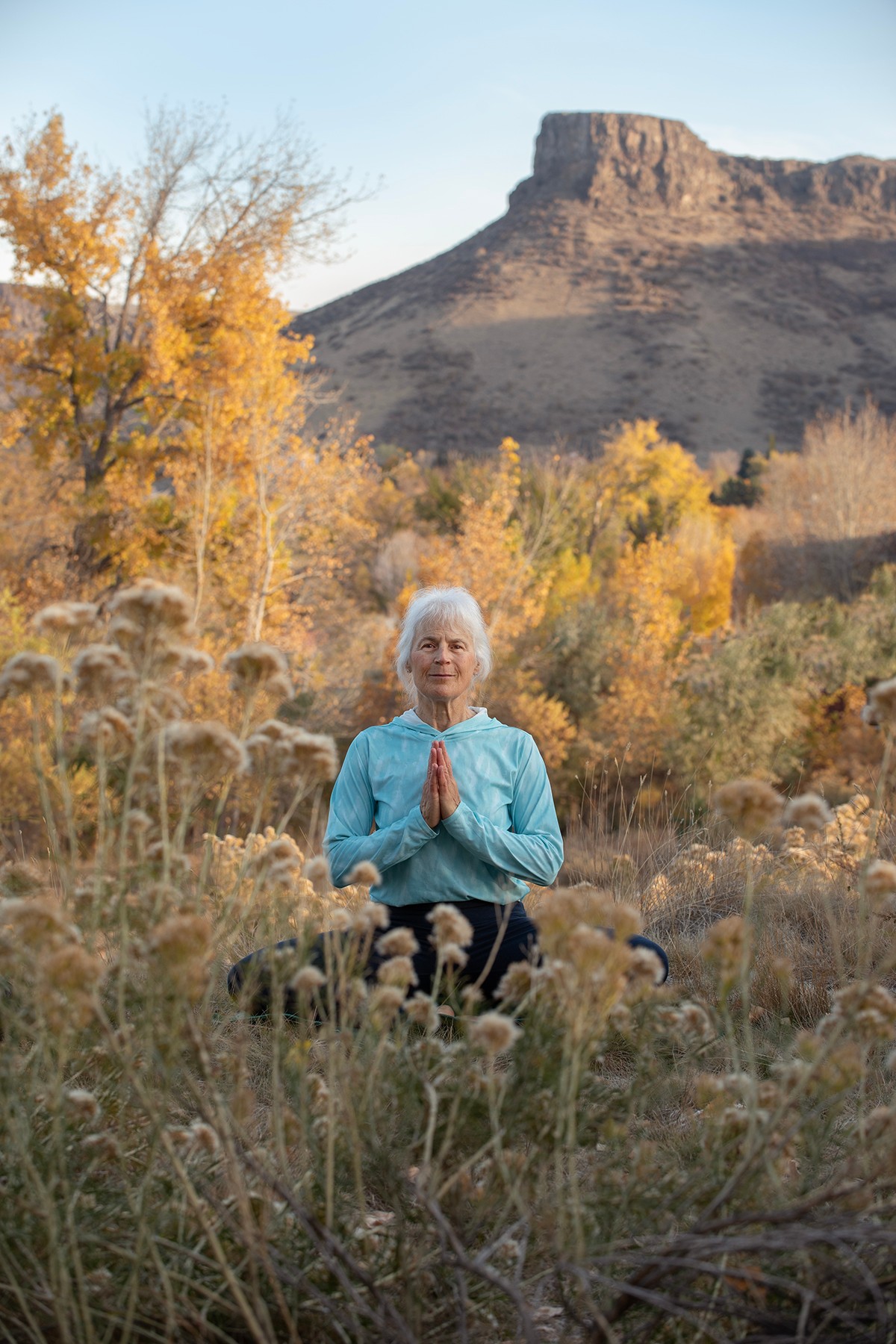
Image Credits
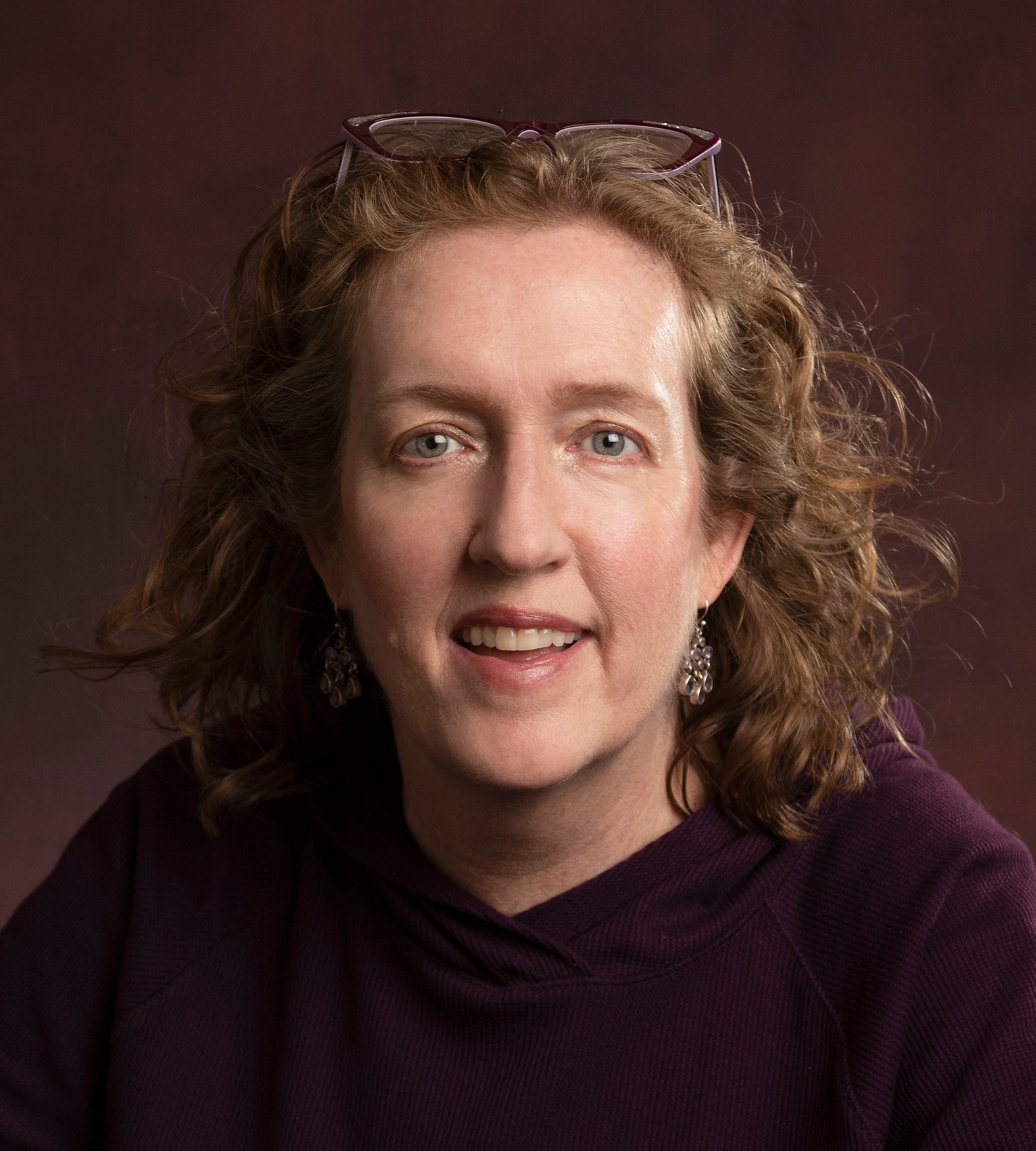
(self portrait)