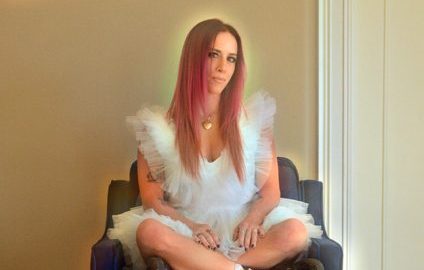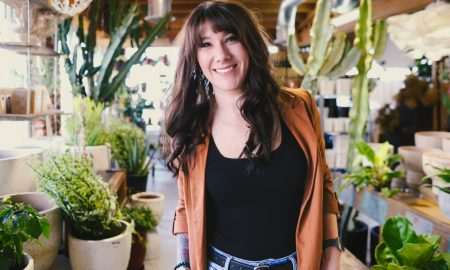


Today we’d like to introduce you to Jessica Kelner, DO.
So, before we jump into specific questions about the business, why don’t you give us some details about you and your story.
I took a hard fall during the last thirty seconds of a college intramural basketball game which, when the buzzer sounded, left my team tasting the sourness of defeat while I reeled in agony from a back sprain. It was through the intense pain and my search for relief that I learned and was first inspired to pursue a career in Osteopathic Medicine. After exhausting without effect all conventional methods of pain control, I went to see a doctor who was well known for treating these types of injuries. He performed osteopathic manipulation on me and finally, after three visits and two months of suffering, I was healed. At the time, I wasn’t aware of the vast realm of osteopathic manipulative medicine, but I knew I was captivated by his technique and sense of touch.
My interest in sports medicine and osteopathic manipulation evolved during college when I volunteered to help rehabilitate handicapped children. Through employing techniques that increased strength and mobility, I assisted them in overcoming their previous limitations in movement. The impact and alteration it made in their everyday lives further kindled my interest in osteopathy and the pathophysiology of injury and rehabilitation. A Masters in Exercise Physiology seemed the next logical step in the evolution of my life’s path.
As I began to discover how the biomechanics of injury was intimately related to an in-depth knowledge of anatomy and physiology, the osteopathic mindset began to cultivate in my mind. During my Master’s internship working with cardiac rehabilitation patients, I had the opportunity to see how vital the mind, body, and spirit was to healing the heart and preventing further injury. I worked closely with these patients, guiding them in performing exercises to strengthen their heart. I was moved by the transformation of their physical health and how it was so intertwined with the emotional. This experience reaffirmed my thirst for more knowledge about the human body and solidified my decision to attend an Osteopathic Medical School.
As I leaped into my first and second year of medical school, OMT (Osteopathic Manipulative Treatment) soon became one of my hobbies. While interning with a D.O. who used OMT (Osteopathic Manipulative Treatment) in his family medicine clinic, I saw how essential OMT was in a physician’s ability to fully treat a patient. OMT is a hands-on treatment that can help treat physical ailments, headaches, pain, even asthma. And it works right away. This made a lot of sense to me and I knew I wanted to use this to help patients. I began to learn the use of OMT in helping to rehabilitate injuries and free up tissue restrictions during the healing process. To be able to provide tangible, effective options for the mitigation of pain before invasive techniques or medications are employed is tremendously satisfying. To see, whether it is immediate or gradual, these improvements in a patient’s quality of life is for me, the ultimate reward.
While I was in medical school, I saw a broken healthcare system where people were not getting the care they needed or deserved. I saw a great need for patients to be cared for through a different approach than the traditional medical model. As a Doctor of Osteopathic Medicine, I already had the mindset that the whole body was connected and in order to truly help someone, you had to take a whole-person approach and truly listen to your patients.
During my residency, I was able to learn about regenerative medicine (Prolotherapy, Stem Cell Therapy, and Platelet Rich Plasma) for treatment of injuries that the body couldn’t heal on its own. I was blown away by this type of treatment because it uses your body’s own healing mechanisms to fix the problem without surgery or drugs. This type of treatment has been vital to helping my patients heal injuries, recover faster, thus resolving their pain.
Back to basic biochemistry and physiology, I realized that if the body isn’t getting the correct nutrients or the immune system is inflamed, people are more likely to be sick. It makes sense that the only way to heal people is to spend the time finding and treating the root cause of the issue. This involves a lot of time during the first visits with a patient, going through their history, examination, and lab tests to look at all of the potential facets that could be contributing to the issue. The traditional medical system doesn’t typically allow for that time to be spent with the patient.
After searching for jobs after residency, I realized there was a huge need for more doctors to practice this type of medicine. The type of medicine I’m referring to involves Osteopathic Medicine (whole person approach and hands on treatment), Functional Medicine (optimizing the body’s systems), and Regenerative Medicine. Instead of taking a job in a traditional based hospital system, I decided to take on the huge undertaking of starting a medical practice to help heal those patients that were searching for solution to their injury or illness. I decided to call the practice FORM Medical. FORM stands for Functional Osteopathic Regenerative Medicine.
Overall, has it been relatively smooth? If not, what were some of the struggles along the way?
My journey has been challenging in so many ways.
Alright – so let’s talk business. Tell us about FORM Medical – what should we know?
My goal with patients is to get to the root cause of their issue. I practice Functional Medicine, Osteopathic Manipulative Treatment, and Regenerative Medicine. I take a whole person approach to resolving patient’s issues, making sure to look at the issue from every angle. I also use a multifaceted approach to treatment, which is necessary in many cases.
Do you feel like there was something about the experiences you had growing up that played an outsized role in setting you up for success later in life?
As a child, I was never allowed to give up when something was challenging. My dad always encouraged me to keep trying and do my best. He always told me to do something that I loved. He said, “If you are passionate about it and do your best at it, you will find success”.
Contact Info:
- Address: 1525 Raleigh Street, Suite 300
Denver, CO 80204 - Website: FORM-medical.com
- Phone: 720-370-9559
- Email: info@form-medical.com
- Instagram: https://www.instagram.com/formmedical/?hl=en
- Facebook: https://www.facebook.com/FORMmedicalcenter/


 Image Credit:
Jessica Kelner
Suggest a story: VoyageDenver is built on recommendations from the community; it’s how we uncover hidden gems, so if you or someone you know deserves recognition please let us know here.
Popular
-

The Trailblazers: Rewriting the Narrative
-
Celebrating the Spotlight: Kaytee Shashore Turns Milestones Into Momentum
-
Humanity in the Machine: Alexander Raye Pimentel’s Cyborg Recall Questions the Cost of a Data‑Driven World
-

Raemi Anderson on Courage, Caution, and Answering the Call of the Landscape
-

Hidden Gems: Local Businesses & Creatives You Should Know