


We’re looking forward to introducing you to Gary Allen. Check out our conversation below.
Hi Gary, thank you so much for joining us today. We’re thrilled to learn more about your journey, values and what you are currently working on. Let’s start with an ice breaker: What do you think is misunderstood about your business?
Of course, we’re not a “business.” We’re a non-profit, and that definitely means we don’t make money. But as to what we do, we help prison inmates learn how to practice meditation and develop a spiritual path. Religious people usually get this right away, but I have the impression that the larger American culture would see this as “helping criminals feel better.” It implies that we somehow don’t care what they did or who they harmed; we just want them to feel good.
I think the first issue here is already taken care of by the justice system; they’re in the midst of being punished for their actions, and if you know anything about prisons, they’re not happy places. As for criminals “feeling better,” it begs the question of why were their crimes committed in the first place? Were they committed because the felon already “felt good”? Usually these are people with a lot of conflict in themselves that easily spills out into their environments, legally or otherwise. The greed or hatred that can lead to criminal behavior starts in the mind of the person. The attitude that “I get what I want, and it doesn’t matter what happens to you,” is already present in that person, even if they don’t say it aloud.
Fundamentally the strife, fear, anxiety, and impulsiveness that’s in someone’s mind precedes taking action that easily harms others. If they had a clear, peaceful mind devoted to compassion toward others, would criminal activity arise from that? Very rarely. So what we do addresses the individual’s psychological malaise that expresses itself in social harm.
Can you briefly introduce yourself and share what makes you or your brand unique?
My name is Gary Allen. I’m the Co-Executive Director of the Mindfulness Peace Project. Our office is located in Boulder, Colorado. Our primary work consists of bringing meditation and Buddhist teachings to prisons. We also present secular mindfulness to military veterans as a way of working with their minds and trauma. We receive mail from inmates all over the US and sometimes from other countries. We do personal correspondence, through the mail study courses, and donate books, media, and other support materials to prisoners and prisons. We also run some Buddhist groups in Colorado state prisons, and we’ve visited a variety of prisons over the years throughout the United States.
Great, so let’s dive into your journey a bit more. What relationship most shaped how you see yourself?
My Buddhist teacher, Chogyam Trungpa, imprinted me with both a sense of discipline about daily life and the need for that life to matter to others. I went through quite a lot of training in terms of how to personally understand my own mind and how it worked, He taught a lot about how to live with some sanity and good cheer and a sense of humor. There was a long absorption and application process around what meditation is and how to use it to cultivate a healthy presence and discerning intelligence. The natural outcome of that becomes an ability to understand how to work with your own suffering and to see beyond yourself to how the people around you suffer. The expansion of awareness automatically implies a responsibility to the larger world to help.
What did suffering teach you that success never could?
I certainly would never have followed the track I took in life without a lot of suffering jarring me out of my views and beliefs. When I was coming of age as a teenager, it was for me a kind of mounting existential crisis. I simply couldn’t understand how happiness came about. I had a lot of theories inherited from family and the larger culture–theological, aesthetic, hedonistic, historical, and so on–but I couldn’t get how it would work for me personally. I continually felt at odds with myself and often saw American materialism as this hollow facade that promised a lot and delivered little. I couldn’t figure out what to believe in or how to act that would ease the sense of dissatisfaction and conflict I carried around inside me.
I think the very severity of this eventually broke me through my limitations. My mind had become unbearable enough that when some intense circumstances came along that pushed me outside my tight confines, I suddenly saw my life in a whole different light. This is something I’ve seen happen again and again for people in prison. If prison does anything really good, it is that it forces serious reconsideration on how they’ve understood and lived their lives. Their approach has led them to sitting in a chaotic prison dorm for endless years on end, far from their families and worldly dreams, and it faces them with a very acute psychological suffering and sense of failure. Out of this, you might become open to approaching it all differently.
Next, maybe we can discuss some of your foundational philosophies and views? What important truth do very few people agree with you on?
Modern society tends to confuse science and scientific discoveries with a theological belief system extrapolated from science called “scientific materialism.” This view reductively sees reality as purely materialistic and mechanical and allows for no other possibility. Science, which only studies the material world and, historically, went through the Cartesian division between what can only be physical and must be explored through rational analysis appropriate to science, and what is spiritual, which can only be understood by spiritual means. To avoid the Church’s approbation, scientists focused exclusively on the physical realm, but eventually superseded the Church’s authority through their discoveries and successes in technology.
Not all scientists believe “only the material world is real,” but this tends to be an unchallenged view in scientific/academic circles, and it’s quite a standard view in modern culture. Unfortunately, this tends to limit our ability to see ourselves or the world around us in anything like a direct and liberating way. The world has many more dimensions than we give it credit for, and we ourselves do as well. If, for example, we perceive something wrong in our mental/emotional continuum, this must be a problem of brain chemistry and it has to be corrected by drugs. Whatever the utility of these kinds of drugs, this view easily robs us of agency in relating to ourselves internally. If we view the world around as as essentially a collection of dead objects, we automatically isolate ourselves from its connection and energies. Because our senses have no deeper meaning or implication, they exist for us automatically according to our labels and unexamined assumptions about them, and therefore we don’t truly open to their living experience. We regard time as if it’s determined by clocks, revolving mechanically from past to future, rather than understanding the power and freedom that comes through full engagement in the present moment.
These are a few of the malignant problems that come from taking this theory as unquestioned reality. We are not in this mechanistically predetermined fate; it is more that our thinking has predetermined it for us. How we see ourselves and how we see our world is a much more open field, and there’s a lot to discover there personally and directly. We don’t need a bureaucracy, scientific, religious, or otherwise to pre-filter it for us.
Okay, we’ve made it essentially to the end. One last question before you go. What are you doing today that won’t pay off for 7–10 years?
It might not pay off for a good deal longer than that. I do think of what I do at my job as playing the long game. The total American prison system has 1.8 million people in it on any given day of the year. We incarcerate more people than any other country on Earth. The harm that comes through people’s inner confusion and confused behavior is incalculable, really. And the harm that comes through the justice system and its ingrained institutional aggression is just as incalculable. Changing this fundamentally will not come about any time soon, though there are groups out there at work on it.
I’m not laboring to change prisons fundamentally, but I am laboring to bring a kind of spirituality into them that can and does change behavior in a meaningful way, despite the many things stacked against it. For the average felon, there’s a long sequence of life experiences, negative conditioning, and bad choices that lead up to an extended prison sentence. Simply punishing them doesn’t by itself shift that. In fact, what truly shifts it is the person waking up to their situation as untenable. They have to realize that how they’ve approached their lives has led to complete disaster. At that point, they become interested in approaching them differently.
That’s where I come in. If I can help them learn how to face and work with their minds through meditation, finally something authentic starts to happen. It can be in the midst of a very uphill battle against addiction, violence, self-hatred, and many other problems, but it becomes the light that starts to show a way forward. It’s rooted in their own innate goodness, which might have been quite buried but can start to emerge. That feels very different than whom they had been before. It’s not something you have to talk them into or a belief system you have to force them into. They get it on the basis of direct experience.
How far they take that is up to them. I’ll help them however and for as long as I can. I might get them through their prison sentence and back to the streets. Maybe they lose focus with their spiritual path at that point. Maybe I’m just getting them through a very hard part of their sentence. Maybe I’ve given them tools to pass through their whole life. Maybe I’ve just planted a seed that won’t sprout for ten years. I never know where it’s headed. Human lives are complex things.
From a Buddhist point of view, though, it’s one long continuum of LIVES, not merely this one. What may be a misbegotten, badly lived life might grow into something else altogether in the future. You can plant seeds of social aggression, injustice, selfishness, addiction, and so on, or you can plant seeds of light. They’ll grow sometimes in places you don’t expect and become something that surpasses your fondest dreams.
Contact Info:
- Website: https://www.mindfulnesspeaceproject.org
- Facebook: Ratna Peace Initiative
- Youtube: Mindfulness Peace Project
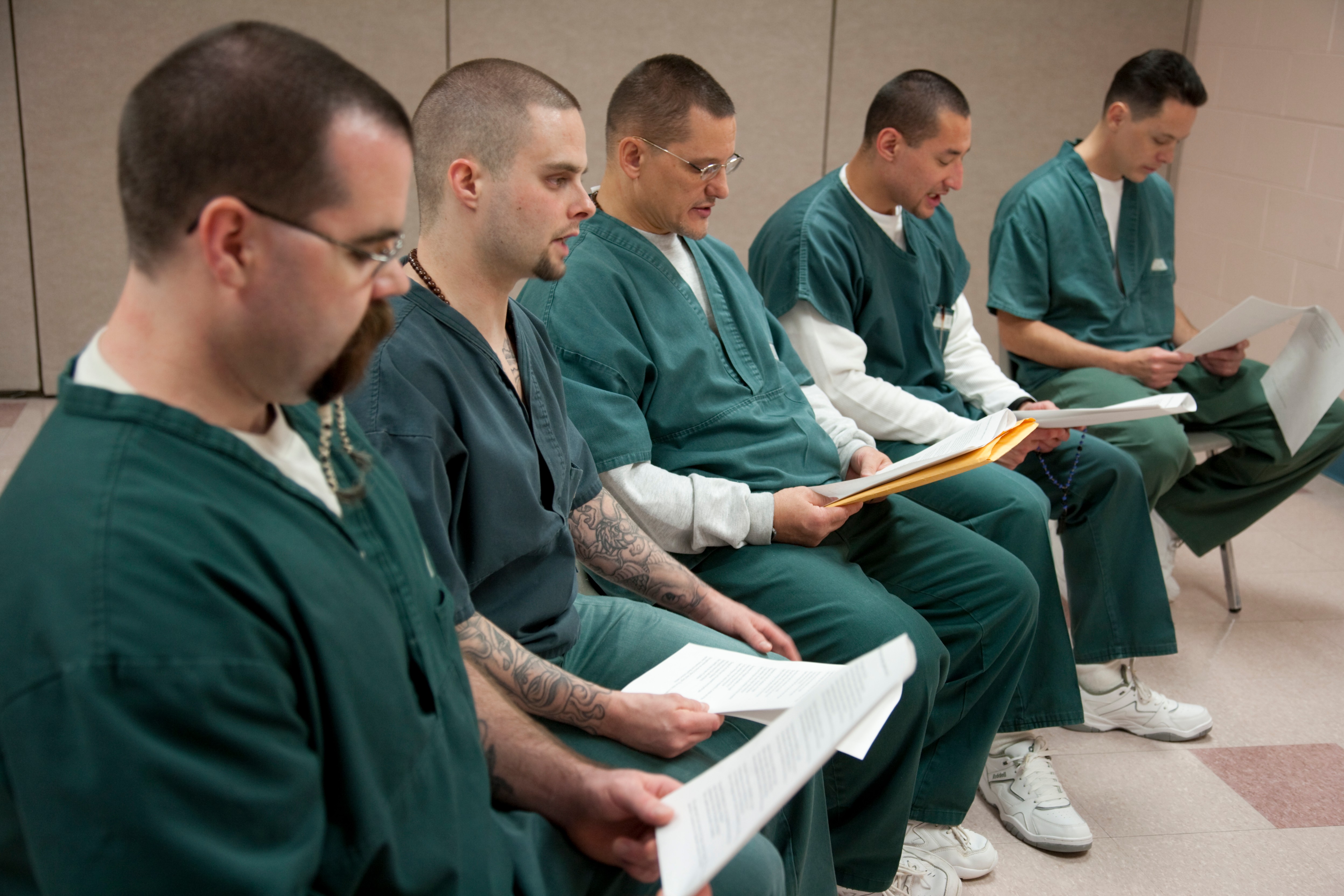
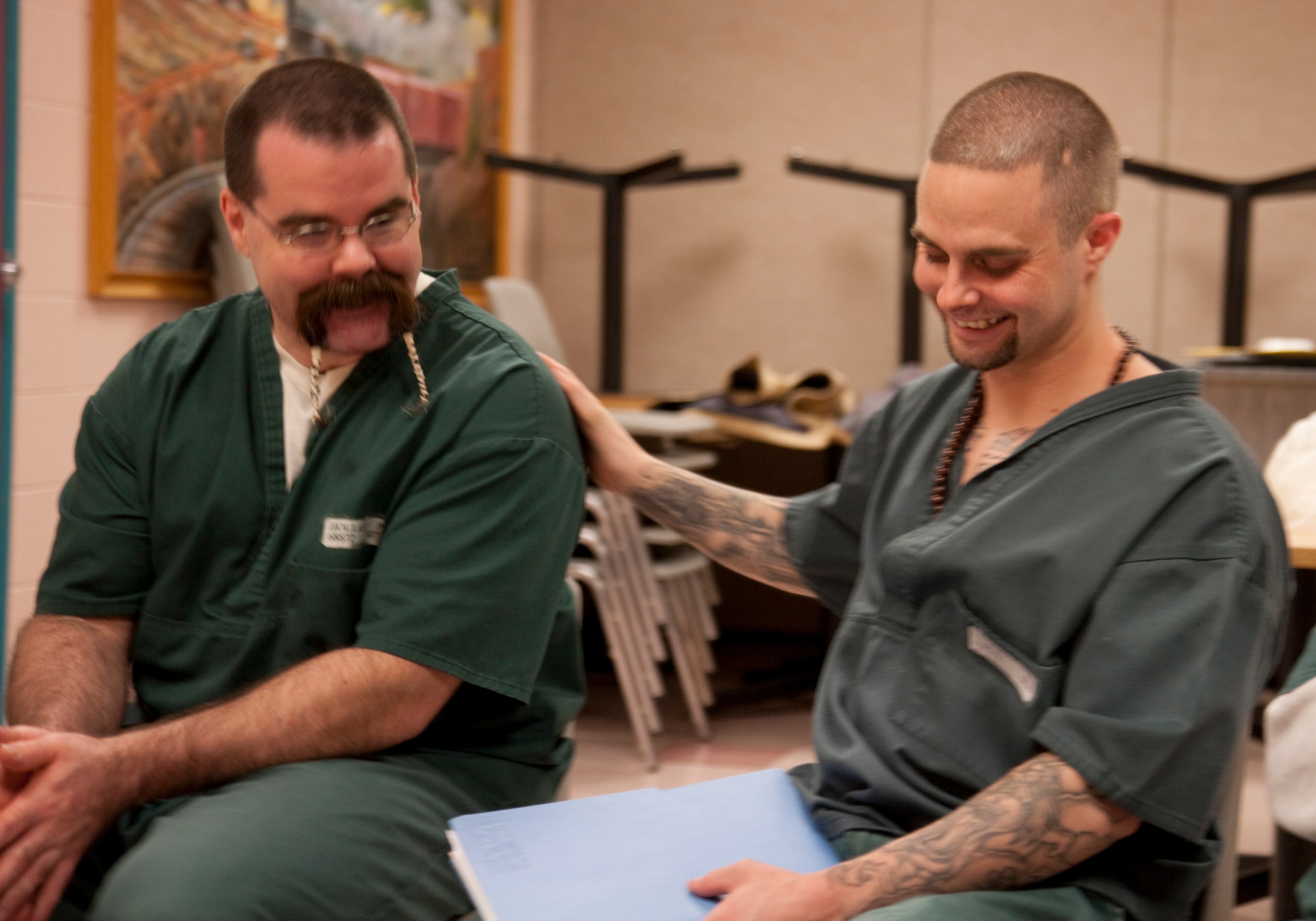
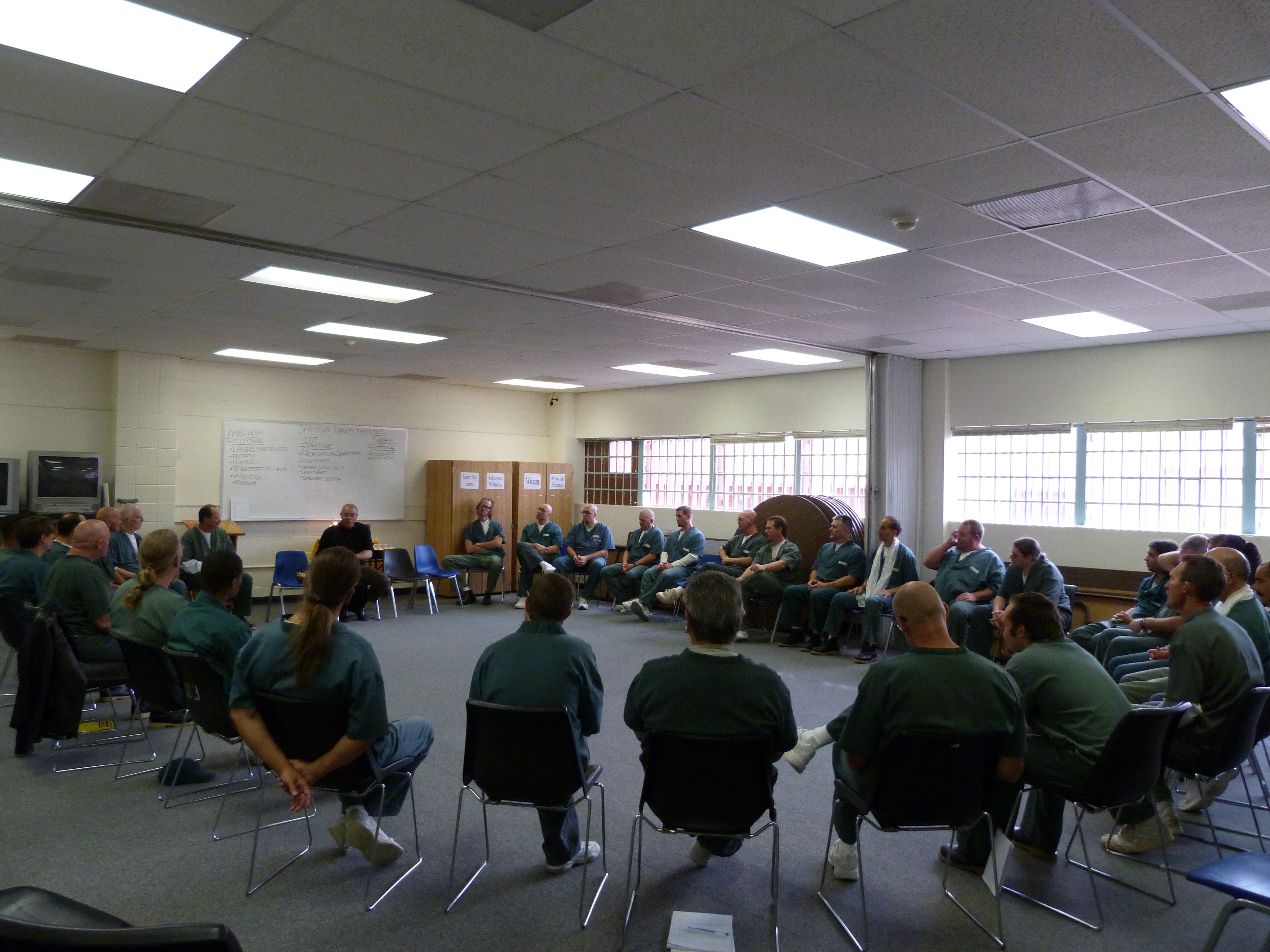
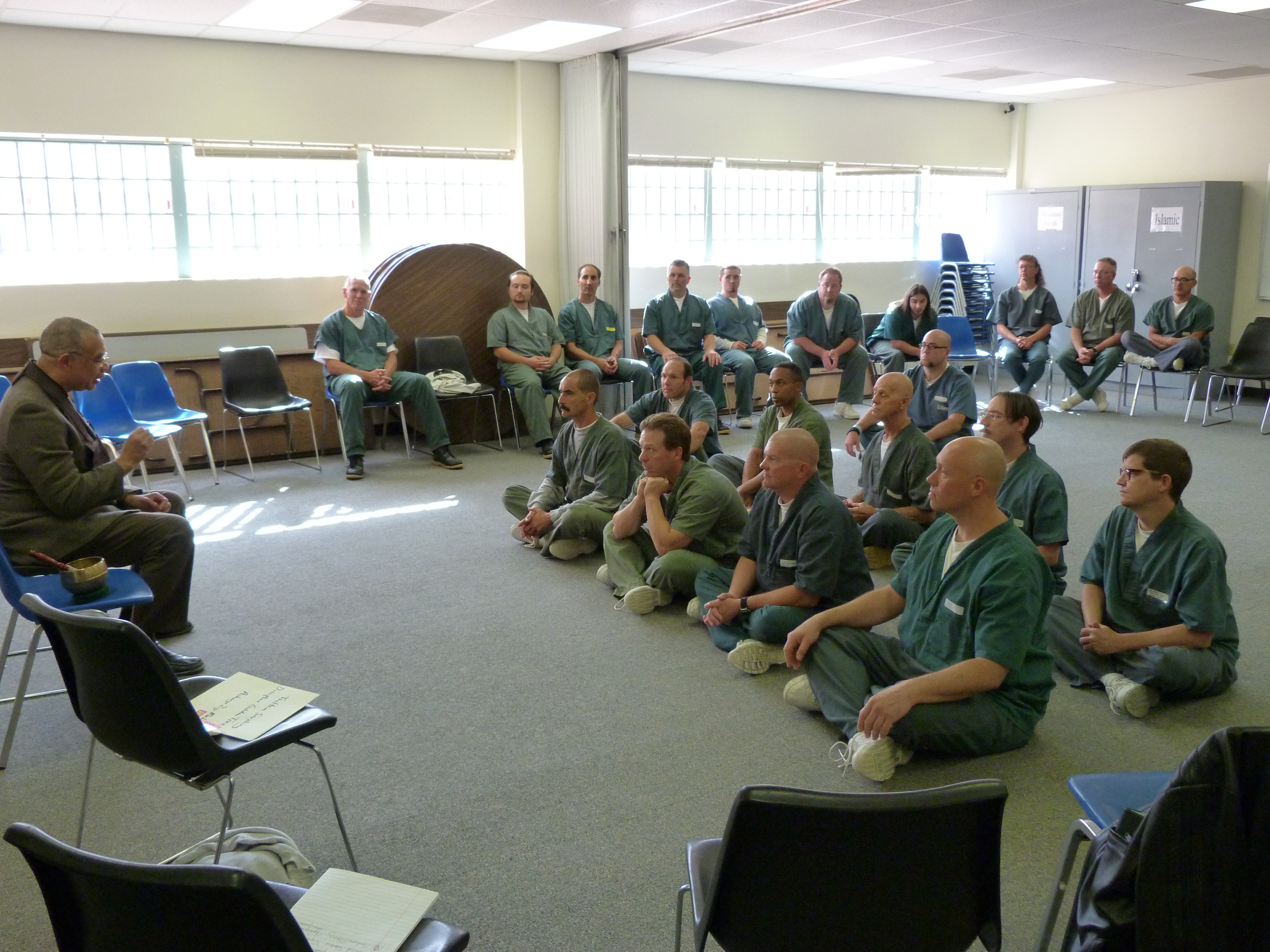
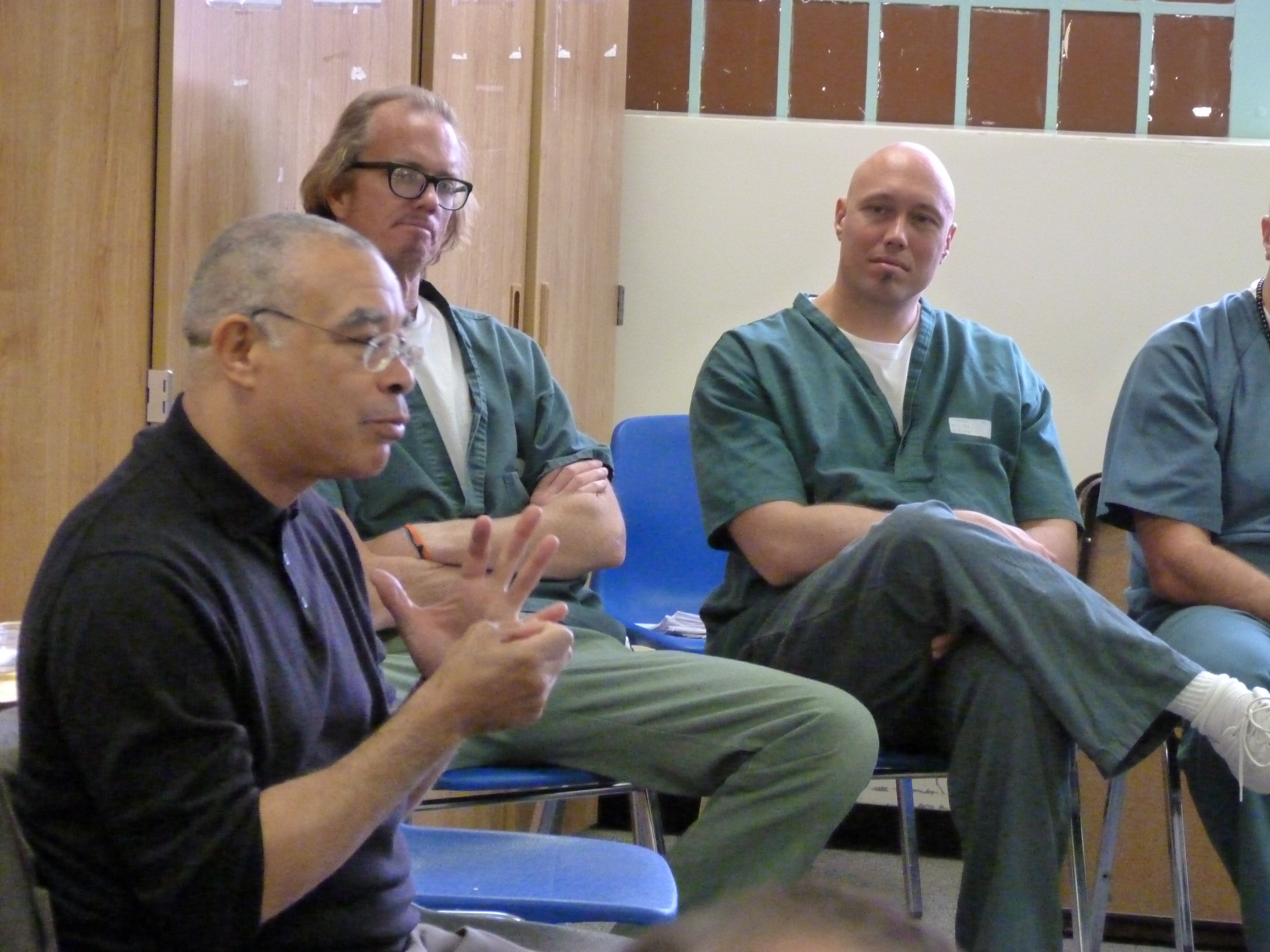
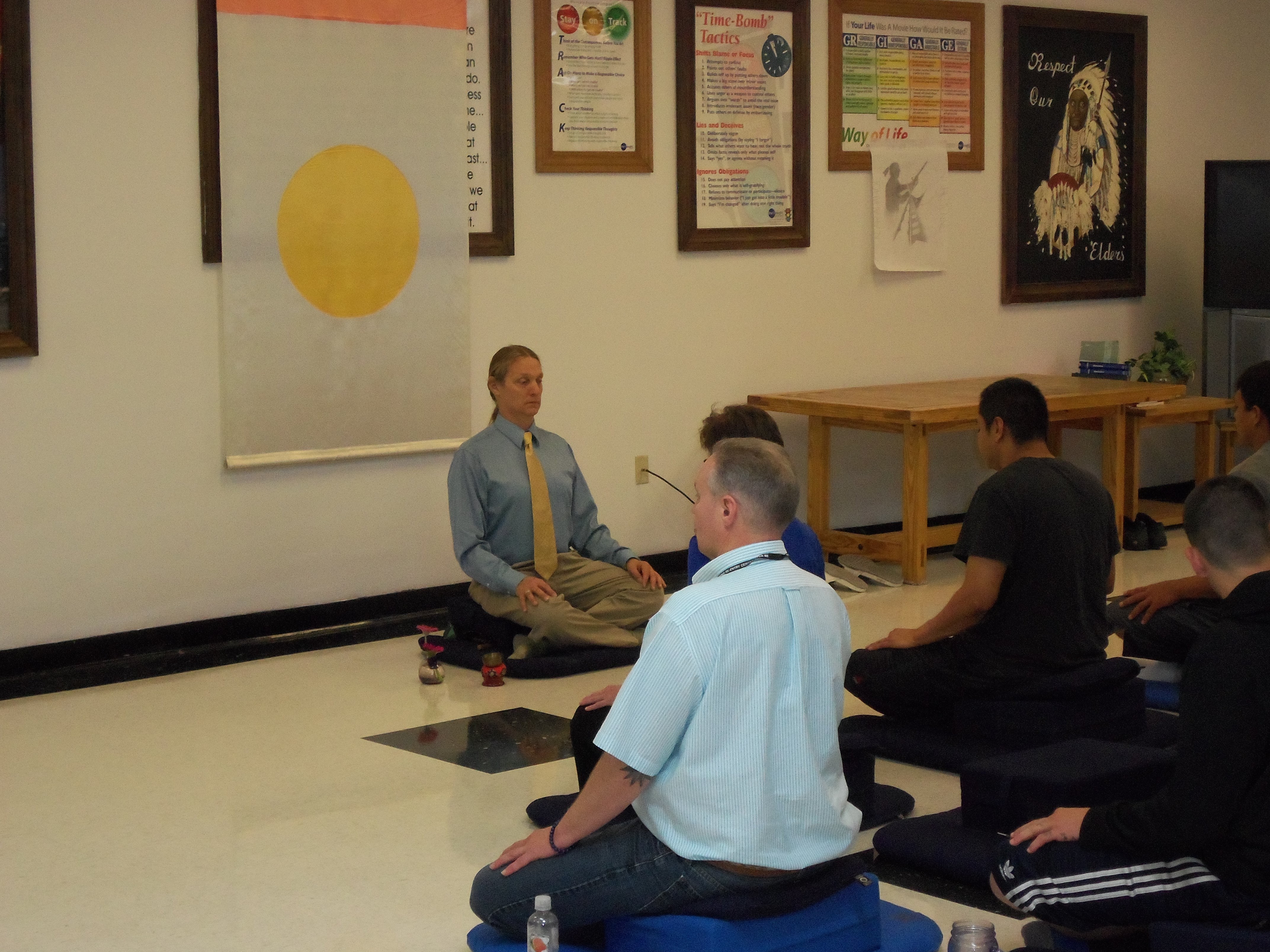
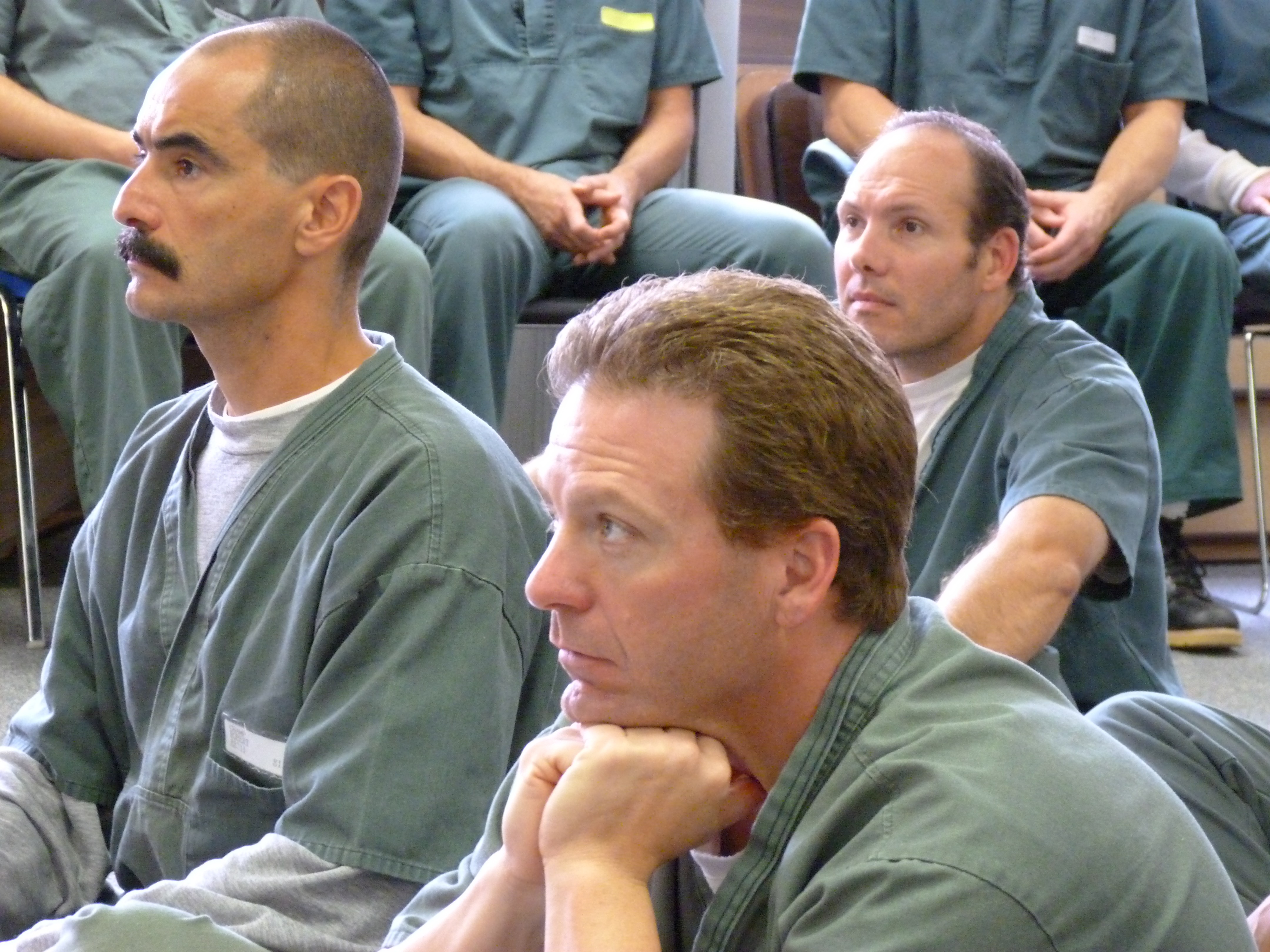
Image Credits
Gary Allen, Tracy Steele