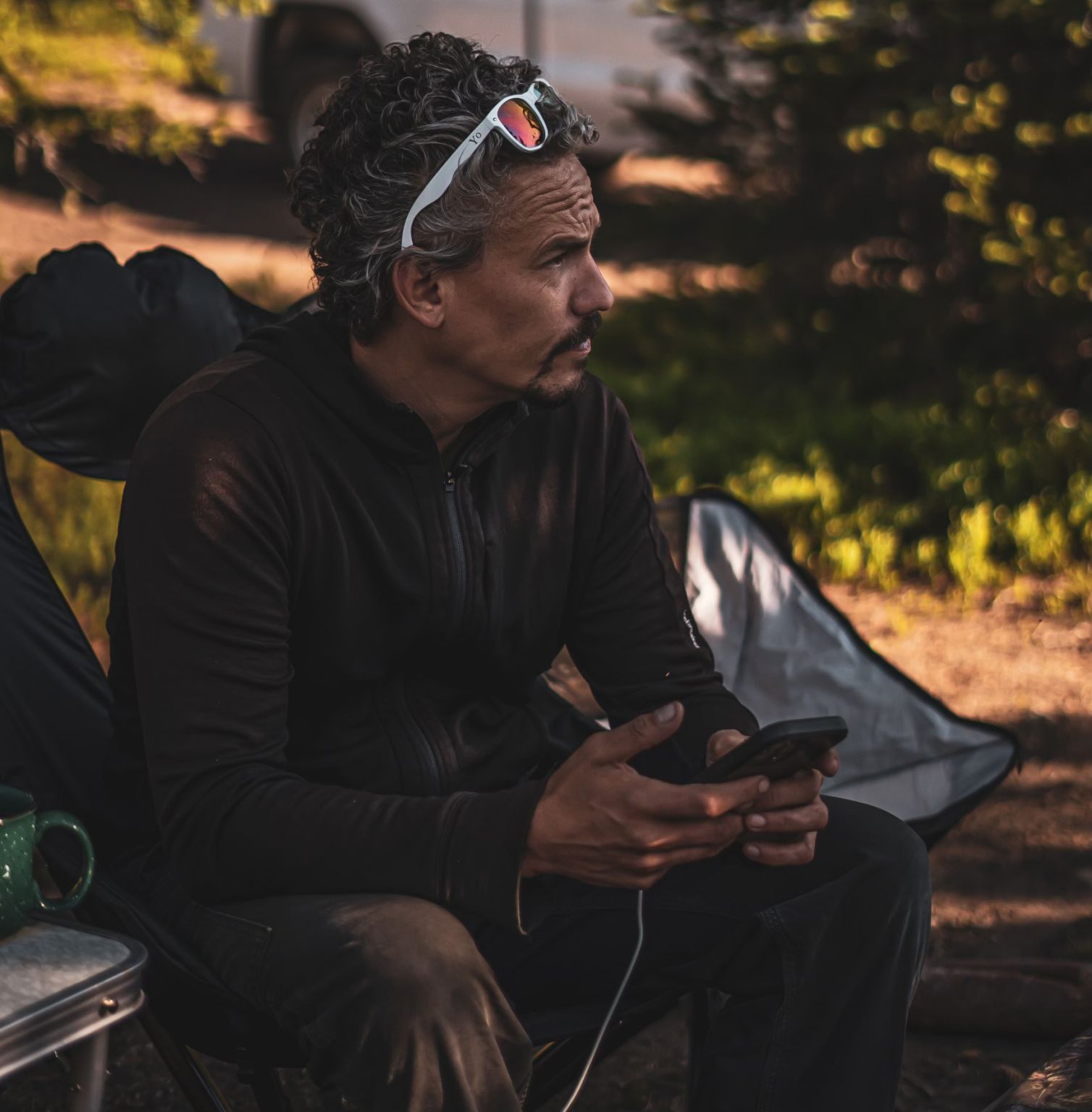


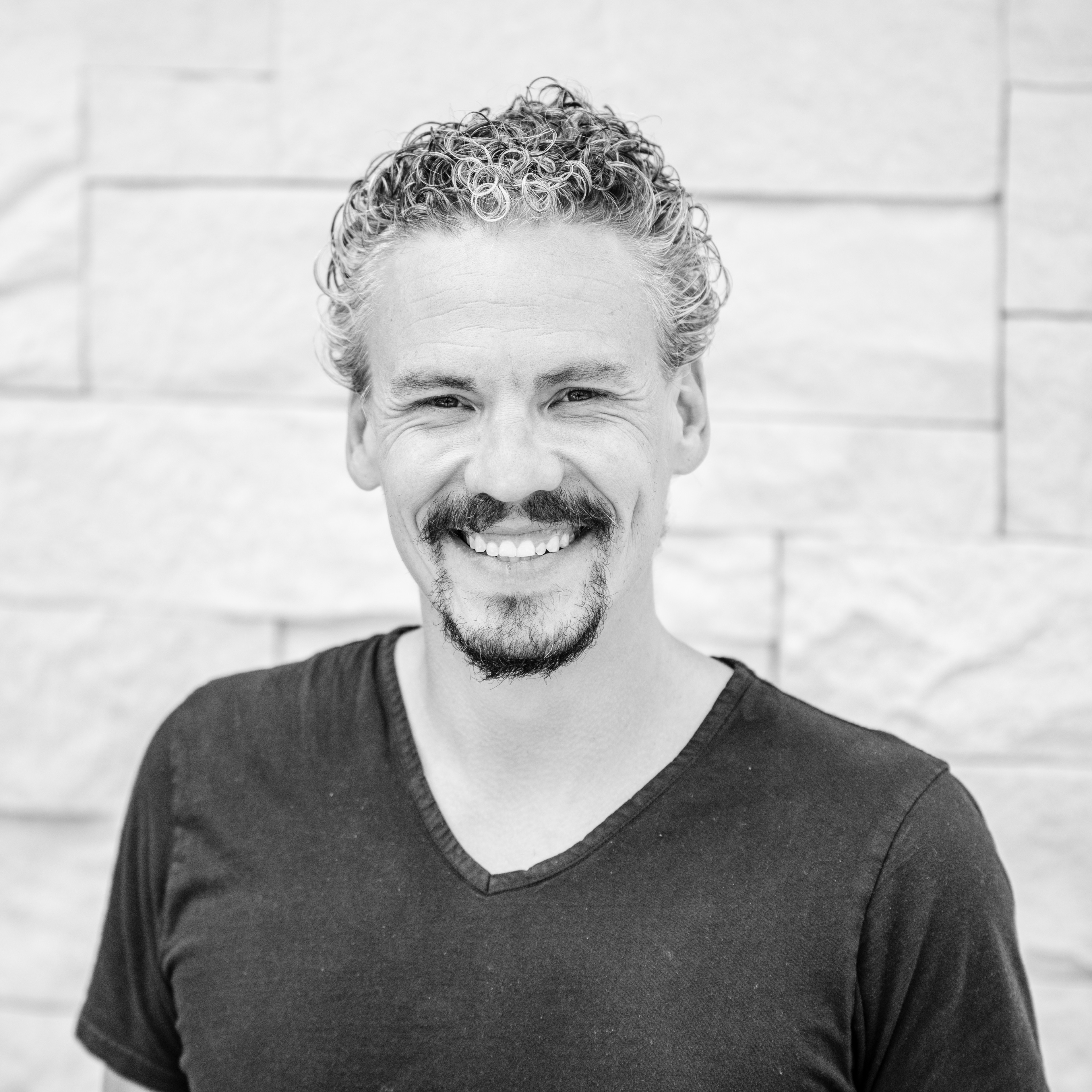
We recently had the chance to connect with Lance Cayko and have shared our conversation below.
Lance, really appreciate you sharing your stories and insights with us. The world would have so much more understanding and empathy if we all were a bit more open about our stories and how they have helped shaped our journey and worldview. Let’s jump in with a fun one: What makes you lose track of time—and find yourself again?
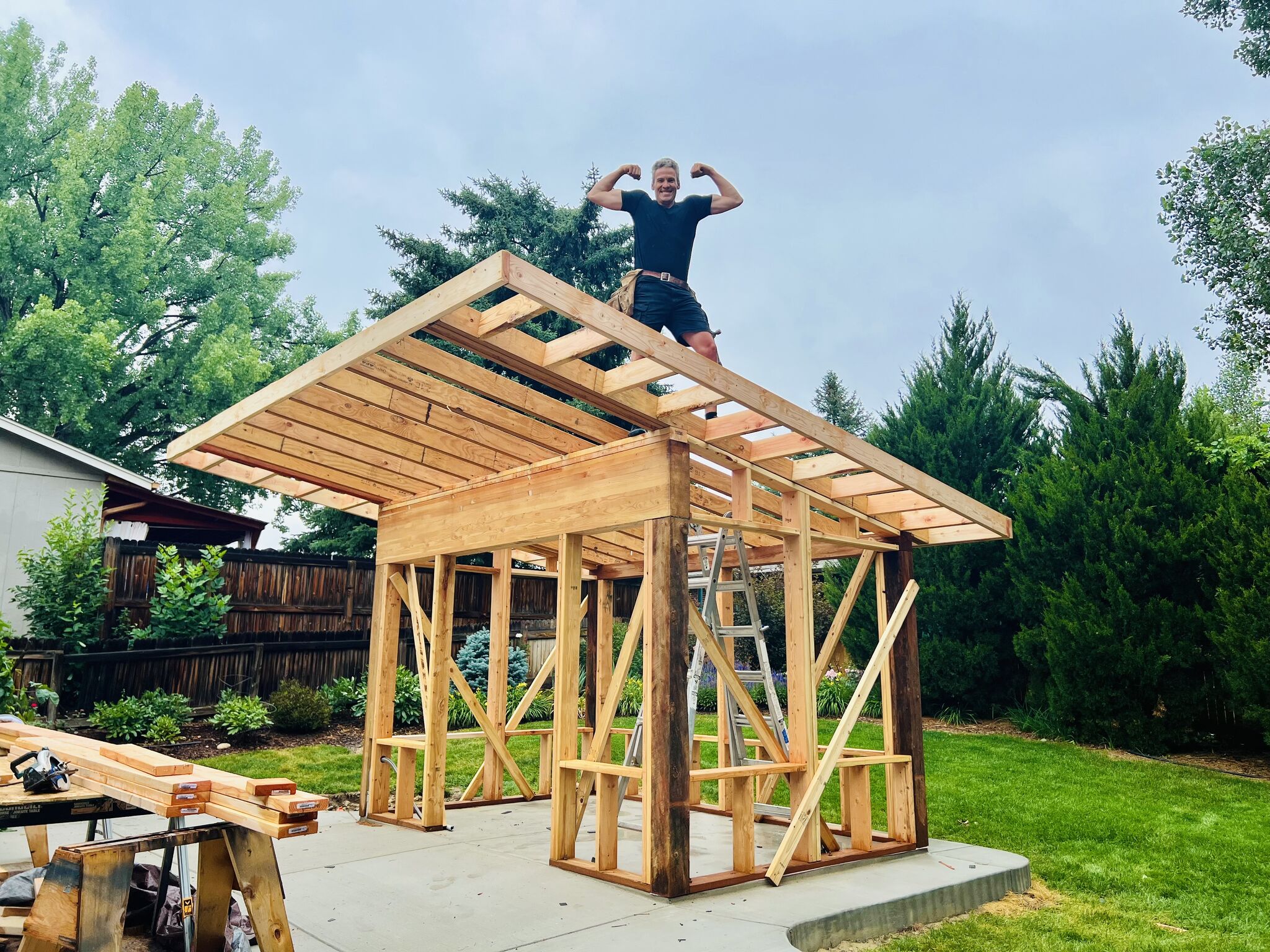
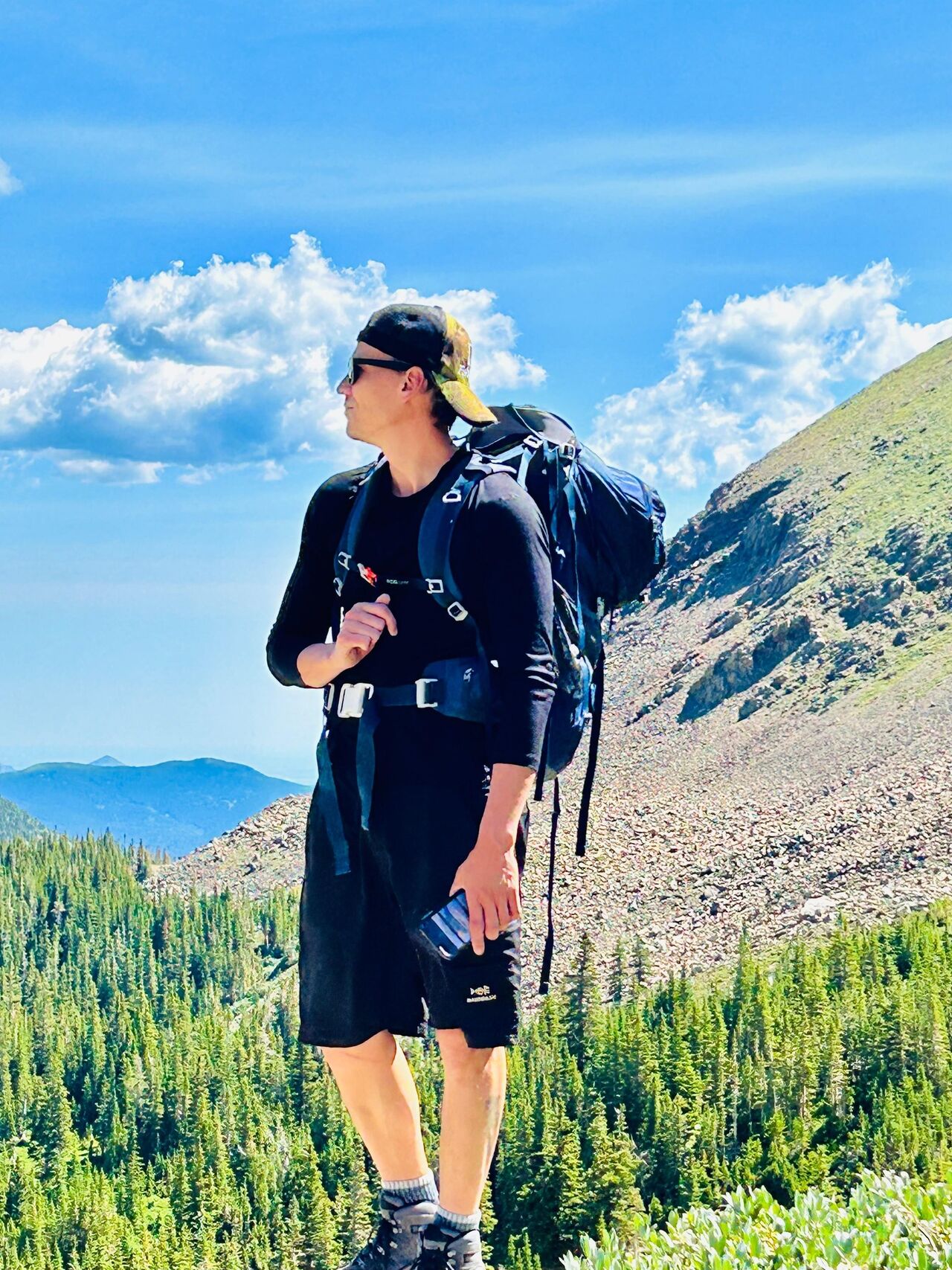
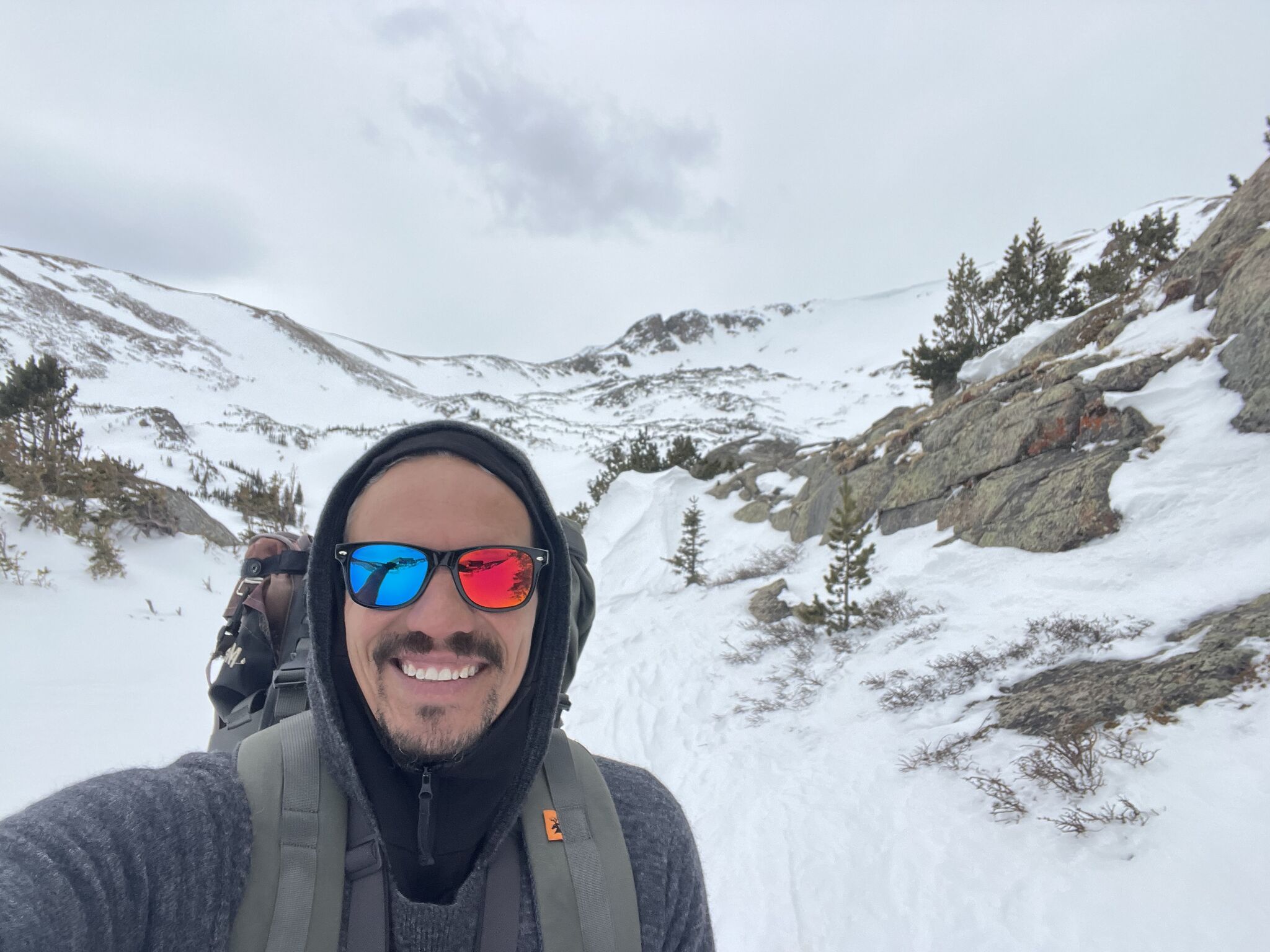
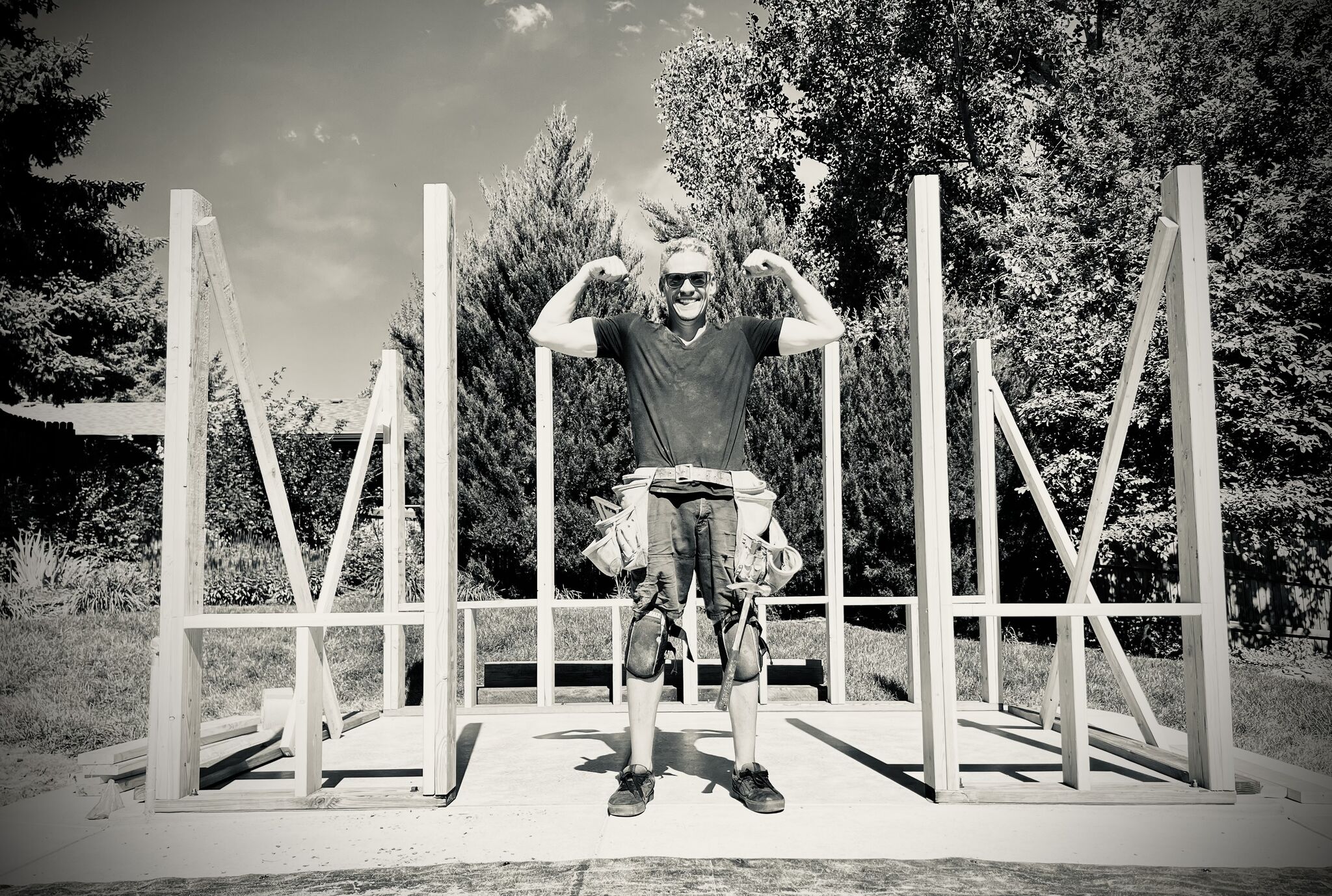
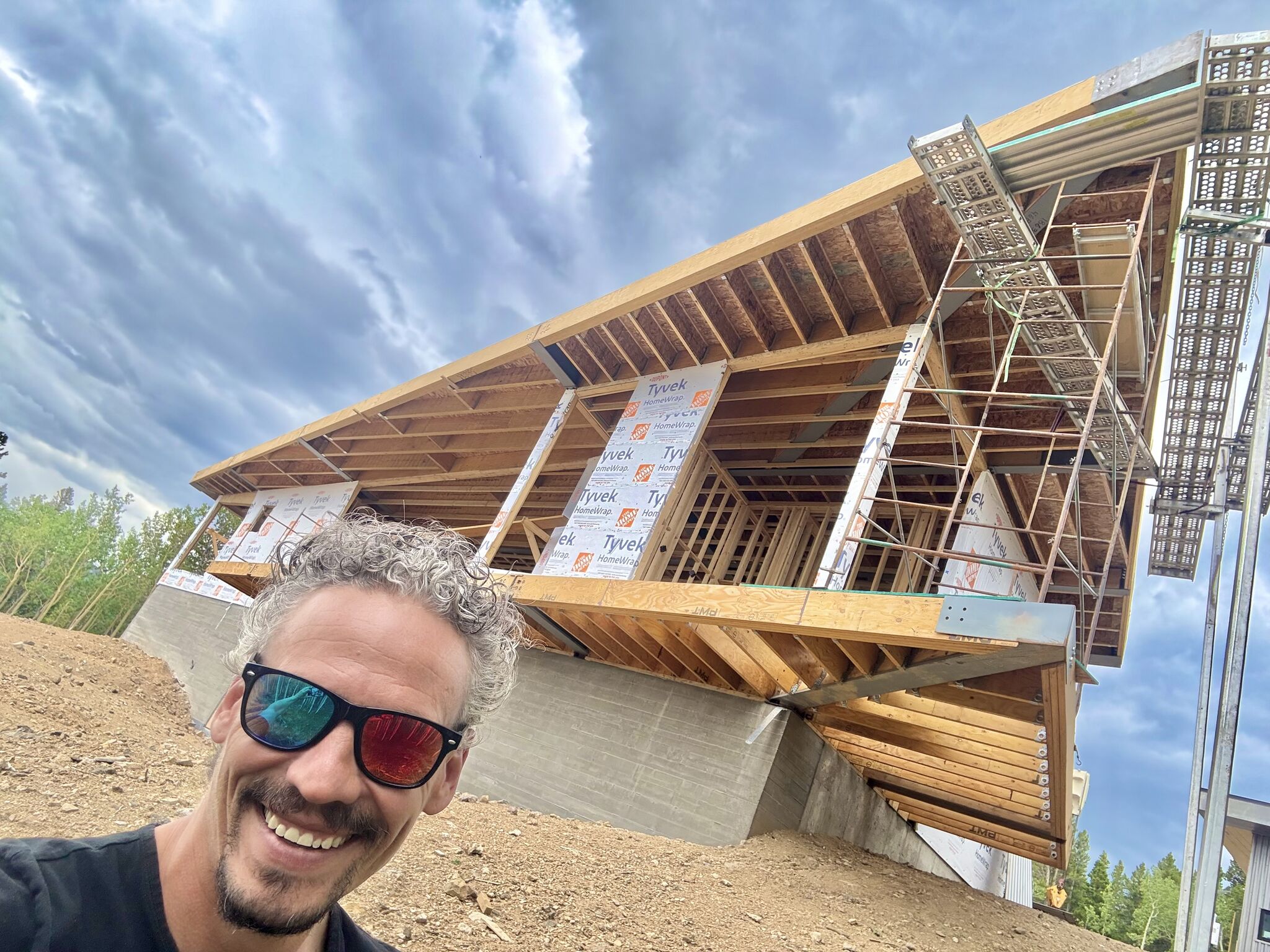
What makes me lose track of time is diving into the hands-on chaos of building—whether it’s hammering nails on a construction site, sketching innovative designs for F9 Productions, or drilling through ice on a rugged hike. The rhythm of creating something lasting, like the Atlas Tiny House or a sustainable retreat, pulls me in, blending my architectural passion with my teenage roofing roots. Teaching at CU Boulder or recording Inside the Firm with Alex Gore, where we unpack the nitty-gritty of architecture, also sweeps me away as I mentor others and share hard-earned insights. Even fishing—chasing walleye in North Dakota or editing my YouTube channel—lets me lose myself in nature’s quiet challenge, dreaming up strategies to grow its reach.
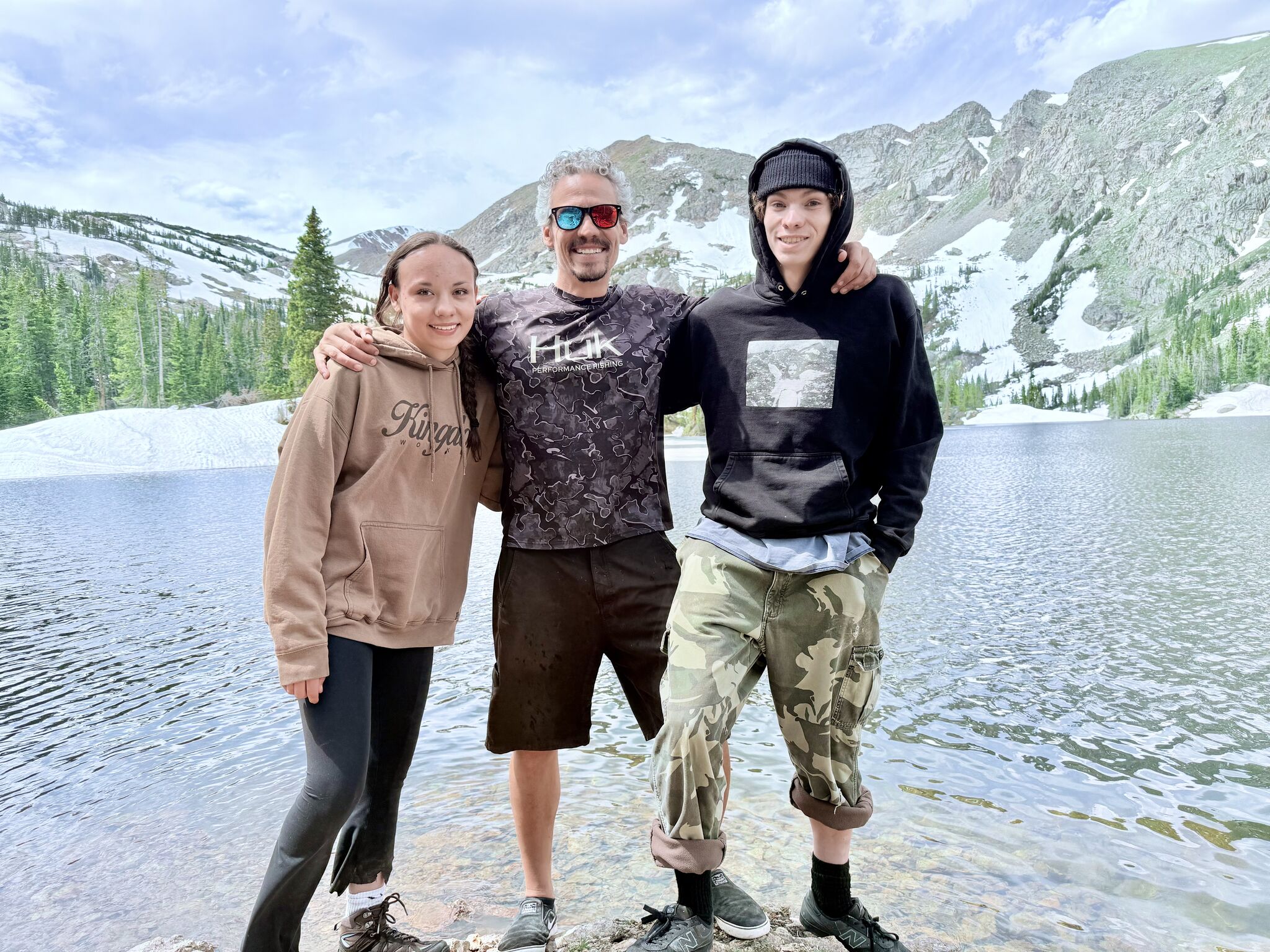
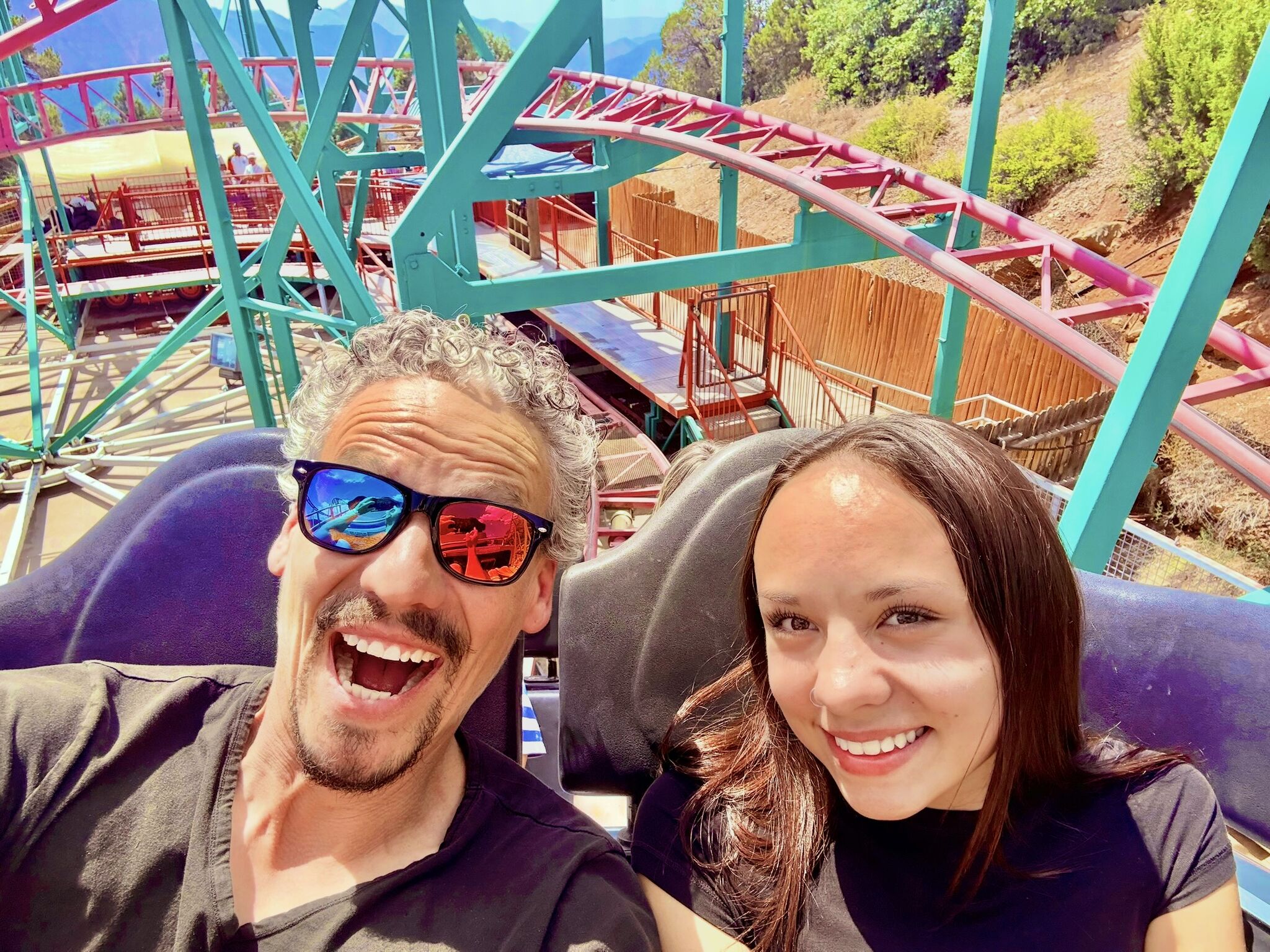
I find myself again through community and family. Founding Longmont Community Gardens grounds me in purpose, connecting with locals over sustainability. Time with Marilyn and our four kids, especially planning special moments, recenters me with laughter and love. A 10-mile ruck hike or a 26-minute power nap restores my focus, turning physical endurance into mental clarity, ready to tackle the next design or podcast episode with renewed energy.
Can you briefly introduce yourself and share what makes you or your brand unique?
I’m Lance Cayko, a Colorado-based architect, builder, and entrepreneur with over 20 years of experience shaping innovative designs. As co-founder of F9 Productions, alongside Alex Gore, I lead a design-build firm known for award-winning projects like the Atlas Tiny House and sustainable retreats like Eastwatch. What sets us apart is our hands-on approach—rooted in my teenage roofing days—blended with a philosophy of solving problems from the ground up, delivering lasting value through creativity and precision. Beyond architecture, I teach at CU Boulder, co-host the top-ranked Inside the Firm podcast, and founded Longmont Community Gardens, reflecting my commitment to community and mentorship. Currently, I’m working on expanding our firm’s impact, mentoring the next generation, and growing my YouTube fishing channel, all while raising four kids with my wife Marilyn. Our story is one of resilience, turning a $1,000 startup during the Great Recession into a thriving enterprise, and I’m passionate about sharing that journey to inspire others.
Okay, so here’s a deep one: Who taught you the most about work?
The people who taught me the most about work are the rough-and-tumble crews I labored with as a teenager roofing houses in North Dakota, where I learned the grit and precision of building from the ground up. Alex Gore, my partner at F9 Productions, has shaped my approach with his relentless creativity and strategic vision, especially during our early days turning a $1,000 startup into a thriving firm. My mentors at North Dakota State University, who guided me to the McKenzie Thesis Award, instilled a deep respect for design fundamentals. Even my kids, with their endless curiosity, remind me to balance hard work with joy, fueling my drive to lead and inspire through teaching and podcasting.
What did suffering teach you that success never could?
Suffering taught me resilience and the true value of empathy, lessons that success’s highs often gloss over. During the Great Recession, getting laid off with a young family forced me to hustle as a handyman on Craigslist, scraping by while dreaming bigger—this built antifragility, turning fear into fuel for starting F9 Productions with just $1,000. Early clashes with my father on the farm redefined wealth beyond money, emphasizing relationships and grit. These hardships instilled discipline and optimism, helping me empathize with overwhelmed clients at F9, where decisions can feel paralyzing. Success brings awards like the Architizer A+ or 386% growth, but it was suffering that taught me to control my micro-economy amid macro chaos, prioritize substance over ego, and lead with undying hope—ensuring I build not just structures, but meaningful legacies through teaching, podcasting, and community like Longmont Gardens. Without those lows, I’d lack the depth to mentor others or balance family with ambition.
Next, maybe we can discuss some of your foundational philosophies and views? What are the biggest lies your industry tells itself?
The biggest lies architecture tells itself, based on my experience at F9 Productions and insights from years in the field, include:
“Design Always Comes First”: The industry often prioritizes aesthetics over practicality, but my roofing days and recession-era handyman work taught me that function and buildability are the foundation—style follows substance, not the other way around.
“Architects Are Above Construction”: Many believe architects shouldn’t get their hands dirty, yet my hands-on background and Alex Gore’s construction management expertise prove bridging design and building creates better outcomes, like our seamless Atlas Tiny House project.
“Success Is Solo”: The myth of the lone genius ignores collaboration’s power. Starting F9 with Alex, growing it 386% (BizWest 2023), and co-hosting Inside the Firm show how teamwork and mentorship—teaching at CU Boulder—drive real impact.
“Sustainability Is Optional”: Some treat green design as a trend, but projects like Eastwatch and Longmont Community Gardens reflect my belief that resilience and sustainability are non-negotiable, learned through surviving economic lows.
These lies persist because they feed ego or tradition, but my story—rising from layoffs to award-winning innovation—reveals truth in grit, partnership, and purpose over pretension.
Before we go, we’d love to hear your thoughts on some longer-run, legacy type questions. What do you think people will most misunderstand about your legacy?
I think people will most misunderstand that my legacy isn’t just about the buildings I’ve designed or the awards F9 Productions has won, like the 2016 Architizer A+ for Atlas Tiny House or the 386% growth recognized by BizWest in 2023. They might see the tangible—Eastwatch’s sustainable elegance or Trinity House’s bold $6.5 million statement—and miss the deeper thread: the resilience forged from teenage roofing, recession layoffs, and scraping by as a handyman, which shaped my approach to problem-solving and client empathy. They could overlook how teaching at CU Boulder, co-hosting Inside the Firm, and founding Longmont Community Gardens reflect a mission to mentor and uplift, not just build. Raising four kids with Marilyn and fishing in North Dakota’s wilds might be seen as side notes, not the grounding force that balances ambition with humanity. People may assume success was linear, not the messy, hopeful grind it was, undervaluing the grit and community that define my story.
Contact Info:
- Website: https://f9productions.com
- Instagram: https://www.instagram.com/f9productions/
- Linkedin: https://www.linkedin.com/in/lance-cayko-1227031a/
- Facebook: https://www.facebook.com/F9ProductionsInc/
- Youtube: https://www.youtube.com/channel/UCkjepLcKfYoxjTphkAGjwVg
- Soundcloud: https://on.soundcloud.com/7txlQvCVb0lhzlvF6G
- Other: https://www.youtube.com/@fishingwithlance