

We recently had the chance to connect with Natasha Watts and have shared our conversation below.
Natasha, really appreciate you sharing your stories and insights with us. The world would have so much more understanding and empathy if we all were a bit more open about our stories and how they have helped shaped our journey and worldview. Let’s jump in with a fun one: What are you being called to do now, that you may have been afraid of before?
I feel like I’m being called to step into the tough conversations about social media and the internet. For a long time, I hesitated because these issues are so complex and there aren’t easy answers. The internet has given us incredible opportunities for connection, creativity, and learning—but it’s also brought challenges like bullying, addiction, and the spread of harmful ideas. What I’ve realized is that shying away from those conversations doesn’t help. Creating spaces where we can talk honestly about both the positives and the pitfalls feels like the work I’m meant to be doing now.
Can you briefly introduce yourself and share what makes you or your brand unique?
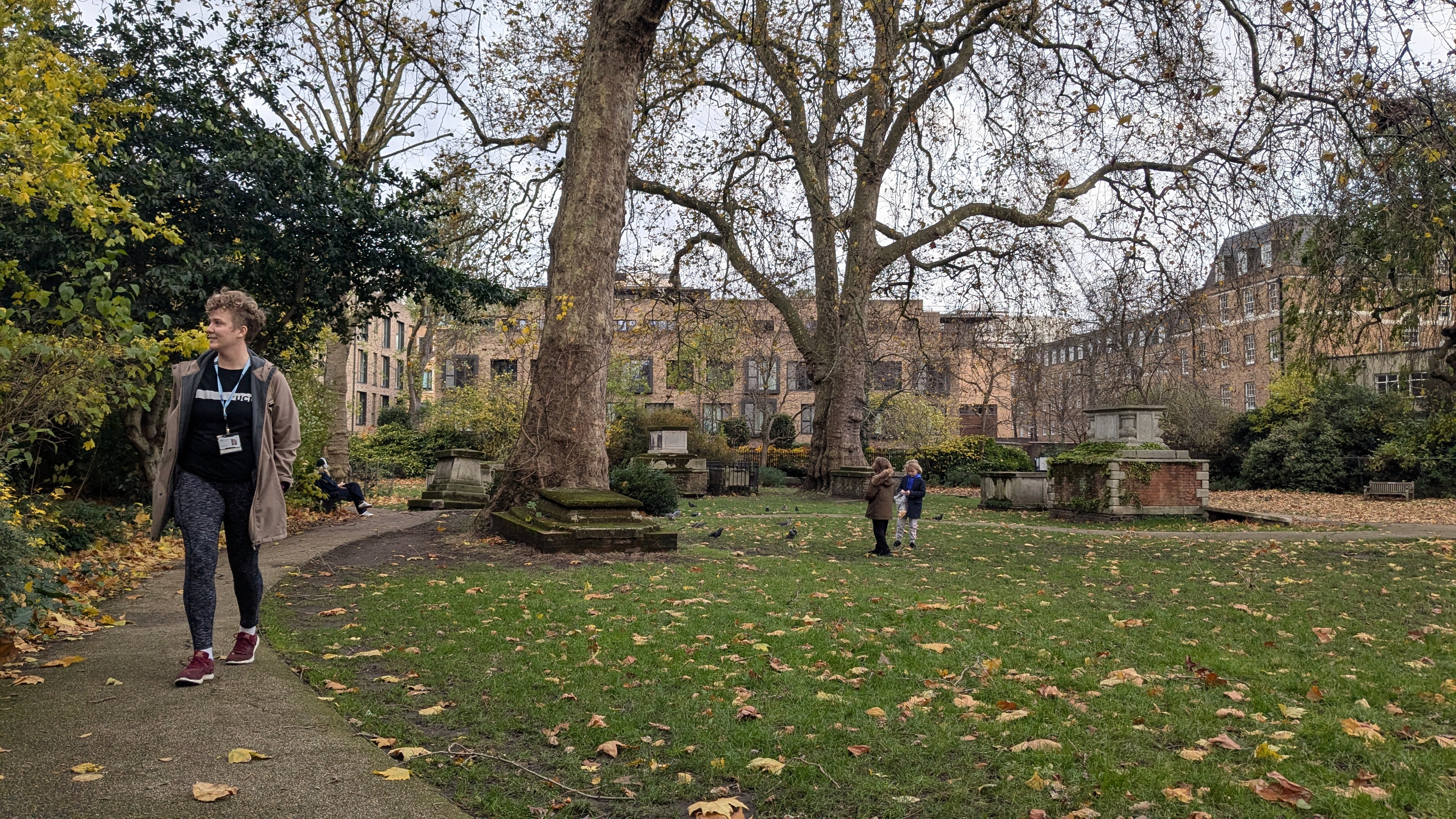
I’m Natasha Watts, a writer and digital anthropologist from Denver. My work explores how technology shapes our lives—whether through social media, video games, or AI—and I’m especially interested in how online spaces influence the way we connect, imagine, and understand the world. I recently completed an MSc in Digital Anthropology at University College London, building on ten years of experience in public radio. Storytelling and community have always been at the heart of what I do. Alongside my research and workshops, I also write fiction, which gives me another way to think about how people and technology shape one another.
Thanks for sharing that. Would love to go back in time and hear about how your past might have impacted who you are today. What breaks the bonds between people—and what restores them?
Bonds are often broken by the inability to understand someone else’s experience and perspective. This is especially easy online. Miscommunication and algorithms amplify division. What restores connection is slowing down, listening, and creating space for honest but safe conversation. Whether it’s in a classroom, a digital forum, or around a kitchen table, people need to feel seen and understood. For me, witnessing those moments—both online and offline—is what makes the digital world feel full of possibility again.
When did you last change your mind about something important?
When I was an undergrad studying English, I was certain I wasn’t going to go to grad school. But after ten years working in public radio, writing fiction, and raising a family, I changed my mind. I had seen firsthand how much the internet was reshaping the lives of people I loved, and I realized I wanted to understand how and why that was happening. That curiosity led me to apply to master’s programs, and eventually I earned my MSc in Digital Anthropology—an experience that completely changed the way I think about technology, connection, and the world around me.
Alright, so if you are open to it, let’s explore some philosophical questions that touch on your values and worldview. Where are smart people getting it totally wrong today?
A lot of people I really respect in politics and activism think that it’s a betrayal to your values to learn about the people you disagree with. The problem is, if you don’t understand how the “other side” thinks—what motivates them, the kernels of truth in their messages—you can’t hope to be effective in changing minds or shaping outcomes. Understanding someone doesn’t mean you agree with them; it just means you know the terrain, and that’s a much more effective way to make progress.
Before we go, we’d love to hear your thoughts on some longer-run, legacy type questions. What is the story you hope people tell about you when you’re gone?
I hope the story people tell about me is that I was a joyful and generous person—someone who cared about the people around me, celebrated the small moments, and was willing to give freely. That my life was defined by curiosity, kindness, and a love for connection, not just by accomplishments or accolades. I’d like to be remembered as someone who made others feel seen, supported, and a little bit happier just by being present in their lives.
Contact Info:
- Website: https://www.natashawatts.net/
- Linkedin: https://www.linkedin.com/in/natasha-christensen-b8687b84/
- Other: https://bsky.app/
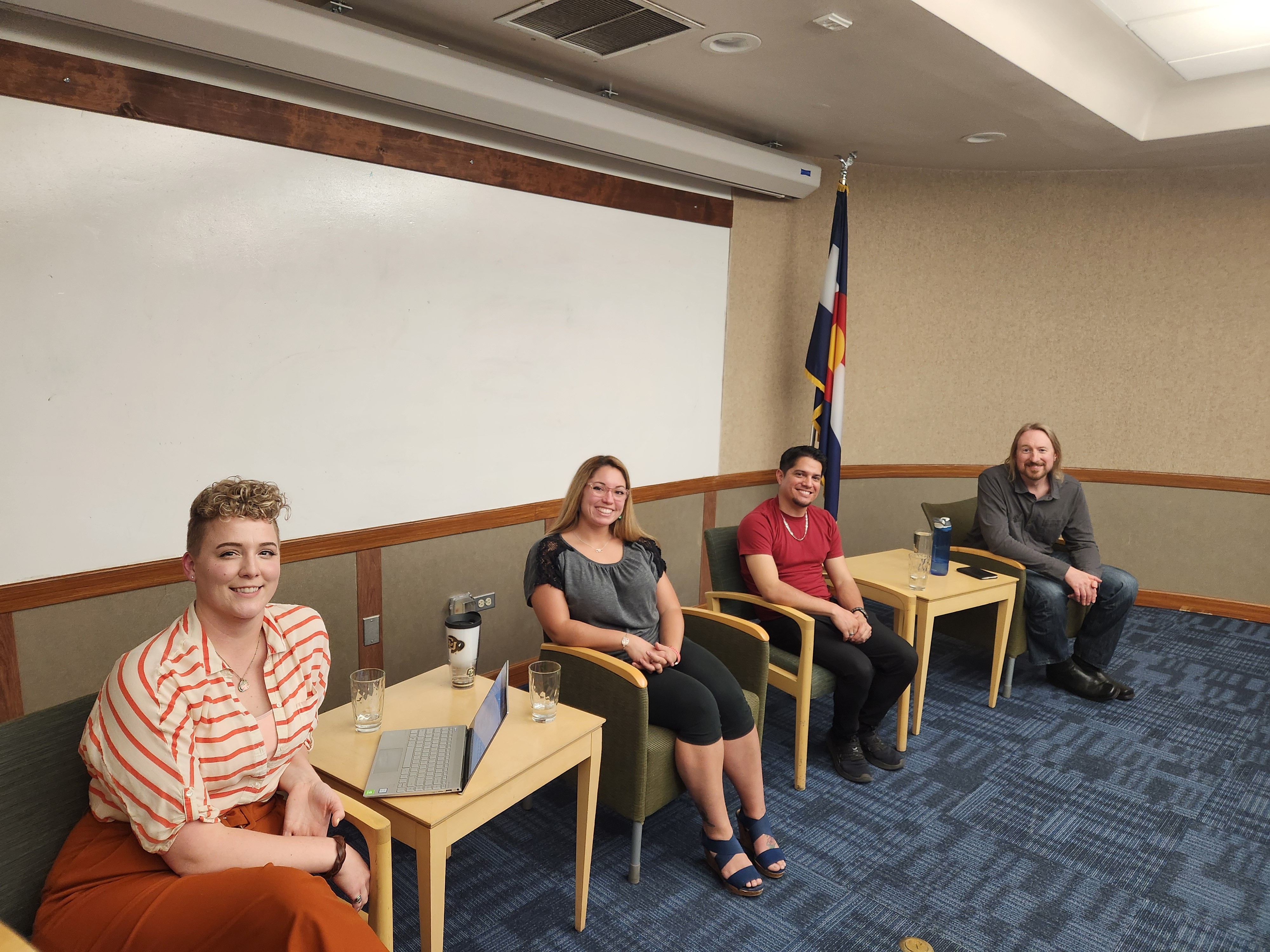

Image Credits
Myko Makhlai, Angie Wagner, Ben Christensen