


We recently had the chance to connect with Tereza Kopecka and have shared our conversation below.
Good morning Tereza, we’re so happy to have you here with us and we’d love to explore your story and how you think about life and legacy and so much more. So let’s start with a question we often ask: What do you think others are secretly struggling with—but never say?
I think a lot of people are silently struggling with loneliness and disconnection. Especially in the age of social media. It’s such a big part of our lives now that we often find ourselves constantly comparing our lives to carefully curated versions of others. Everything looks shiny, beautiful, and perfect online, but we forget that no one’s really sharing the hard stuff, the messy, vulnerable parts of life.
Social media creates this illusion of connection, but it can actually pull us away from living in the present and truly connecting with others face to face. I think many people feel that disconnect, but don’t always know how to talk about it, or even realize that’s what they’re feeling.
Can you briefly introduce yourself and share what makes you or your brand unique?
We’re Czech the Mountains a hiking duo made up of me and my husband. A few years ago, we packed our entire lives into two backpacks, took a leap of faith, and moved far from home in the Czech Republic to start a new life in Canada.
That decision completely changed our world.
What started as a big move turned into an even bigger journey: discovering the wild beauty of long-distance hiking across the U.S. We’ve thru-hiked trails like the Pacific Crest Trail and the Continental Divide Trail. Spending months on foot, living simply, and reconnecting with nature in the most raw and real way possible.
Our brand, Czech the Mountains, is more than just a name. It’s about saying yes to adventure, embracing uncertainty, and finding freedom in the wilderness. We share our story to inspire others who might be dreaming of a different kind of life, one that doesn’t always fit inside four walls.
Amazing, so let’s take a moment to go back in time. Who saw you clearly before you could see yourself?
That person was Brad a quadriplegic man I started working for in Vancouver. At that point, I was burned out from caregiving. I had no intention of doing it again. But when I met Brad during the job interview, something shifted. His honesty, calmness, and lightness of being immediately drew me in. The conversation turned from job questions to stories about Canada, hiking, and the West Coast Trail, which he had completed twice, once before and once after his spinal cord injury. I left that interview thinking, “Wow, what a badass.” And also “I really hope he hires me.”
Brad didn’t just hire me, he became one of the most important people in my life. In many ways, he was my teacher. He taught me to slow down, to appreciate what I have, and not to take life so seriously or myself. He showed me that strength and softness can go hand in hand.
Working for him changed me. It made me a better person. And when we later thru-hiked the Continental Divide Trail, we dedicated our hike to him and organized a fundraiser for Spinal Cord Injury BC, where Brad was an ambassador.
So yes, Brad saw something in me and helped me see it too.
What did suffering teach you that success never could?
Long-distance hiking has been my biggest teacher and trust me, it’s not the Instagram kind of pretty. On our thru-hike of the Pacific Crest Trail, we faced one of the toughest stretches through the High Sierras during a high snow year. We had to wake up around midnight and start hiking by 1 or 2 a.m., day after day, pushing through 16 hour days in freezing temperatures, exhausted but determined. It was physically and mentally brutal.
But that’s where the real lessons live in those moments when you want to give up, when your body aches and your ego disappears. The trail strips you down until there’s nothing left but your raw self. And that’s where you start listening. To your body. To the world around you. To your partner next to you, breathing just as hard, pushing just as far.
Thru-hiking taught me to appreciate things I used to take for granted as clean water, food that fills you, a place to sleep where you’re not cold or wet. Even just having a body that works and carries you forward… that’s something I don’t overlook anymore. The trail made me realize how rich we really are, not in money, but in health, freedom, and the people who walk beside us.
Success never taught me that. Suffering did.
Alright, so if you are open to it, let’s explore some philosophical questions that touch on your values and worldview. What important truth do very few people agree with you on?
In a world that constantly tells us to buy more, upgrade everything, and chase the next best thing, I believe the opposite: the less we own, the more peace we have.
Living simply whether in a backpack, a van, or a small space has shown me that less stuff means fewer problems. When you trade your car for a bicycle, you lose the stress of insurance and repairs. When you don’t have closets full of clothes or shelves full of gadgets, you gain space, time, and freedom. It’s like going back to the roots, something my parents and grandparents always said: “Less is more.” And I finally get it.
I don’t know anyone who feels truly fulfilled just because of what they own. Sure, money and things can bring short-term happiness, but it doesn’t last. You can live in a golden castle and still feel empty. Real happiness is something we carry inside. And it takes work. It’s how we choose to see the world every day whether we focus on what’s missing, or on what’s beautiful around us.
Each morning we get a choice. We can wake up and complain about the rain, or we can call it a fresh spring rain and smile at how the earth is drinking. There’s always something small to appreciate. A blooming flower, a warm breeze, a sunny sky. If we meet life with love and simplicity, that energy finds its way back to us.
So yeah owning less really does give you more. More peace, more presence, more life.
Okay, so let’s keep going with one more question that means a lot to us: Are you doing what you were born to do—or what you were told to do?
I used to think I was supposed to follow the script: study hard, get a “good” job, settle down, start a family. But deep down, I knew that version of life wasn’t mine. So I traded expectations for freedom and started living the life I was actually born to live.
That life doesn’t include children and that’s a choice I stand by. For over 20 years, I worked in caregiving, offering love, patience, and presence to people who needed it most. I gave my time, heart, and energy to others just not in the role society expected. I don’t believe motherhood is the only way to be nurturing. And I don’t believe women need to justify their wholeness. Choosing to be child-free doesn’t make you less of a woman.
Instead of raising children, I raise miles on the trail, moments in nature, and awareness that there’s more than one way to live a meaningful life. My husband and I live simply, often out of backpacks or a camper, embracing minimalism and adventure. The less we own, the more we experience. We don’t chase things, we chase sunrises, challenge, connection. I’ve learned that real wealth is clean water, a strong body, a place to rest after 30 miles. You can live in a golden castle and still feel empty. Or you can sleep under the stars and feel completely full.
I wasn’t born to follow a template. I was born to love deeply, live simply, and walk the unbeaten path, and I hope that gives other women permission to do the same, without guilt or apology.
Contact Info:
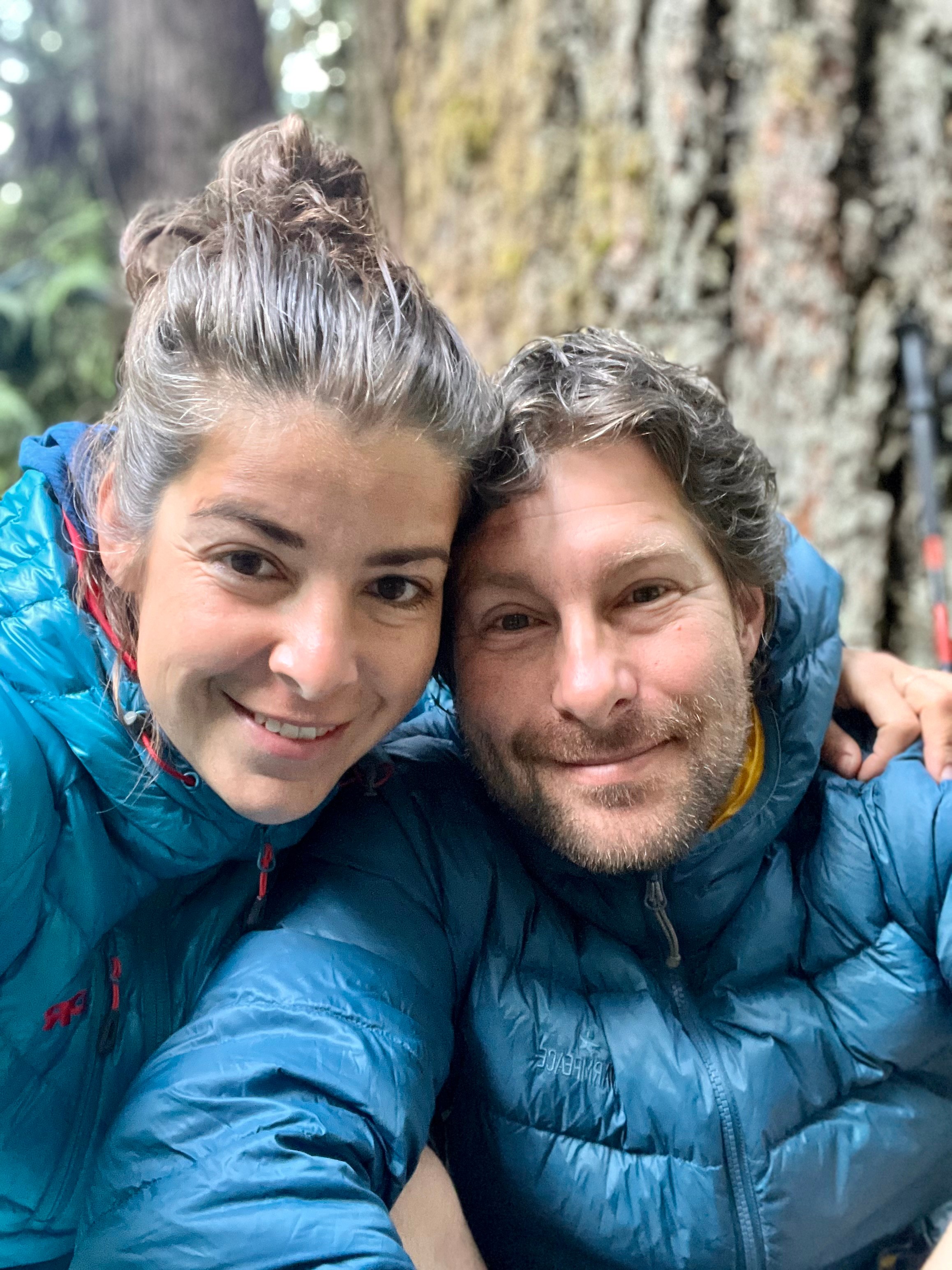
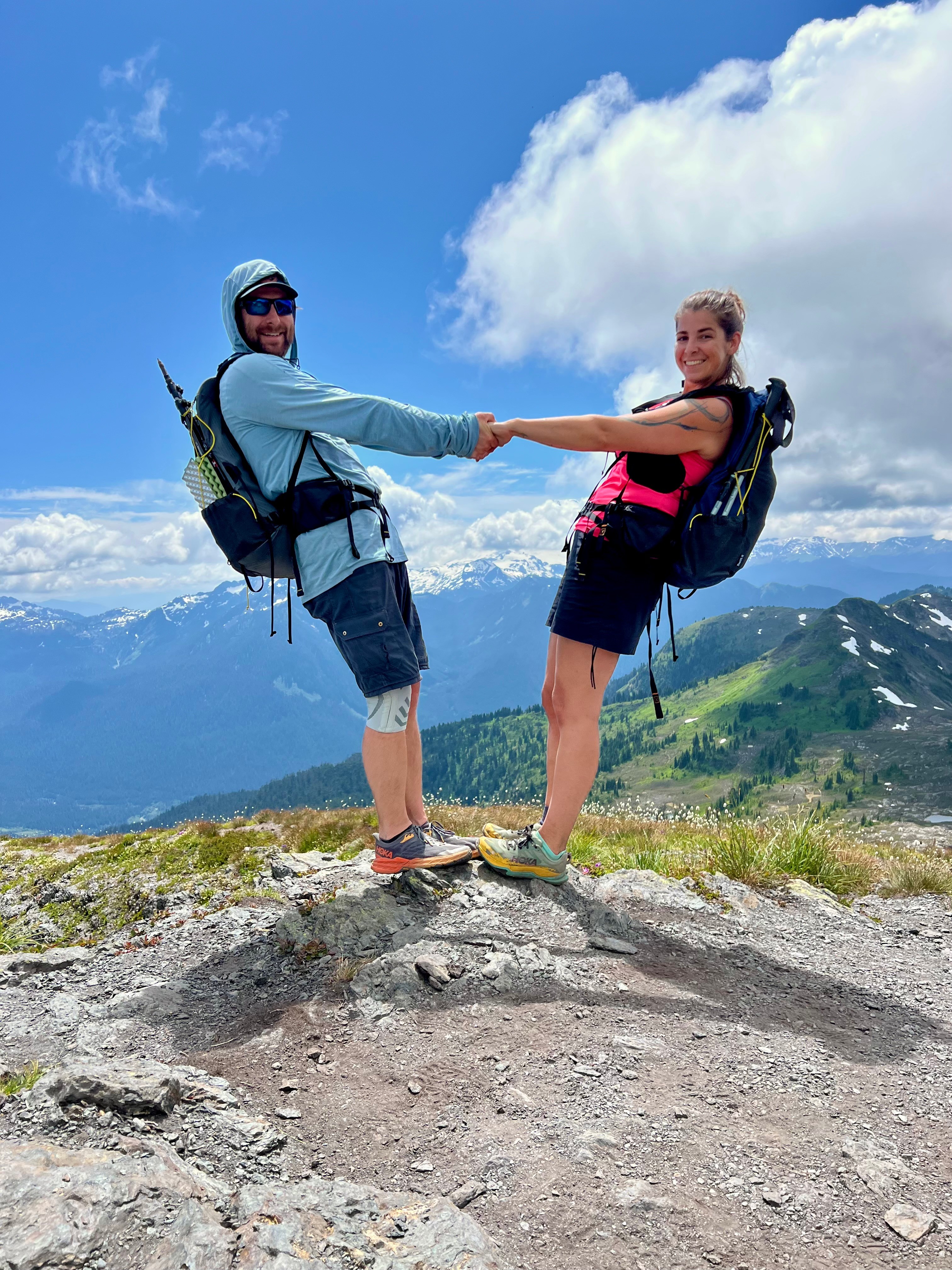

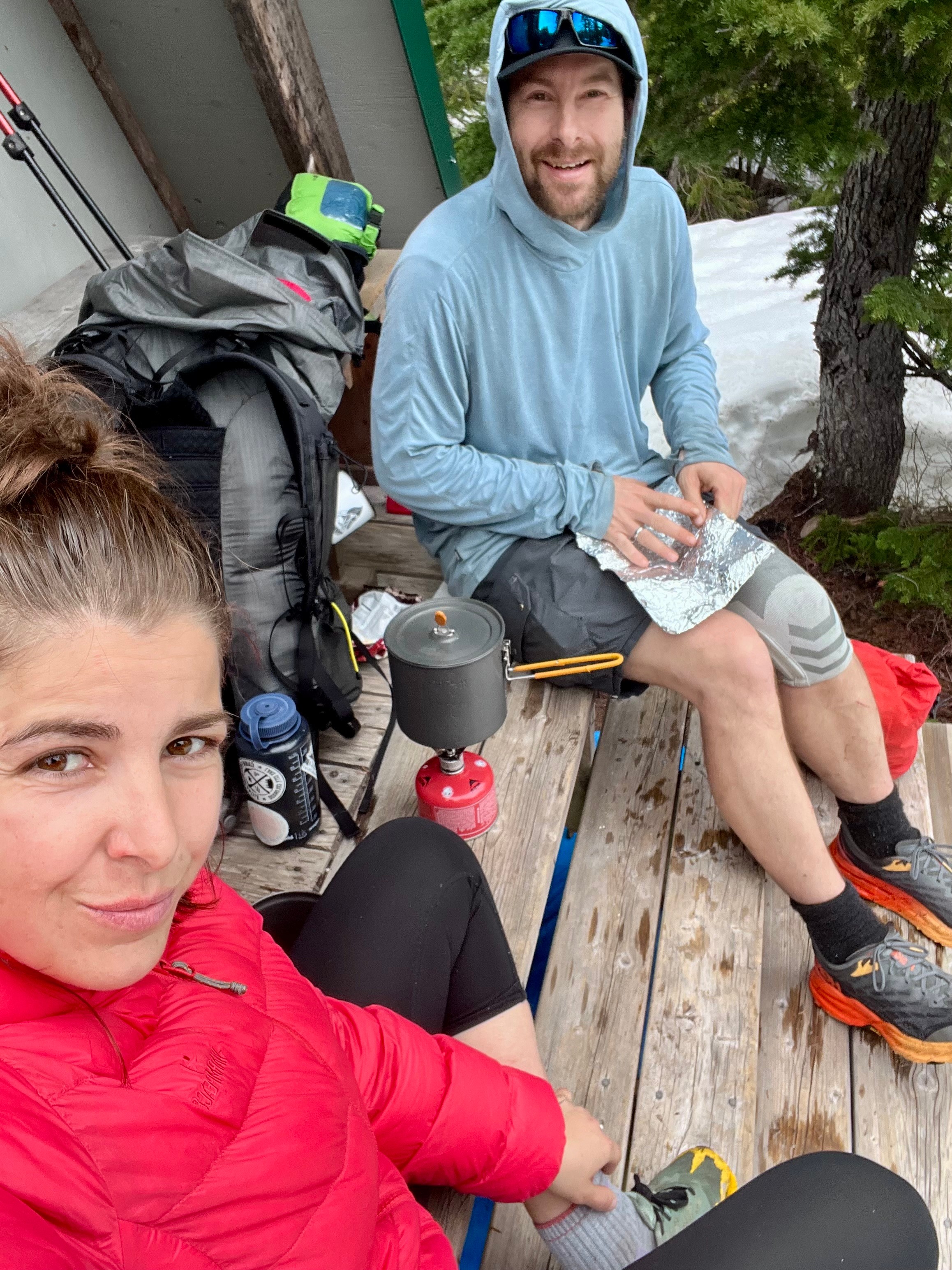
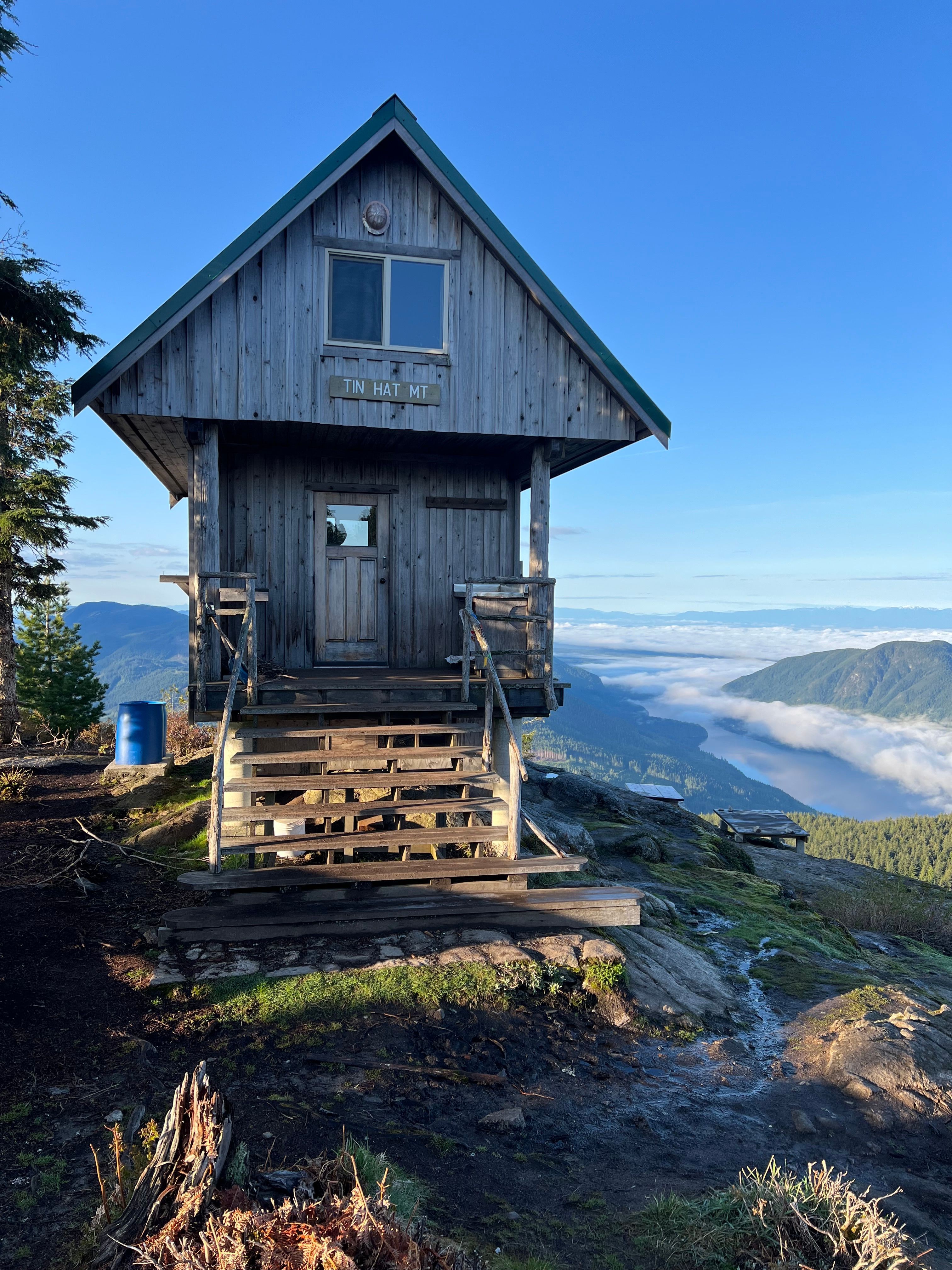
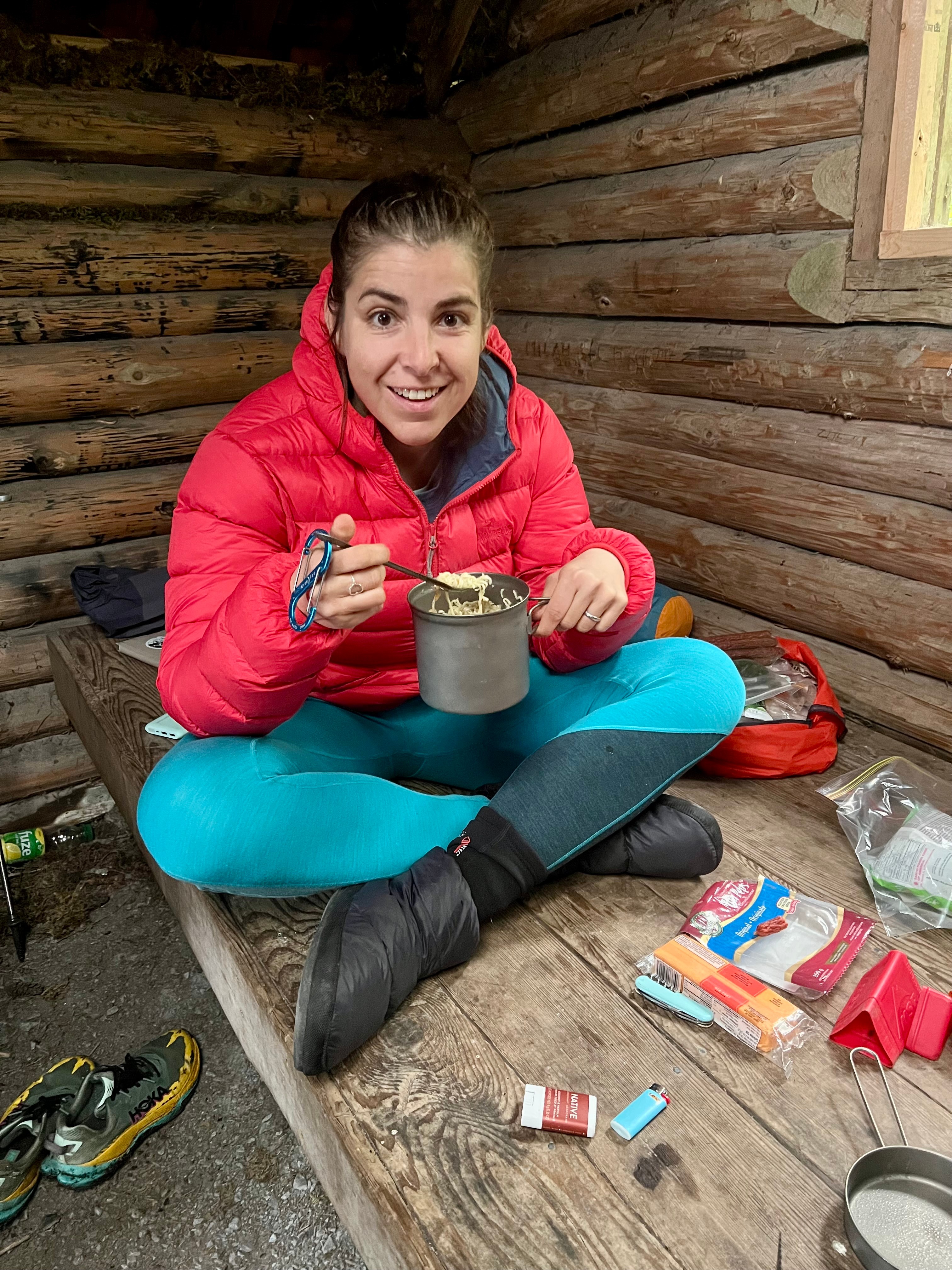
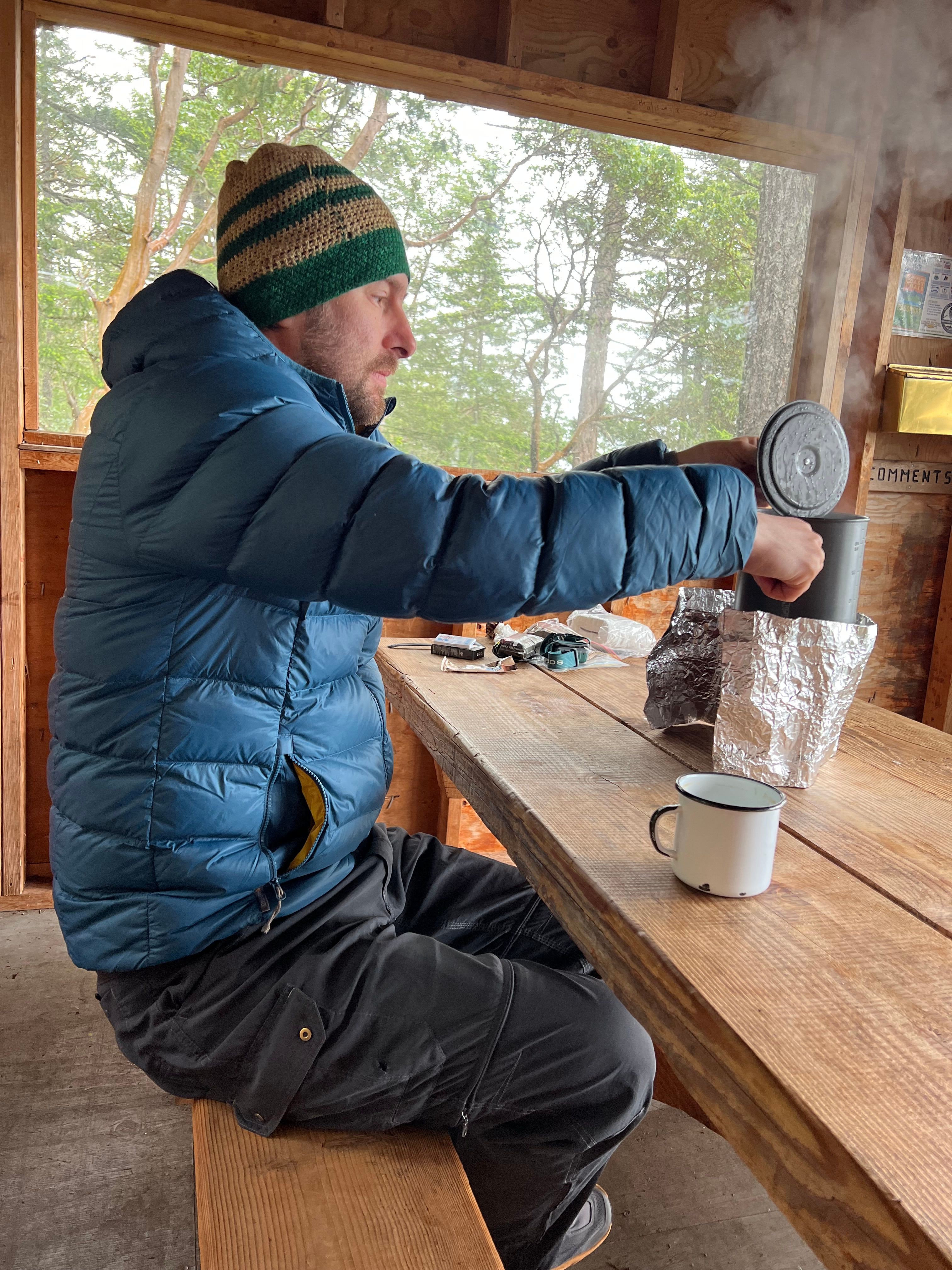
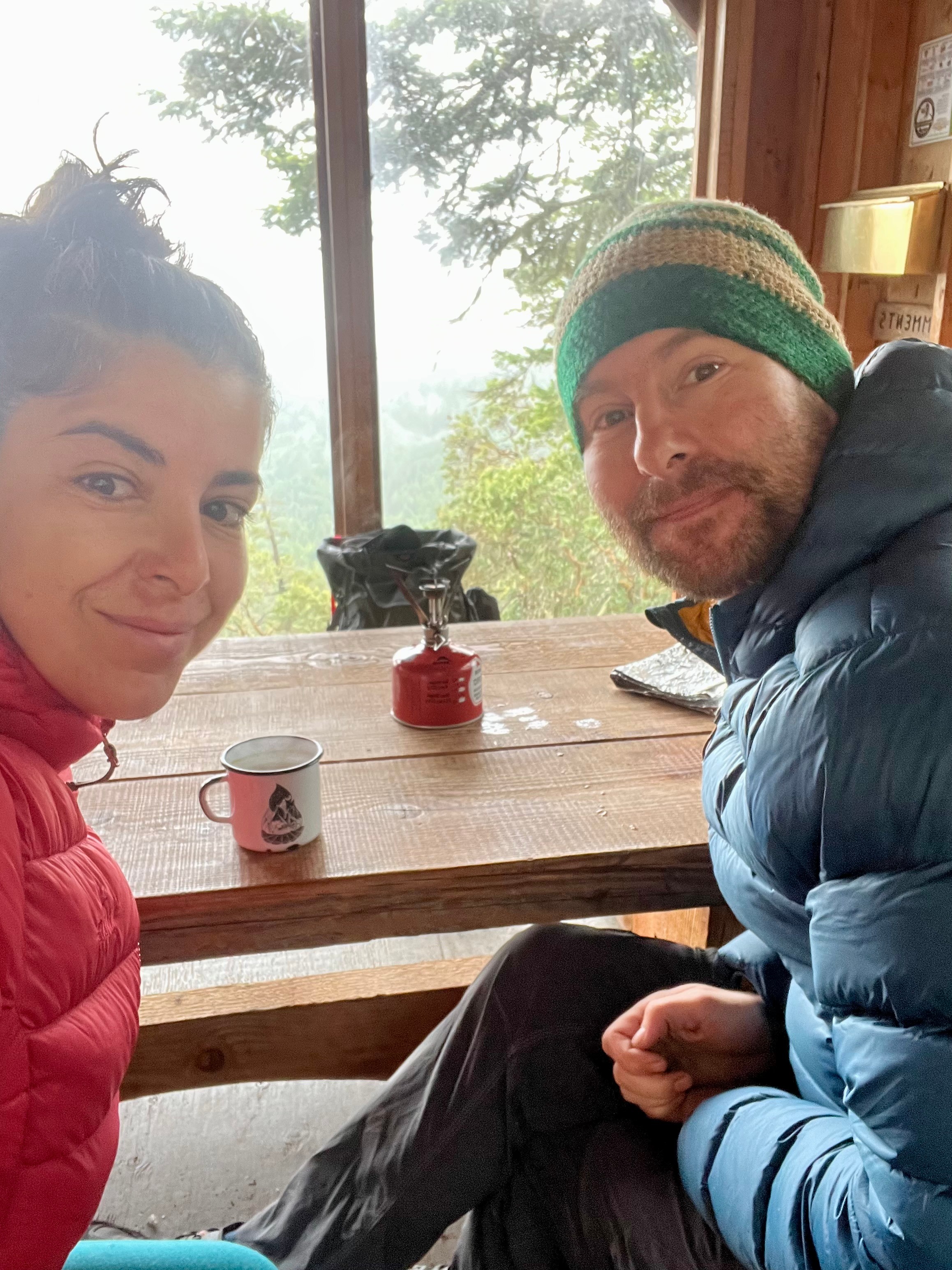
Image Credits
ours