

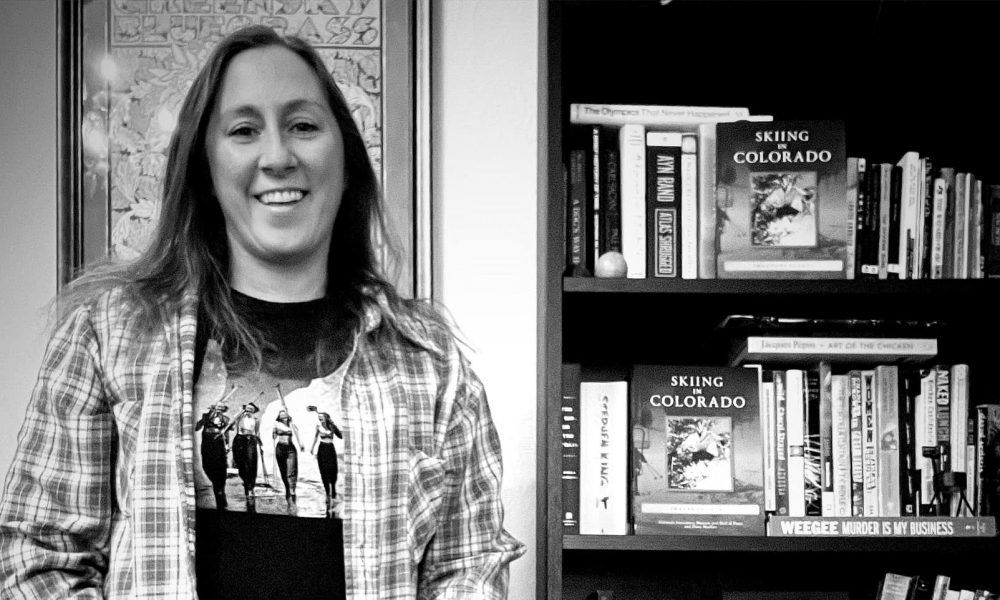
Today we’d like to introduce you to Dana Mathios.
Hi Dana , can you start by introducing yourself? We’d love to learn more about how you got to where you are today?
When reflecting on my story and how I got where I am today as a museum professional, I think my journey is somewhat unconventional. Since high school, I have been studying anthropology, which is where most people assume I first became interested in museums. But it was through my path of studying criminology, law, and justice that I became interested in the museum field and first learned about their potential to impact communities.
During my senior year of college at the University of Illinois at Chicago (UIC), I took a class “The History of Chicago Gangs” with Professor Dr. John Hagedorn. Here, for a final project, I was invited to sit in with staff at the Jane Addams Hull-House Museum during the early planning stages of an exhibit on the 1960s Chicago gang the Conservative Vice Lords (CVL). We met with former members of the 1960s-era gang: Bobby Gore, the gang’s former spokesman, and Ben Lee, co-founder of the National Alliance for the Empowerment of the Formerly Incarcerated and former “violence interrupter” for the UIC-based CeaseFire violence prevention program. This collaboration shed light on how this gang turned away from violent crime to improve their community, secure funding for projects, organize youth, protest unfair housing policies and working conditions, open small businesses, and fight for peace and racial equality. The exhibition premiered in Chicago in 2012 and included intimate audio interviews, photos, and artifacts.
I was able to follow this project from the early stages of community outreach to building a collaborative story, all the way until the exhibit premiere. In 2012, I enrolled as a graduate student at the University of Denver (DU) and decided to write about this project as a case study, while also critically thinking about and discussing the role museums play as agents of change. In 2015, I published my master’s thesis on the project and received my degree in Anthropology: Museum and Heritage Studies. Through the Conservative Vice Lords project, I was able to witness the power museums can have in educating and inspiring change in society.
Through the program at DU, I was exposed to working in small museums. From that point on, I knew I wanted to pursue this type of work. What most appealed to me was their need for someone who can wear many hats and aspires to elevate artifact collections to follow best museum practices and strive to obtain all Core Standards.
I’m sure it wasn’t obstacle-free, but would you say the journey has been fairly smooth so far?
Looking back on how I got here, I think writing my thesis was the biggest obstacle. Without completing the written thesis and passing my oral defense, I was not able to receive my degree, preventing me from obtaining work in the field upon finishing my classes. Although it was a huge challenge for me, I think it made me a stronger writer and a more critical thinker. If it weren’t for my advisor who really pushed me, I might not be as strong of a writer today. If not for her, I also might not have felt confident enough to write the Colorado Snowsports Museum’s new book “Skiing in Colorado.” The entire book writing process is quite overwhelming and I felt equipped to take on the challenge, especially with such a limited timeline to complete the project.
As you know, we’re big fans of you and your work. For our readers who might not be as familiar what can you tell them about what you do?
I think I have one of the least boring jobs of all time! No two days are ever quite the same. I manage and catalog our artifact collection, research artifacts, build exhibitions, manage our social media platforms, write press releases, update our website, create graphics, and so much more. What sets me apart from others is that I thrive at doing different tasks and can typically tackle them quickly, even on the fly.
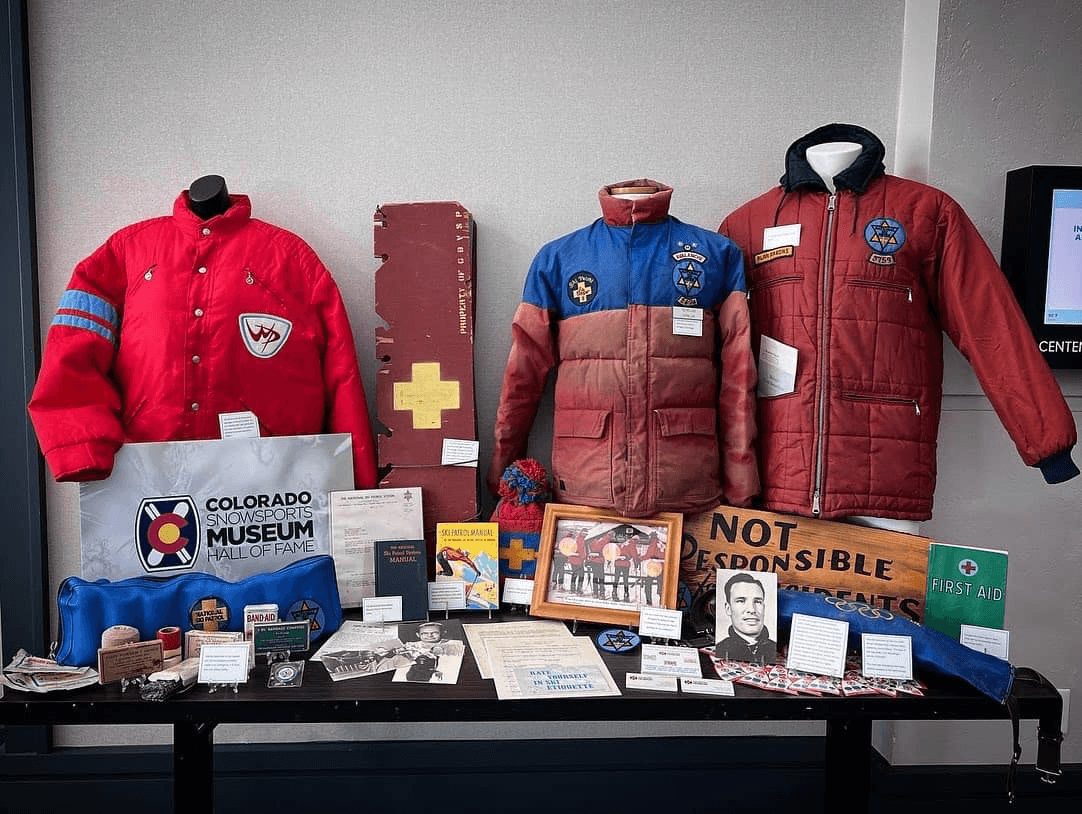
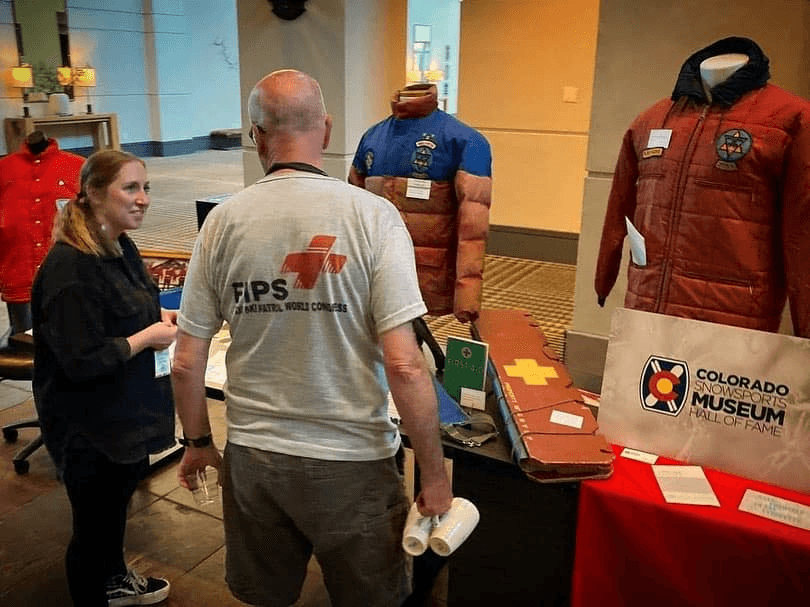
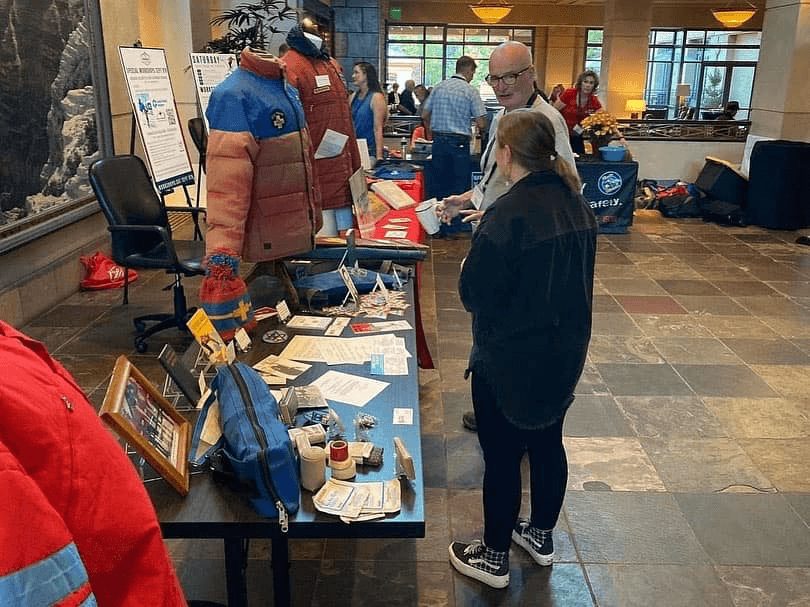
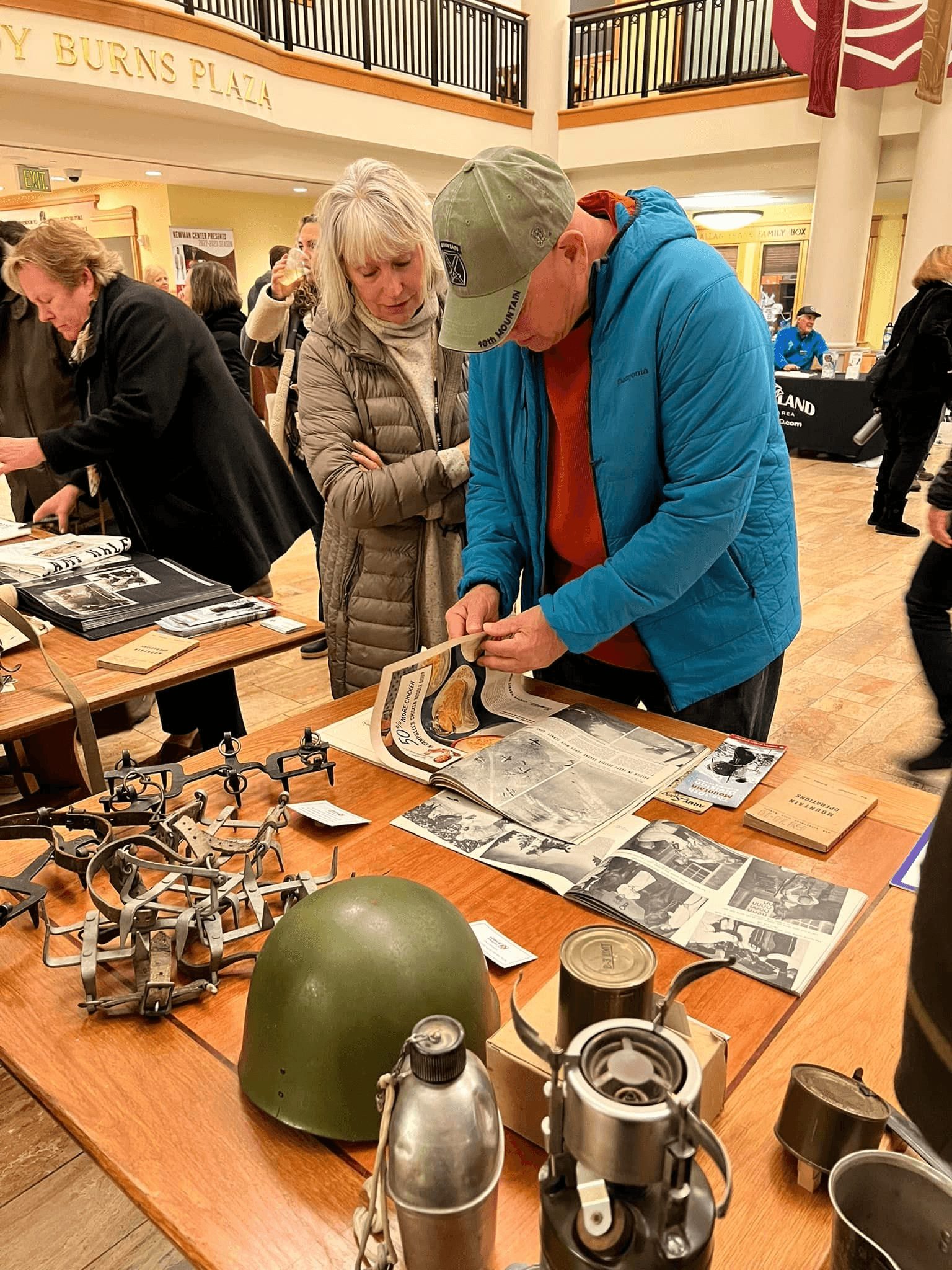
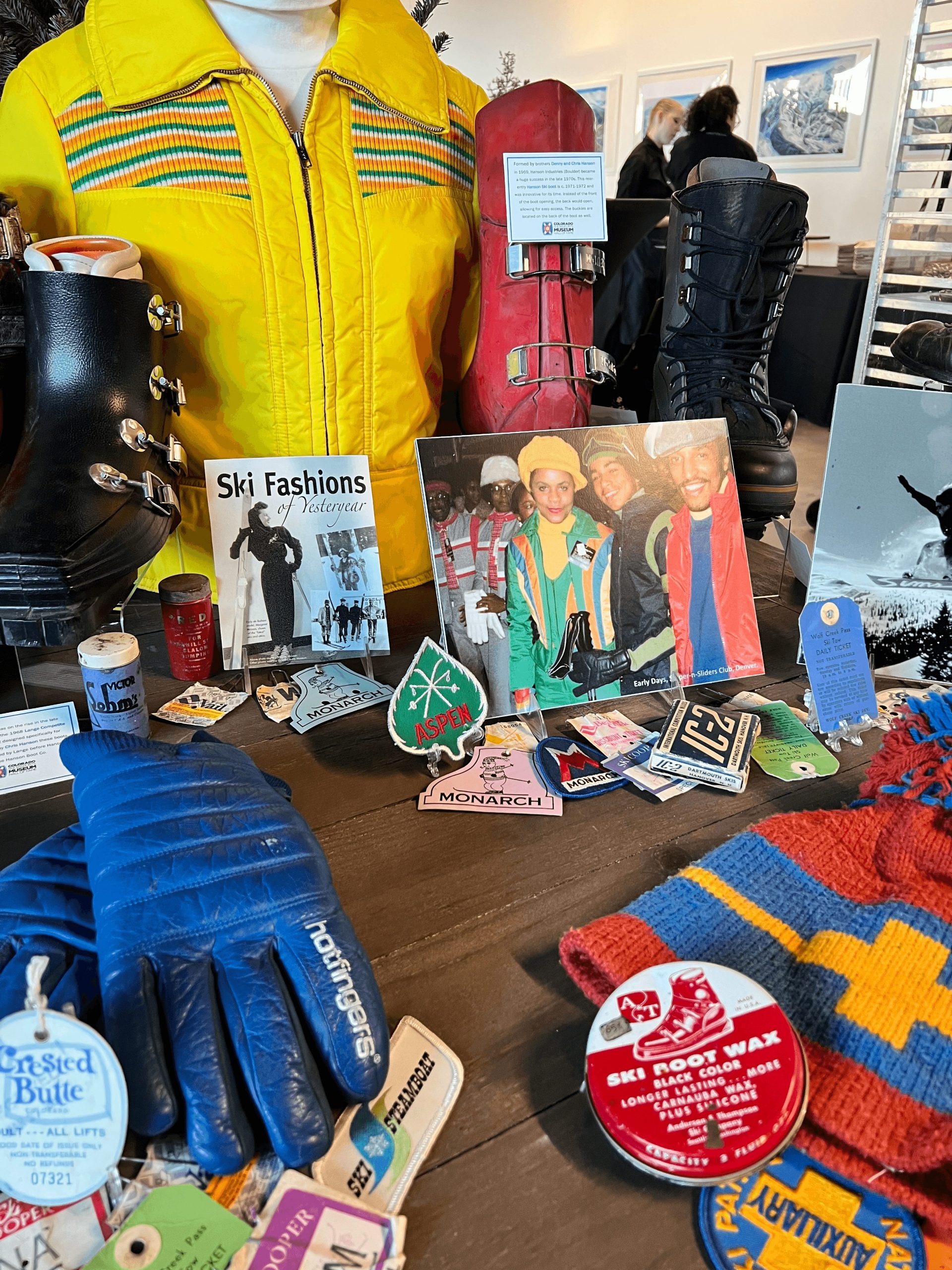
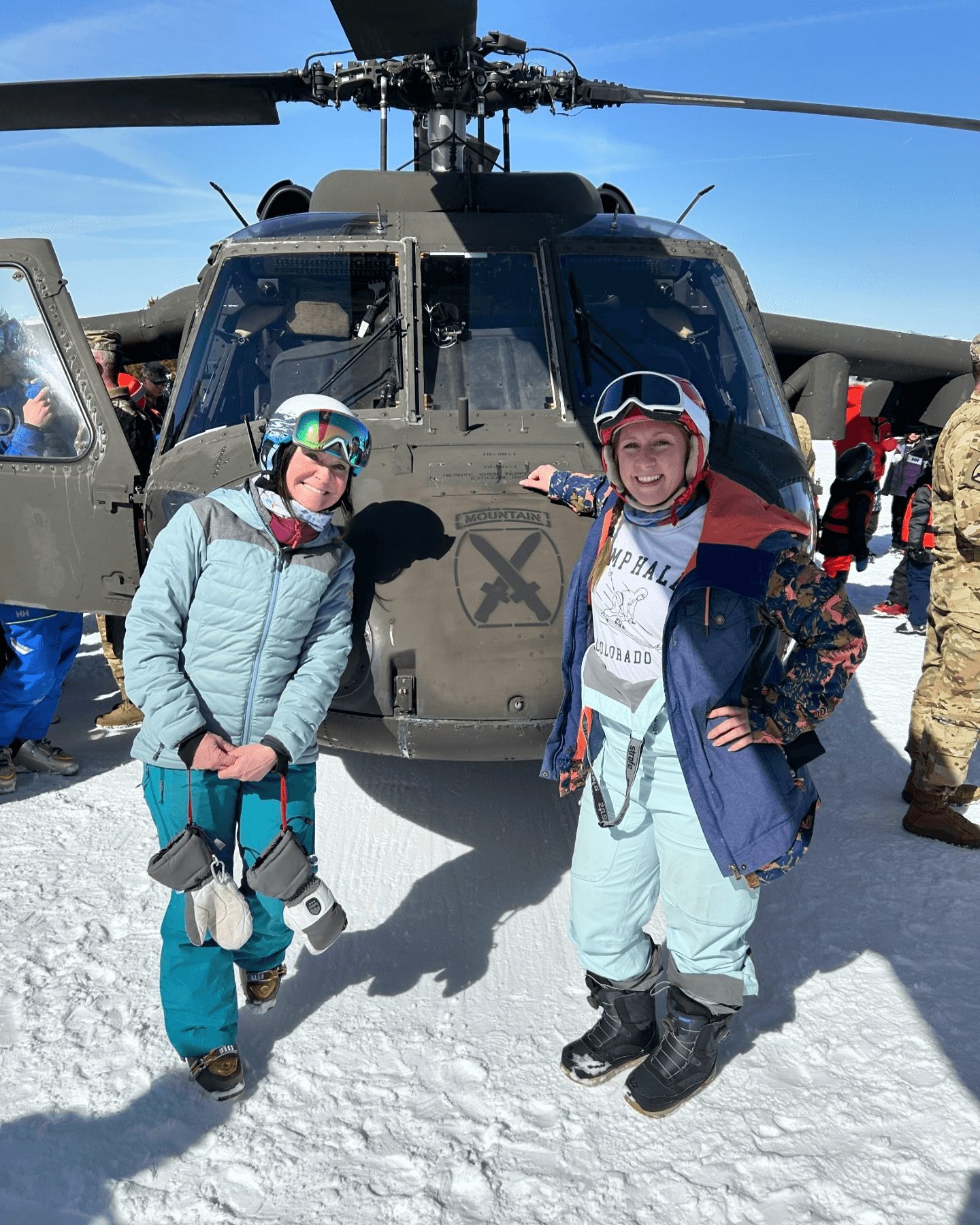
When I think of what I’m most proud of on the job, renovating the Colorado Snowsports Museum in 2018 and growing our social media platforms are easy answers, but I think what I’m truly proud of are the various off-site exhibitions we have been invited to curate over the years. We have been asked to create snow sports-themed displays for President Biden designating Camp Hale a National Monument, Colorado Governor Jared Polis on his inauguration night, Colorado Senator John Hickenlooper at the Governor’s Residence at the Boettcher Mansion, international museums, Vail Resorts, the National Ski Patrol’s Rocky Mountain conference, the Denver International and Eagle County airports, and more. It’s outreach like this that makes my job feel special knowing that the work that we do is reaching a greater audience. It’s always so moving to be able to use artifacts as a talking point and make connections with the public around our shared heritage. There’s so much more behind the artifacts. As a picture is worth a thousand words, I would like to say that an artifact is worth a thousand stories. Seeing this material culture instills priceless memories in our community.
In addition, I also had the pleasure of curating a book on behalf of the Colorado Snowsports Museum called “Skiing in Colorado.” Since October of 2023, the book has sold over 350 copies and was successful. I’m proud of this book because it allowed the museum to, again, reach a great audience. It also allowed us to share many of the snow sports stories we preserve in a published manner. Some of the photographs used in the book have also never been seen before or published. Getting them out there to the public was a great accomplishment. As someone who’s dedicated their life to preservation, it’s neat to think – hey, we preserved those photos this many years ago and because of that hard work, we’re able to publish and share them today. It gives great value to my work and inspires me to keep going.
Before we let you go, we’ve got to ask if you have any advice for those who are just starting out?
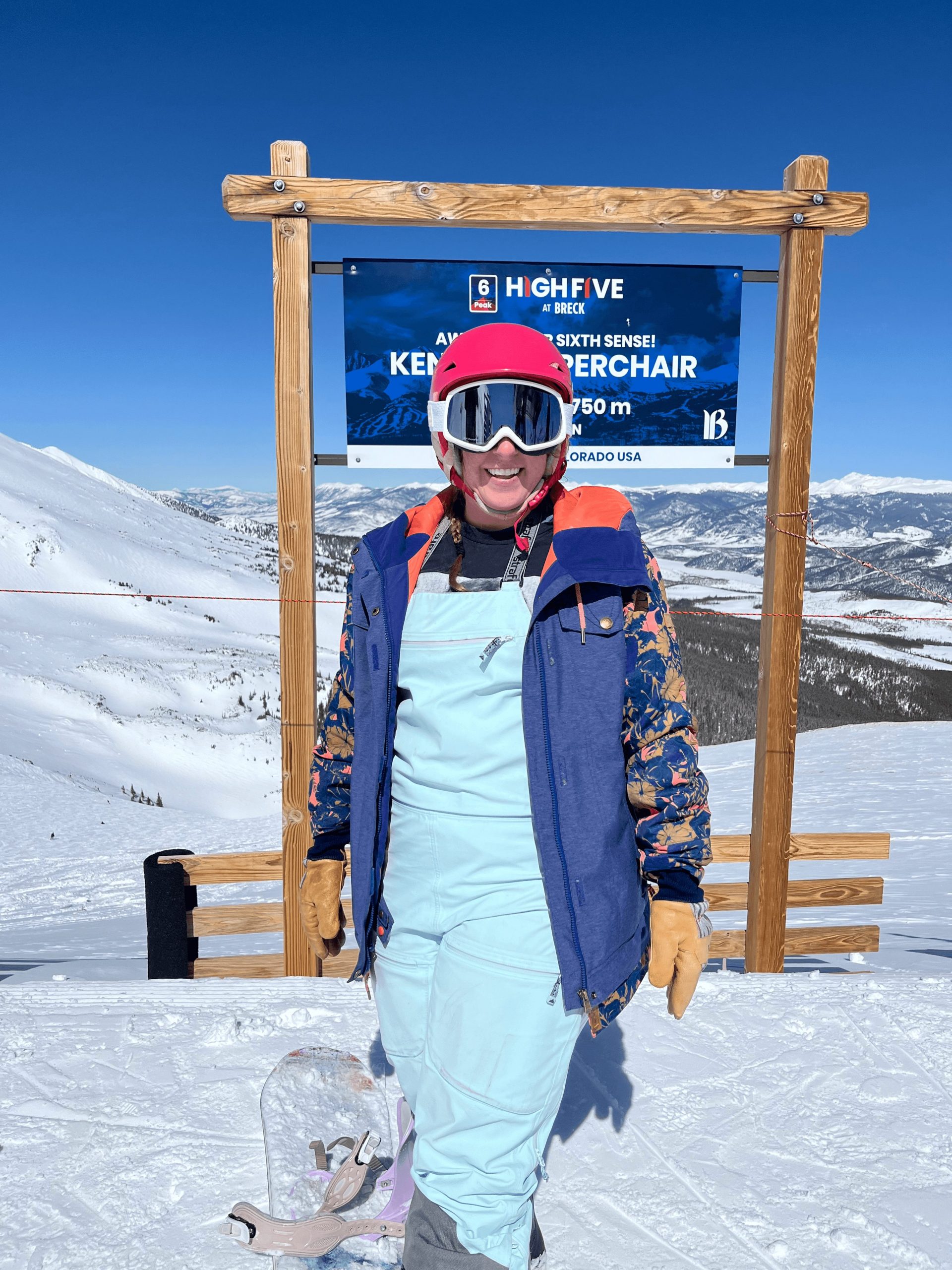
When I first started in the museum field, I was certain that you had to be an expert in whatever topic your museum covers. Although that is extremely helpful, I don’t think it’s absolutely necessary. I’m confident that I can fulfill my job because I am a museum professional first and a fairly strong researcher. Regardless of what artifacts you are preserving and sharing, you need to understand the best practices for artifacts to be successful. From there, you’ll get to know the history and the people who are experts in the field. You don’t build the narrative, the community does. As a Curator at the Colorado Snowsports Museum – on my first day on the job I had only snowboarded once – if that. This job turned me into someone who greatly appreciates snow sports and an avid snowboarder. Although I’m a mediocre rider at best, it’s given me great appreciation for the work that I do and the history we’re associated with. My job has made me understand that often indescribable feeling one gets from sliding on snow and that undeniable sense of freedom.
Contact Info:
- Website: https://www.snowsportsmuseum.org/
- Instagram: https://www.instagram.com/coloradosnowsportsmuseum/
- Facebook: https://www.facebook.com/ColoradoSnowsportsMuseum
- Linkedin: https://www.linkedin.com/in/dionisia-mathios-72847960/
- Twitter: https://twitter.com/COSnowsportsMus
- Youtube: UCqGBnZOa2xAc7QWeFLK8nog